Vancouver R1-1: Gentle Density & Missing Middle Housing
Vancouver's R1-1 zoning—its local expression of BC's SSMUH (Small-Scale Multi-Unit Housing) mandate—enables gentle density development through duplexes, triplexes, and multiplexes. Review the Low Density Housing Options guide to understand R1-1 eligibility, permitting, and timelines.
Vancouver's R1-1 zoning district allows most former single-family lots to build 3 to 6 strata units, or up to 8 secured rental units, as-of-right — no rezoning, no public hearing. The minimum frontage is 10 m (33 ft) for 3–4 units, 13.4 m (44 ft) for 4–5 units, and 15.1 m (49.5 ft) for the maximum 6 strata or 8 rental units. Base FSR is 1.0, rising to 1.25 with a net-zero energy design — the extra 19% is exempt from density bonus contributions. Over 518 multiplex applications have been filed across R1-1 zones since the bylaw took effect in 2024. Source: City of Vancouver R1-1 zoning bylaw, 2024; Shape Your City — Multiplexes data, 2026; VanPlex project database, 2026.
Vancouver R1-1 at a glance (2026)
- ✓ 3–4 units: 10 m (33 ft) minimum frontage
- ✓ 4–5 units: 13.4 m (44 ft) minimum frontage
- ✓ 6 strata or 8 rental: 15.1 m (49.5 ft) minimum frontage
- ✓ Base FSR 1.0 → 1.25 with net-zero design (19% bonus exempt from density contribution)
- ✓ 518+ multiplex applications filed as of June 2026
- ✓ No public hearing required for R1-1 as-of-right multiplex
R1-1 multiplex activity update — June 2026
City data confirms that multiplex is now the dominant application type in Vancouver's R1-1 zone. Through early 2026, approximately 518 multiplex applications have been filed, representing roughly 2,200 new dwelling units. During 2024, multiplexes accounted for about half of all R1-1 applications, with duplexes at around 30 percent and single detached houses at roughly 20 percent.
Source: Shape Your City — Multiplexes | City of Vancouver memo to Mayor & Council, May 29, 2025
Applications filed
518+
Multiplex applications filed in R1-1 zones through early 2026.
Dwelling units represented
~2,200
Total new dwelling units across all accepted multiplex applications.
Share of R1-1 applications (2024)
~50%
Multiplex became the predominant application type in R1-1, surpassing duplexes (~30%) and detached houses (~20%).
R1-1 housing options at a glance
- Multiplex: Up to 6 strata-titled units, or up to 8 rental units on a single lot.
- Duplex: Two principal dwellings, with secondary suites and lock-off units permitted.
- Single detached house: One principal dwelling with secondary suites and a laneway house.
Bill 25 does not apply to R1-1
Vancouver's R1-1 already permits up to 8 units per lot (6 strata, 8 rental) and is not classified as a restricted zone under the Province's Bill 25 legislation. The June 30, 2026 compliance deadline that applies to municipalities with more restrictive zoning does not affect R1-1 properties.
Source: City of Vancouver — Provincial Housing Legislation | R1-1 District Schedule (PDF)
What is a multiplex in Vancouver?
A multiplex in Vancouver is a building with 3–8 dwelling units on a single lot, permitted by right under the City's R1-1 zoning district. Under BC's Bill 44 (in force 2024), Vancouver R1-1 lots can build up to 6 strata-titled units or up to 8 secured rental units without rezoning or a public hearing. Each unit is fully self-contained with a separate entrance, kitchen, and living space.
What is the difference between a multiplex and a duplex in Vancouver?
A duplex has two units on one lot. A multiplex has 3–8 units on one lot. Both are permitted by right in Vancouver's R1-1 zone. The financial difference is significant: a 4-to-6-unit multiplex typically generates $1–2M in net equity because each strata unit sells individually at market rate, while a duplex conversion typically returns $200–400K. For lots with 44+ feet of frontage, a multiplex nearly always outperforms a duplex.
What are the Vancouver multiplex zoning rules in 2026?
Vancouver's R1-1 zone allows multiplexes by right on most former single-family lots. The rules: minimum 10 m (33 ft) frontage for 3–4 units; 13.4 m (44 ft) for 4–5 units; 15.1 m (49.5 ft) for 6 strata or 8 rental units. Base FSR is 0.70–1.0, rising to 1.25 with a net-zero construction commitment. No neighbourhood notification is required. Bill 25 compliance does not apply to R1-1 — Vancouver was already compliant in 2023.
2026 update
City of Vancouver Low Density Housing Options Guide
The City’s guide decodes how multiplex, single-detached, duplex, and laneway projects are reviewed in low-density districts. It complements (not replaces) the Zoning & Development By-law—use it to scope eligibility, avoid redesigns, and brief your consultants before we file.
Applies To
New construction multiplex (R1-1, RT-7, RT-9), single-detached + suite, duplex + suite/lock-off, and laneway houses.
Use With
City by-laws, Vancouver Building By-law (VBBL), and site-specific survey/arborist/servicing checks.
Project Playbook
We align design teams, secure permits, and build—this guide keeps owners informed on the rules we’re executing against.
1. Permitting Process
Start by confirming site eligibility (multiplex, detached, duplex, or laneway), reviewing utilities, trees, easements, and assembling drawings and studies. The guide reinforces that development and building submissions move faster when survey, arborist, servicing confirmation, and consultant scope are coordinated ahead of time.
Separate DP/BP (House, Duplex, Laneway)
- • File Development Permit (DP) first; wait for Prior-to conditions before applying for Building Permit (BP).
- • Multiplex is typically reviewed under VBBL Part 9 (Group C) with Part 3 triggers on complex layouts.
- • Expect staff review and deficiency loops at both DP and BP stages.
- • Fees: multiplex DP category 2(a) + separate BP based on construction value.
Neighbourhood notification is not required for R1-1, RT-7, or RT-9 multiplex applications.
Separate DP + BP (Multiplex)
- • Single submission covers development + building; City issues deficiency list before final issuance.
- • Align scope with Development Permit Checklists and confirm fees (Development + Building Permit schedules).
- • Tree retention, servicing upgrades, housing agreements, and BC Housing registration may add conditions.
- • Engineering reviews elevation without City Building Grades for R1-1, RT-7, RT-9—height is measured from surveyed base surface.
Pre-Application Checklist
- • Confirm site eligibility, frontage, depth, and floodplain status.
- • Order legal survey with trees, utilities, easements, and power assets mapped.
- • Engage arborist, structural, geotechnical, mechanical, electrical, and envelope consultants as required.
- • Schedule Development & Building Services Centre submission once drawings and studies align.
2. Site Analysis & Requirements
Early site planning protects trees, right-sizes servicing, and avoids redesigns once you reach permit review. The guide dedicates significant space to tree retention, transformer needs, and rainwater management—core reasons projects can stall.
Tree Protection
- • Preserve healthy trees on site, City property, and neighbouring lots—diameter ≥ 20 cm measured 1.4 m above grade triggers protection.
- • Multiplex: front-yard retention mandatory; consider rear retention on deep lots (>41 m).
- • Houses/Duplexes: retain front and rear yard trees; removal within buildable footprint needs Landscape review.
- • Laneway homes: removal permitted inside buildable footprint, but provide replacements under Protection of Trees By-law.
Fence footings should be point supports; all utility connections must avoid critical root zones.
New Planting & Neighbour Trees
- • Front yard tree planting: one new tree if frontage <15.24 m (50 ft.), two trees if ≥ 15.24 m.
- • Multiplex courtyard planting encouraged; rare hardship may reduce count.
- • Neighbouring trees: include consent letter if removal required or arborist strategy for protection.
- • Tree location clearances: ≥1.0 m from side property line/accessory structures, ≥1.5 m from buildings, ≥2.5 m from boulevard trees.
Reports & Permits
- • ISA Certified Arborist report is typically required (site + adjacent trees); include Letter of Assurance when working in critical root zones.
- • Most projects need sewer and water permits before finalizing detention design.
- • Tree removal always requires a City tree permit.
- • Show new trees, retained canopies, and protection barriers on site plan if no formal landscape plan is required.
Electrical Transformer Capacity
- • Projects with more than three units must reserve a 3.6 m × 3.6 m space for a BC Hydro transformer until exemption is received.
- • Contact BC Hydro Design Connections before DP submission; include exemption letter if overhead service is allowed.
- • Maintain 6.0 m radius clearance from existing pole-mounted transformers; add non-combustible barriers when clearances are tight.
- • Electric rooms (for PMT/LPT) can use the 3.7 m²/unit mechanical space FSR exclusion.
Rainwater Management (Effective July 1, 2025)
New projects up to 1.0 FSR on sites ≤1,000 m² require detention tanks. Determine location near the sewer connection (typically front), favour gravity drainage, and secure sewer permits early.
| Site Area | Active Storage | Orifice Diameter |
|---|---|---|
| ≤ 400 m² | 3,400 L | 30 mm |
| 400.1 – 500 m² | 3,900 L | 35 mm |
| 500.1 – 750 m² | 4,600 L | 45 mm |
| 751.1 – 1,000 m² | 7,200 L | 50 mm |
If excavation is not feasible (archaeology, artesian water, contamination, geotechnical limits), applicants can request an exemption from the Chief Building Official.
3. Multiple-Dwelling (“Multiplex”)
Multiplex projects unlock up to 1.0 FSR on single lots when site width, depth, and servicing align. The guide outlines minimum unit counts, frontage rules, and design moves that keep projects Part 9 wherever possible.
Unit Counts & Eligibility
R1-1 Minimums
- • 10.0 m frontage / 306 m² → 3–4 units
- • 13.4 m frontage / 464 m² → 4–5 units
- • 15.1 m frontage / 557 m² → 4–6 (or 8 secured rental)
RT-7 / RT-9 Maximums
- • <280 m² → up to 3 units
- • ≥280 m² → up to 6 units (8 for secured rental)
Site frontage and area both must meet thresholds—no relaxations. Lanes (open or dedicated) or double-fronting access is required.
Density & Tenure
- • Base FSR 0.70 + bonus 0.30 (with contribution) = 1.0 maximum.
- • Three paths: cash density bonus (strata), below-market ownership (future program), or secured market rental (all units).
- • Bonus density charges tie to frontage; irregular lots use averaged frontage.
- • Rental projects secure tenure via housing agreement; one unit may host owner occupancy.
Parking & Mobility
- • No minimum parking requirement; 2 stalls typical on 10 m lots, 4 on 15.1 m lots.
- • Stalls must sit at rear (lane access) and be open on two sides to stay out of FSR.
- • Accessible stall encouraged; EV-ready outlets (240 V, 15 A minimum, load sharing allowed).
- • Bicycle parking permitted under stairs or in sheds ≤24 m²; no courtyard bike clutter.
Design Essentials
- • Building depth ≤19.8 m; width ≤17.4 m; courtyard separation ≥6.1 m on deep sites.
- • Provide ground-oriented entries; side-yard paths must be ≥1.2 m clear (fire access ≤45 m).
- • Rooftop decks allowed on front building; rear building decks not permitted.
- • Internalized entry stairs can claim up to 7.4 m² FSR exclusion per affected unit.
- • Aim for family-sized units (2+ bedrooms); follow minimum mix per unit count.
Heritage, Character & Floodplain Checks
Multiplex is not permitted on designated heritage properties or within floodplains. Character homes may pursue retention incentives (multiple conversion dwelling + infill) instead—ask us to vet these paths before committing to demolition and rebuild.
4. Single Detached House & Duplex
Detached and duplex projects still benefit from the guide—especially when balancing secondary suites, lock-off units, lane dedications, and permeability caps.
Key Regulations
- • Accessory buildings (garage/carport) max 48 m²; additional parking must be surface and permeable.
- • Main entries should face the street; covered entry per unit ≥1.8 m × 1.8 m.
- • Height envelope supports up to 2.5 storeys; basements optional—fully above-grade builds boost accessibility and carbon performance.
- • Side yards can be relaxed minimally for renovations; front/exterior side fences capped at 1.2 m.
Suites & Lock-Off Units
- • Secondary suites ≥37 m²; one per house or per duplex unit; typically trigger one parking stall per suite.
- • Lock-off units (duplex only, R1-1) range 26–29.7 m², require interior connection, and do not add parking requirements.
- • Sunken patios allowed if basement floor ≤1.2 m below grade; terrace planters to avoid guardrails.
- • Address suites subordinate to principal unit number unless corner/double-fronting warrants separate numbering.
Design Notes
- • Break up wide facades with varied roof forms; inset balconies (≤1.8 m deep) are excluded from FSR.
- • Driveway landscape setbacks: ≥1.0 m on wide sites, 0.6 m on mid-width, vine strategy acceptable up to 12.2 m frontage.
- • Site coverage and permeability caps still apply—document reductions if existing conditions exceed limits.
- • Lane dedications or building lines may shift yard calculations; setbacks measured from ultimate property line.
5. Laneway House
Laneway homes add gentle density behind single-detached dwellings—while sharing many of the same servicing and tree rules as multiplex.
Eligibility & Siting
- • Requires open/dedicated lane, corner with lane, or double-fronting lot.
- • Minimum lot width 7.3 m at lane; maintain 4.9 m courtyard between main house and LWH.
- • Firefighter access path from street must be ≥0.9 m clear with slip-resistant surface.
- • Side yard setbacks 1.2 m typical; lane setback 0.9 m (respect dedications for narrow lanes).
Design & Servicing
- • Optional parking located under second level, as surface stalls, or within a garage (counts toward FSR).
- • Max height 8.5 m; rooftop decks not permitted; provide at least 3.7 m² private outdoor space.
- • No secondary suites or lock-off units within LWH.
- • Maintain transformer clearance; place refuse away from amenity space but with lane access.
Liveability Checklist
- • Provide one shared living space ≥16.7 m² (180 sq ft).
- • Ensure at least one bedroom ≥8.5 m² with 2.1 m clear dimension (except studio layouts).
- • Use plantings along lane edges; keep fences ≤1.2 m and behind landscape strip.
6. Subdivision & Additional Resources
Sites that meet Schedule A of the Subdivision By-law can pursue lot splits; each resulting parcel must independently satisfy multiplex or laneway eligibility. Conversions to strata typically need City review only when buildings are previously occupied.
When to Engage the Subdivision & Strata Group
- • Considering parcel splits or tied-lot separations.
- • Seeking relaxations on widths/areas due to block context.
- • Converting existing buildings to strata tenure.
Email [email protected] for preliminary review.
Costs & Timelines (2026 Benchmarks)
Every lot is different, but our Vancouver dataset shows the following bands once servicing, design scope, and product mix are accounted for. Your address-based plan replaces these benchmarks with numbers tuned to frontage, slope, tree protection, and market positioning.
Duplex
$1.45M – $1.75M
Hard + soft cost band for a 2,800–3,200 sq ft build on a standard 33'×122' lot.
Fourplex
$1.85M – $2.40M
Typical for four 1,200 sq ft homes with lane home or stacked options, inclusive of escalation contingency.
Sixplex (FTNA)
$2.45M – $3.05M
Assumes Frequent Transit Network allowances with enhanced energy package. No elevator permitted in this form.
Preconstruction Planning
Survey, soils, concept design, development permit set, and all permitting managed by VanPlex.
Typical duration: 4–6 months (FTNA adds ≈1 month for design panel).
Construction
VanPlex GC/CM delivery with coordinated trades, open-book cost control, and phased occupancy turnover.
Typical duration: 13–18 months depending on product mix.
Want a detailed breakdown of DCLs, DCCs, permit fees, and servicing charges for your lot? Use our Vancouver Development Cost Calculator to estimate city fees before you commit.
Information is advisory; not legal, permitting, or zoning approval. Pricing assumes 2026 material rates and labour availability.
Recent Multiplex Plan
Case Study
Kitsilano Fourplex + Laneway Plan
A homeowner entered their Kitsilano address and received feasibility, profit, and budget ranges in minutes. The plan highlighted servicing upgrades, suggested a fourplex + lane home configuration, and sequenced partner handoffs so construction could start within four months of permit issuance.
Explore by neighbourhood
Vancouver Neighbourhood Guides
Deep-dive into multiplex development potential across all 29 Vancouver neighbourhoods. Each guide includes zoning analysis, land values, ROE estimates, and local market insights.
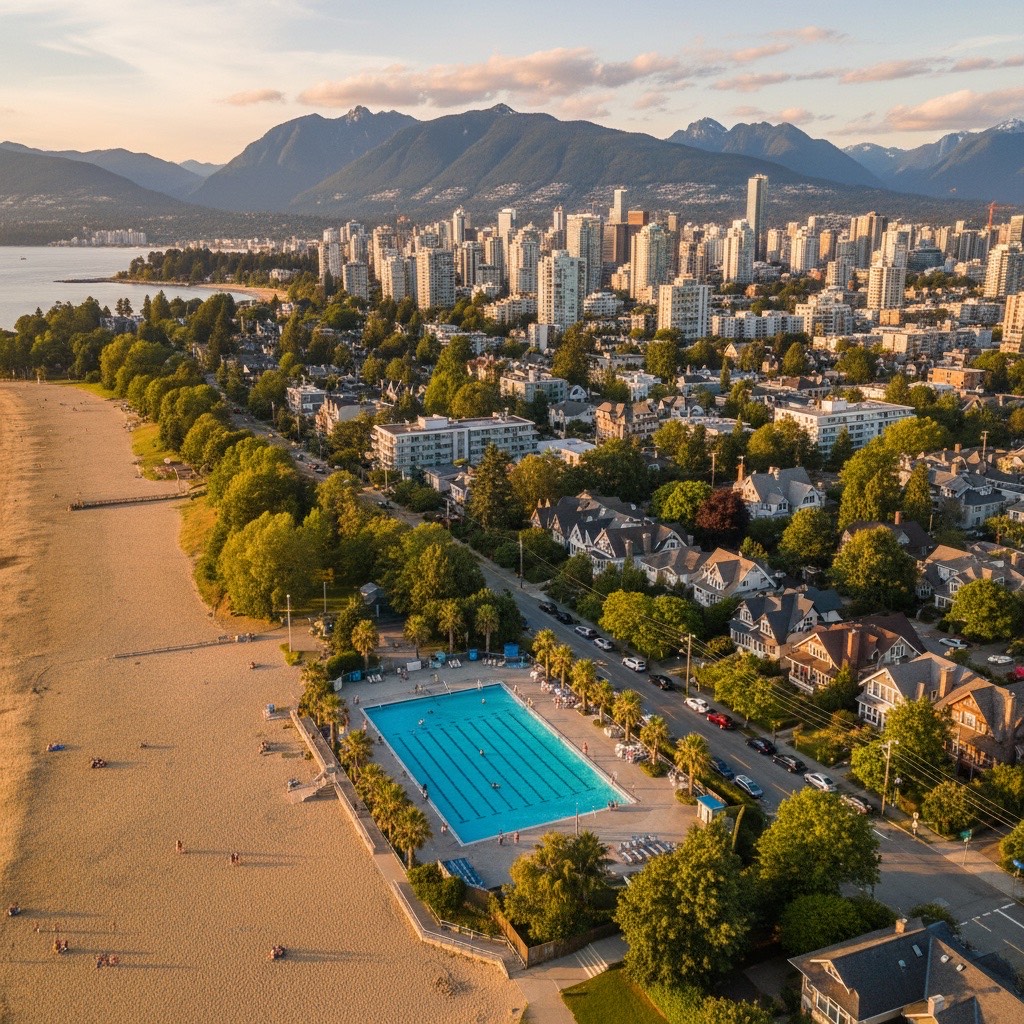
Kitsilano
Beach lifestyle & vibrant community
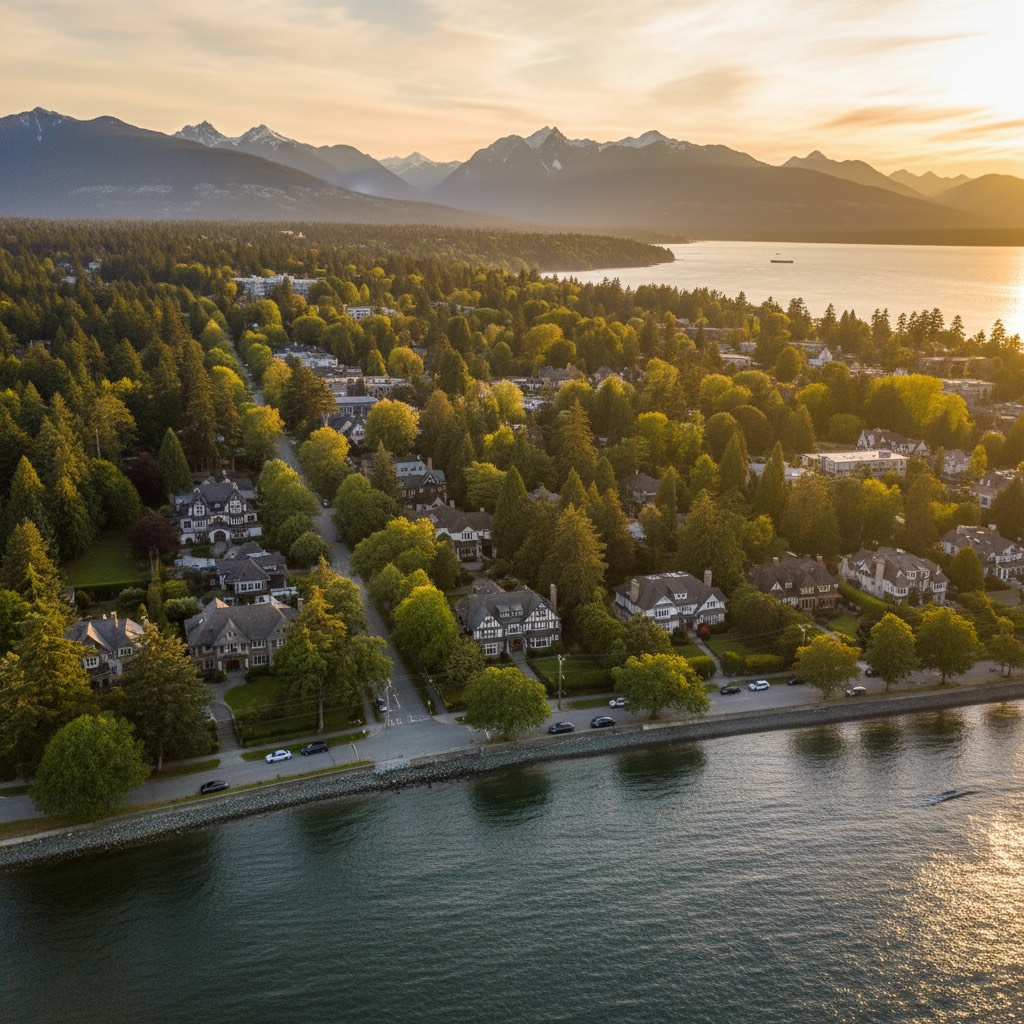
Point Grey
UBC proximity & prestigious address
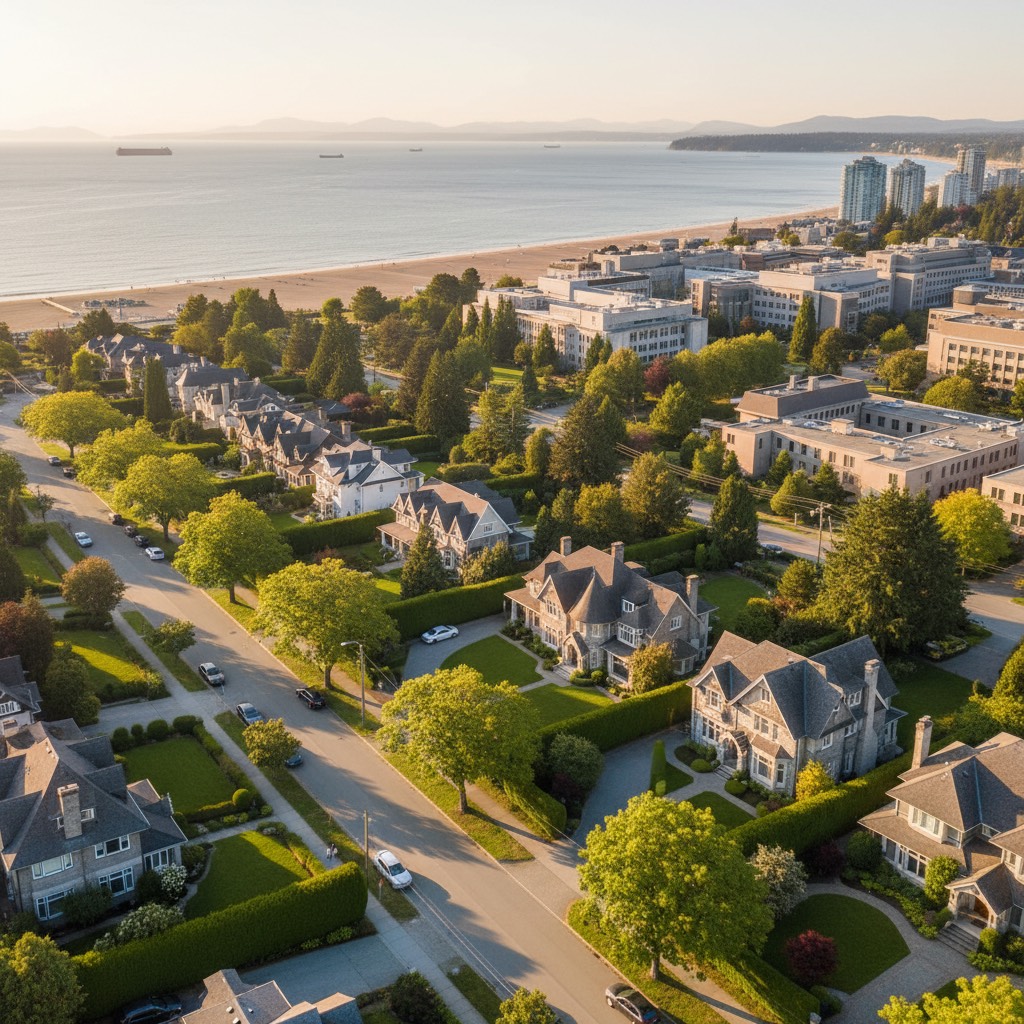
West Point Grey
Ocean views & top schools
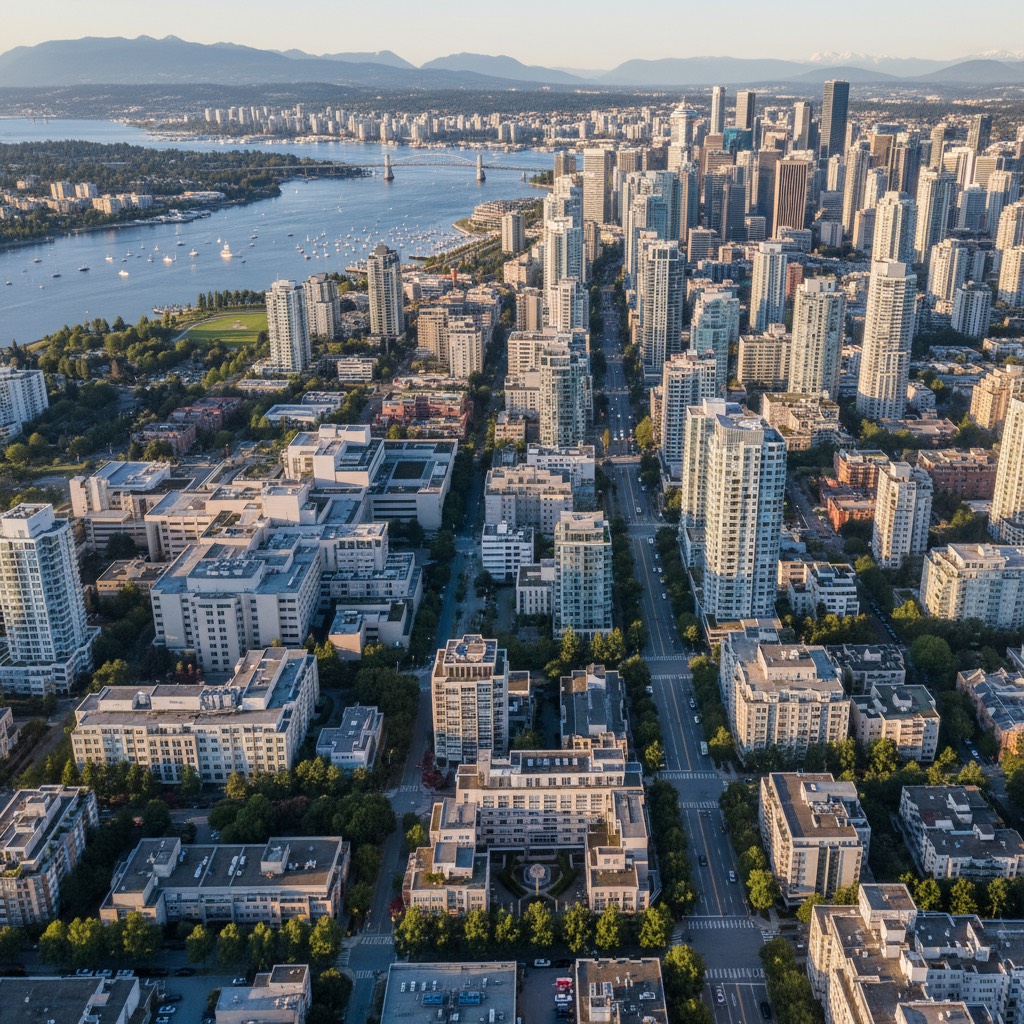
Fairview
Broadway Subway & healthcare hub
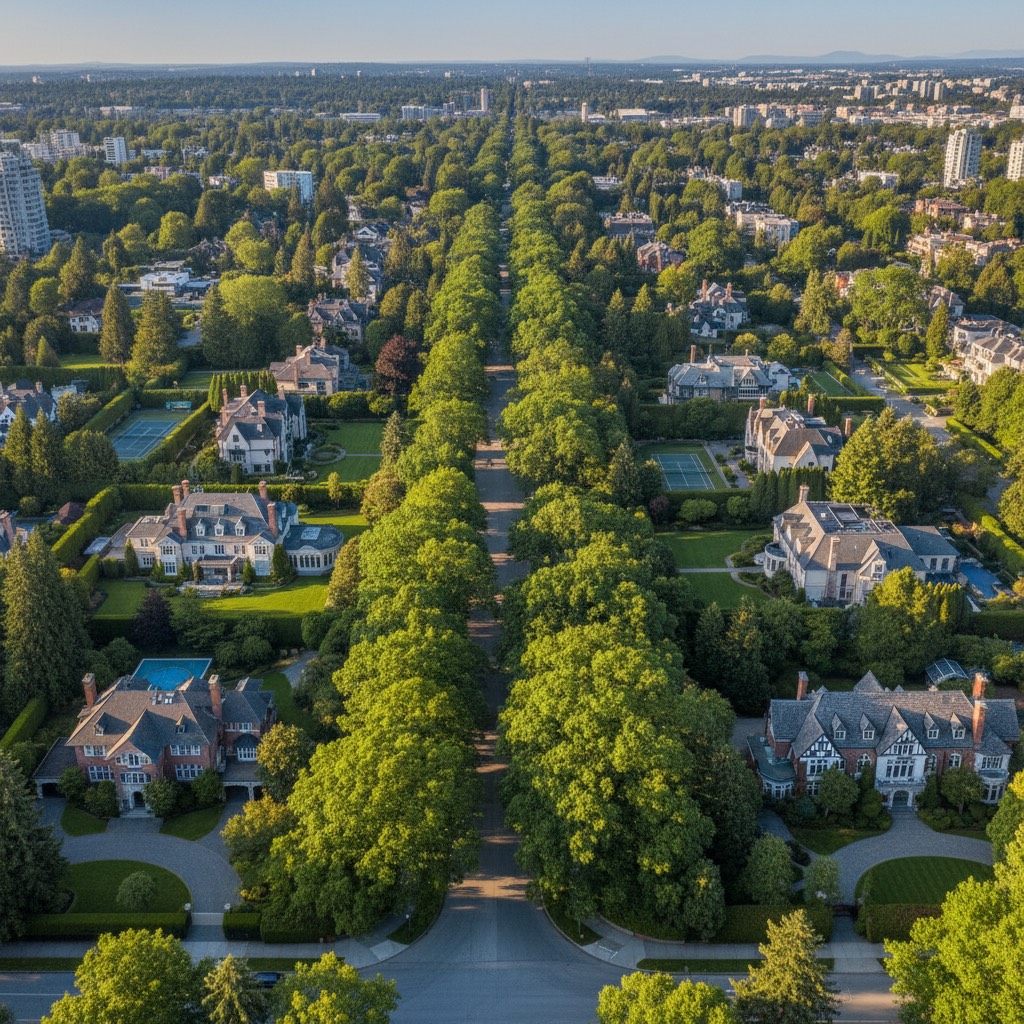
Shaughnessy
Heritage estates & tree-lined streets
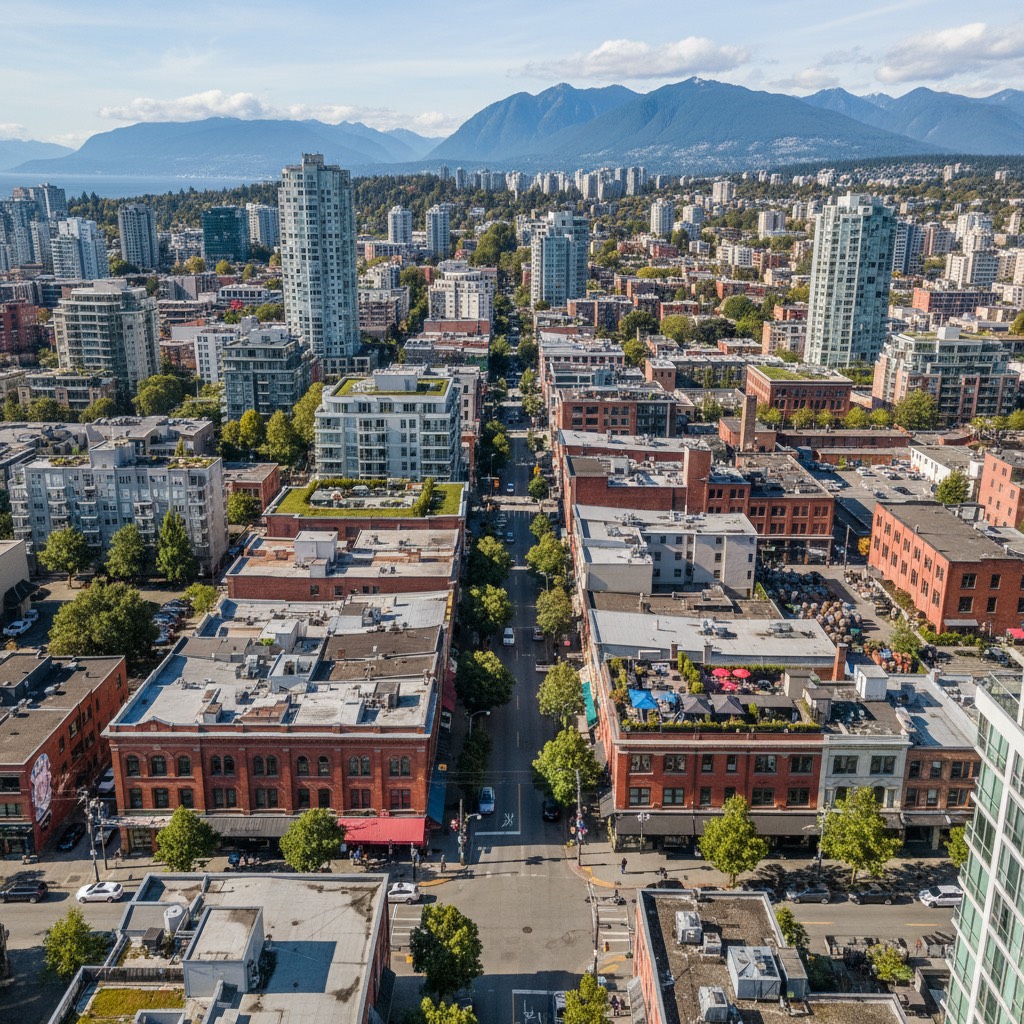
Mount Pleasant
Trendy cafes & creative energy
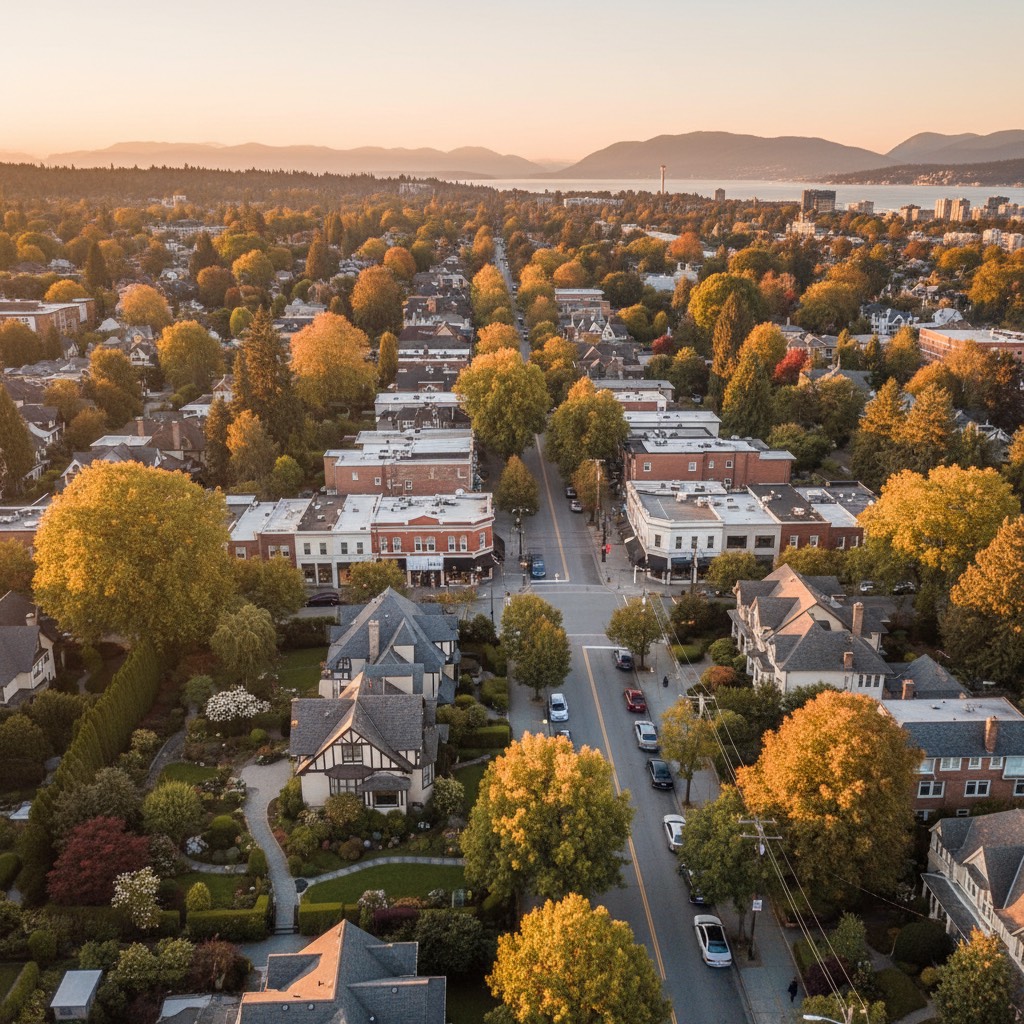
Kerrisdale
Village charm & family-friendly
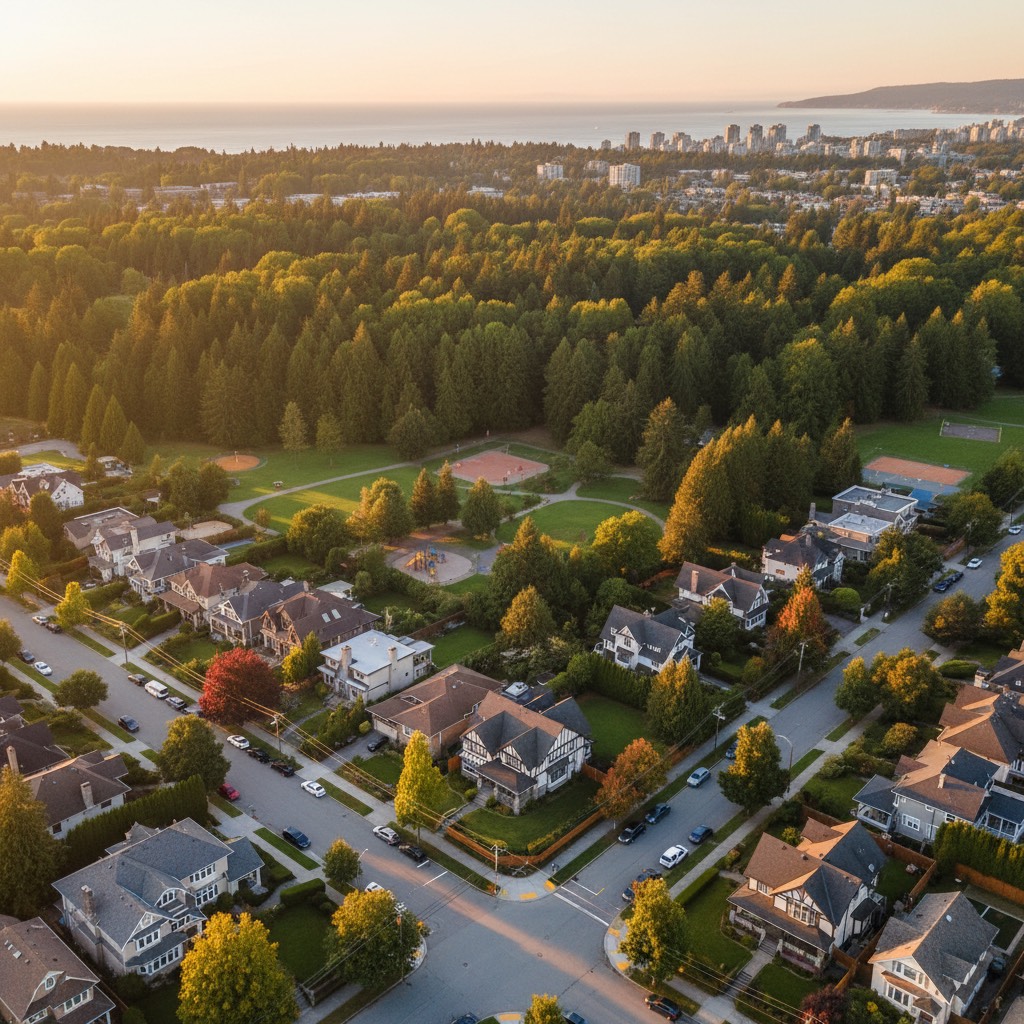
Dunbar-Southlands
Pacific Spirit Park access
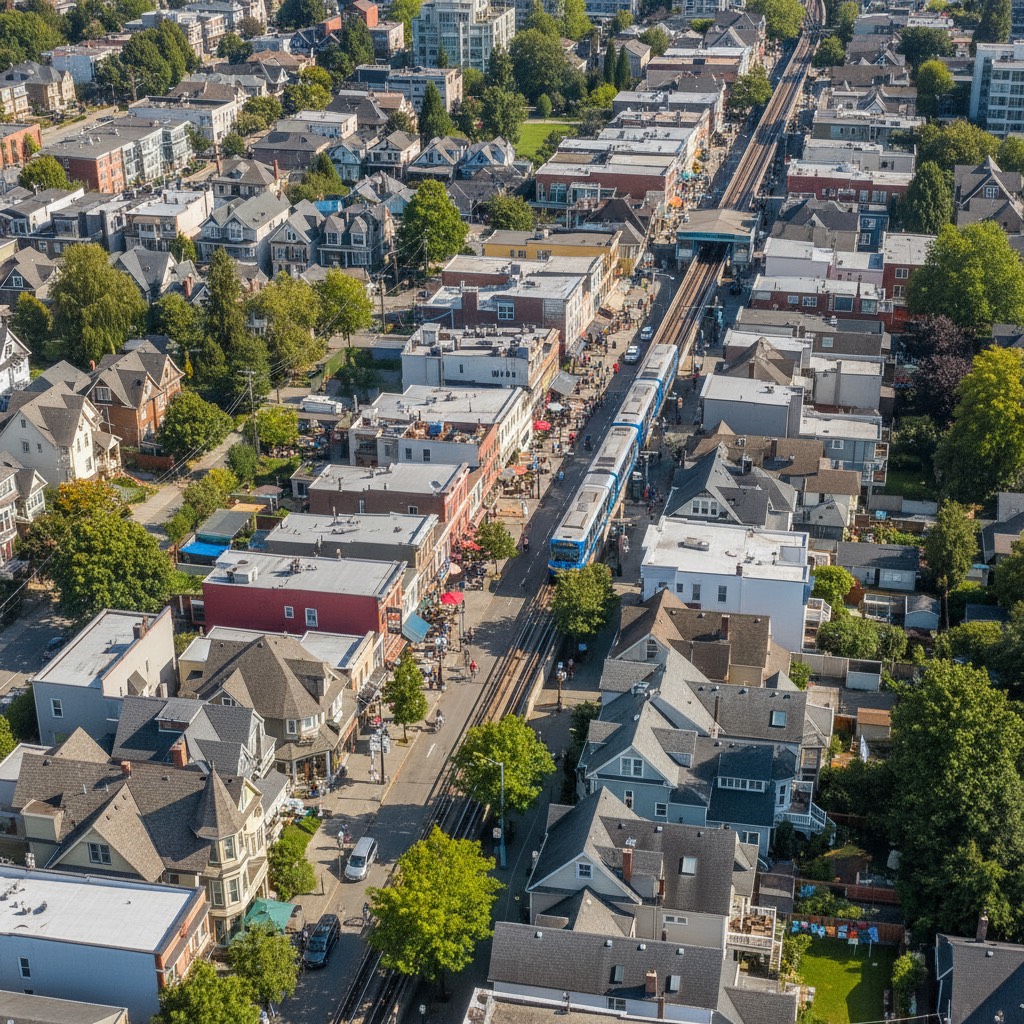
Grandview-Woodland
The Drive culture & character
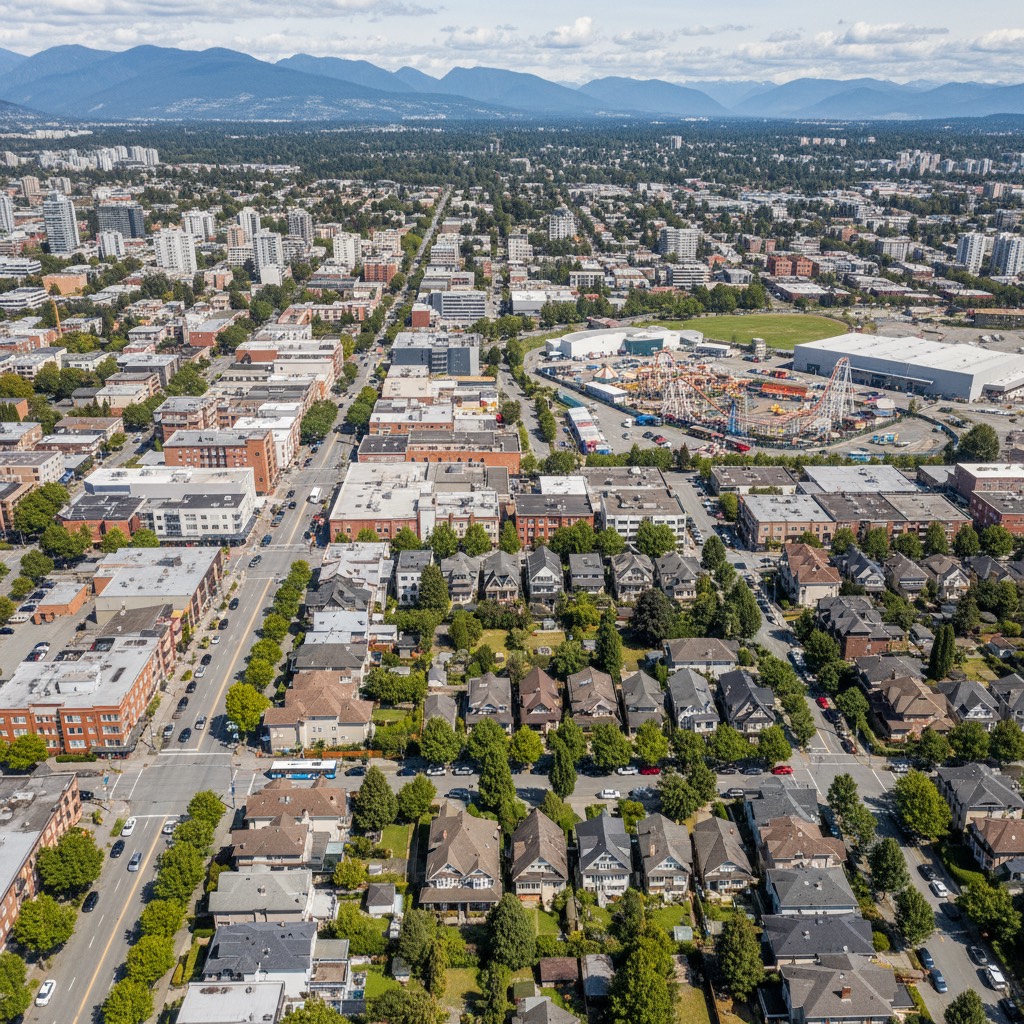
Hastings-Sunrise
Emerging & affordable
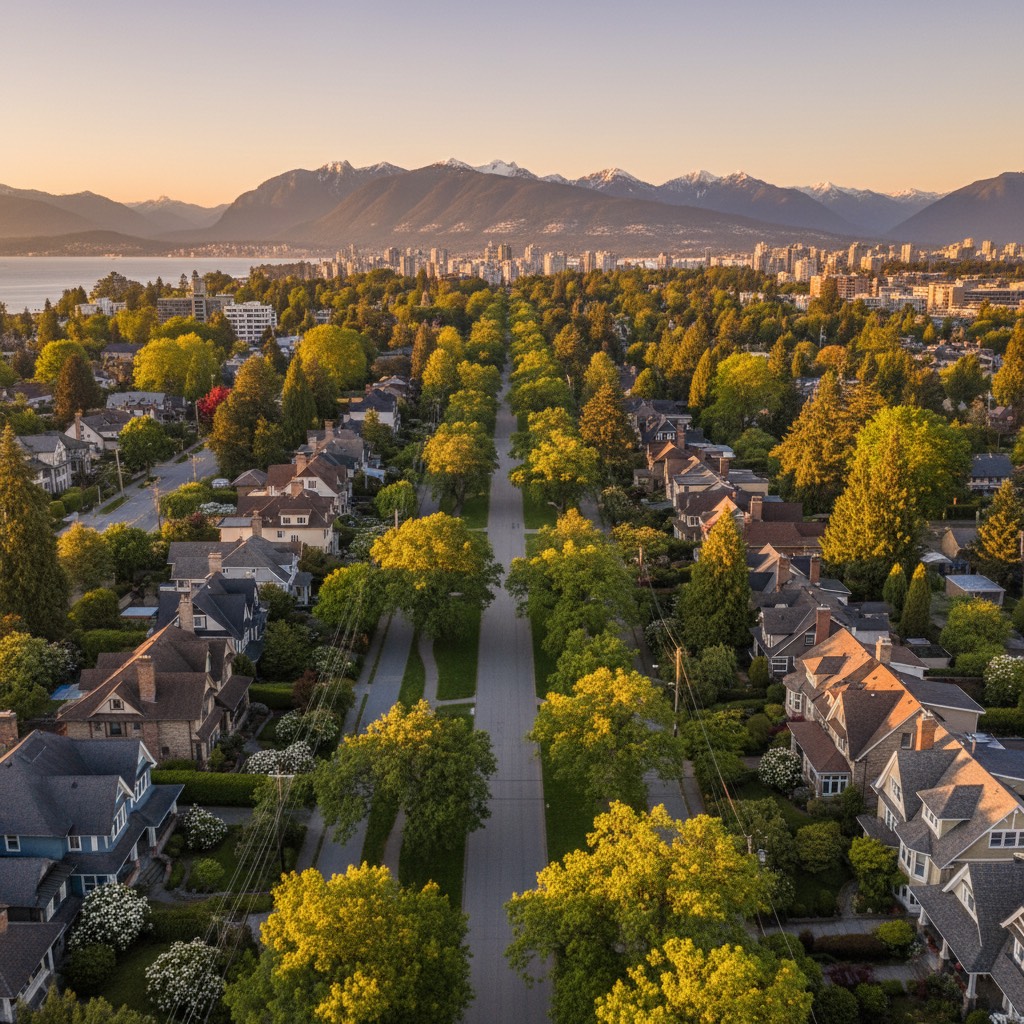
Arbutus Ridge
Greenway corridor & West Side
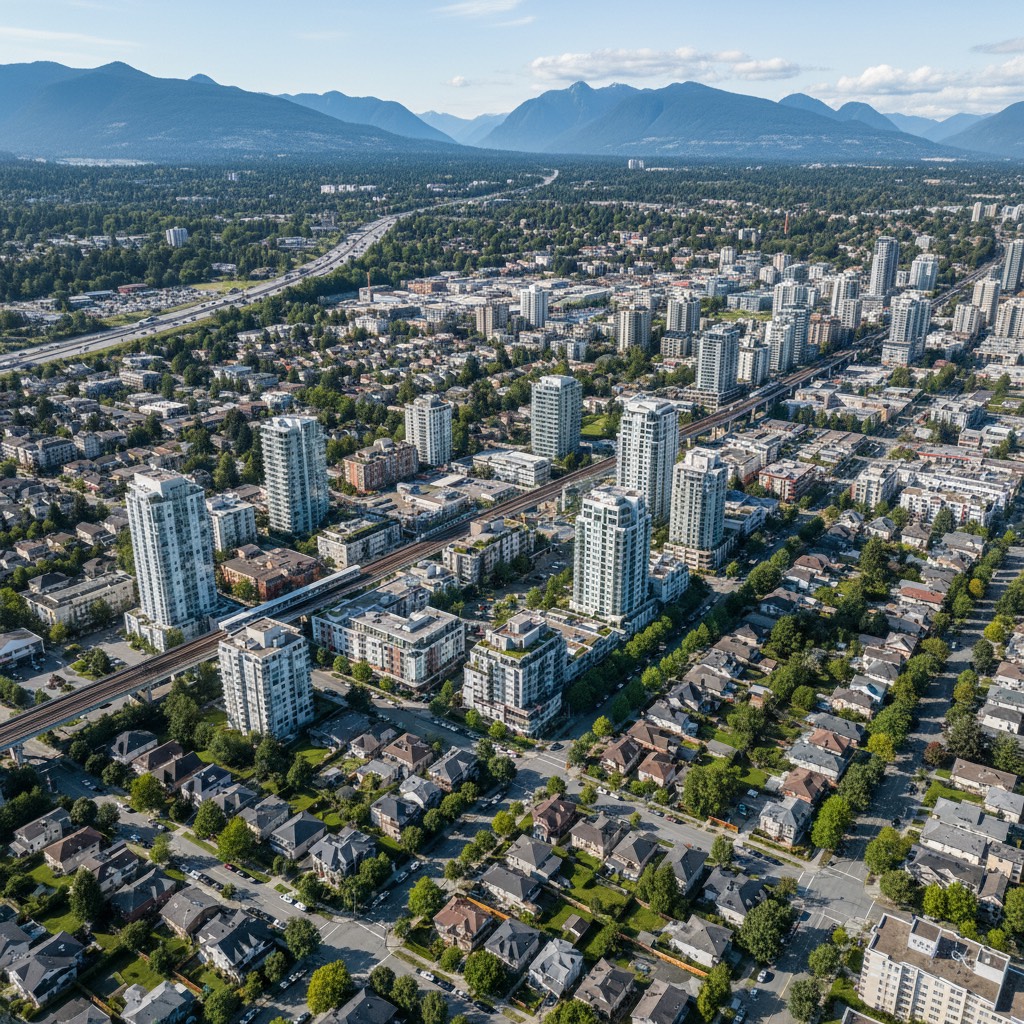
Renfrew-Collingwood
SkyTrain connected & diverse
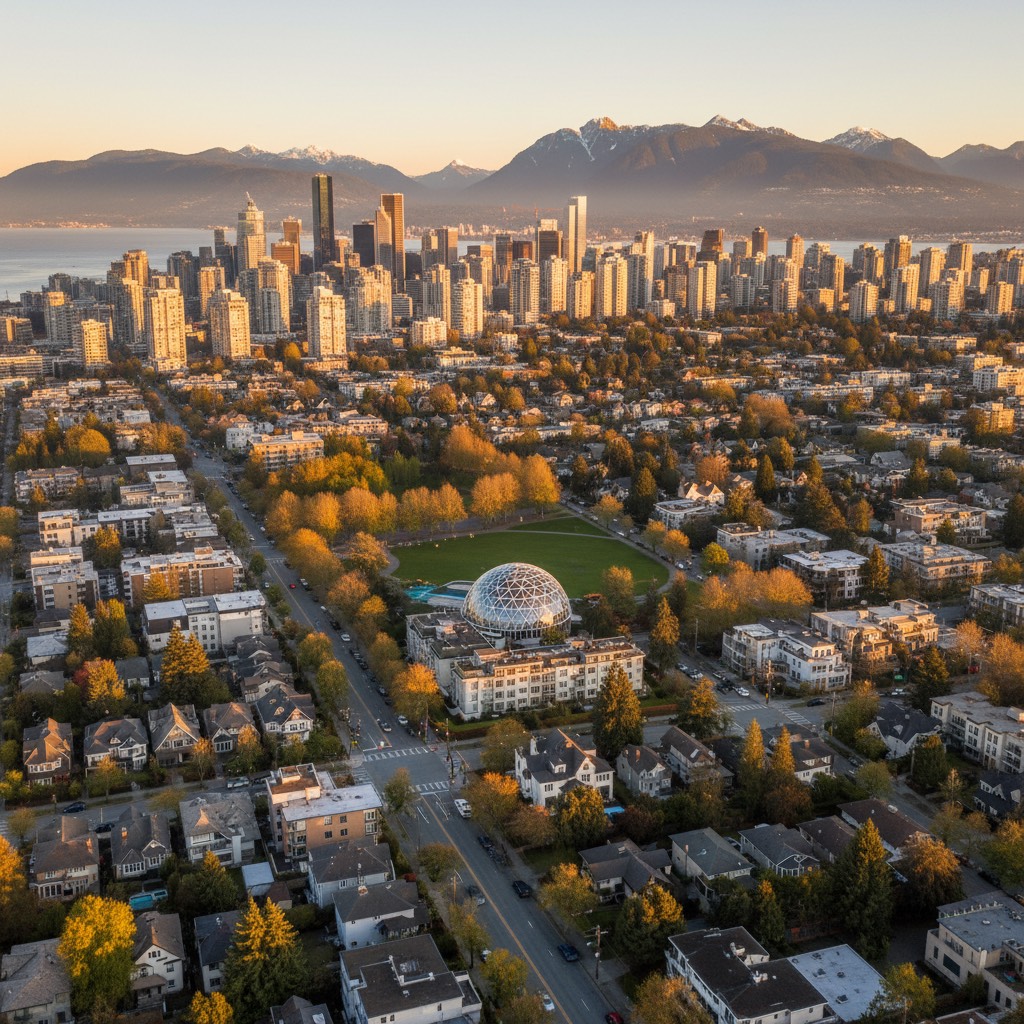
Riley Park
Queen Elizabeth Park views
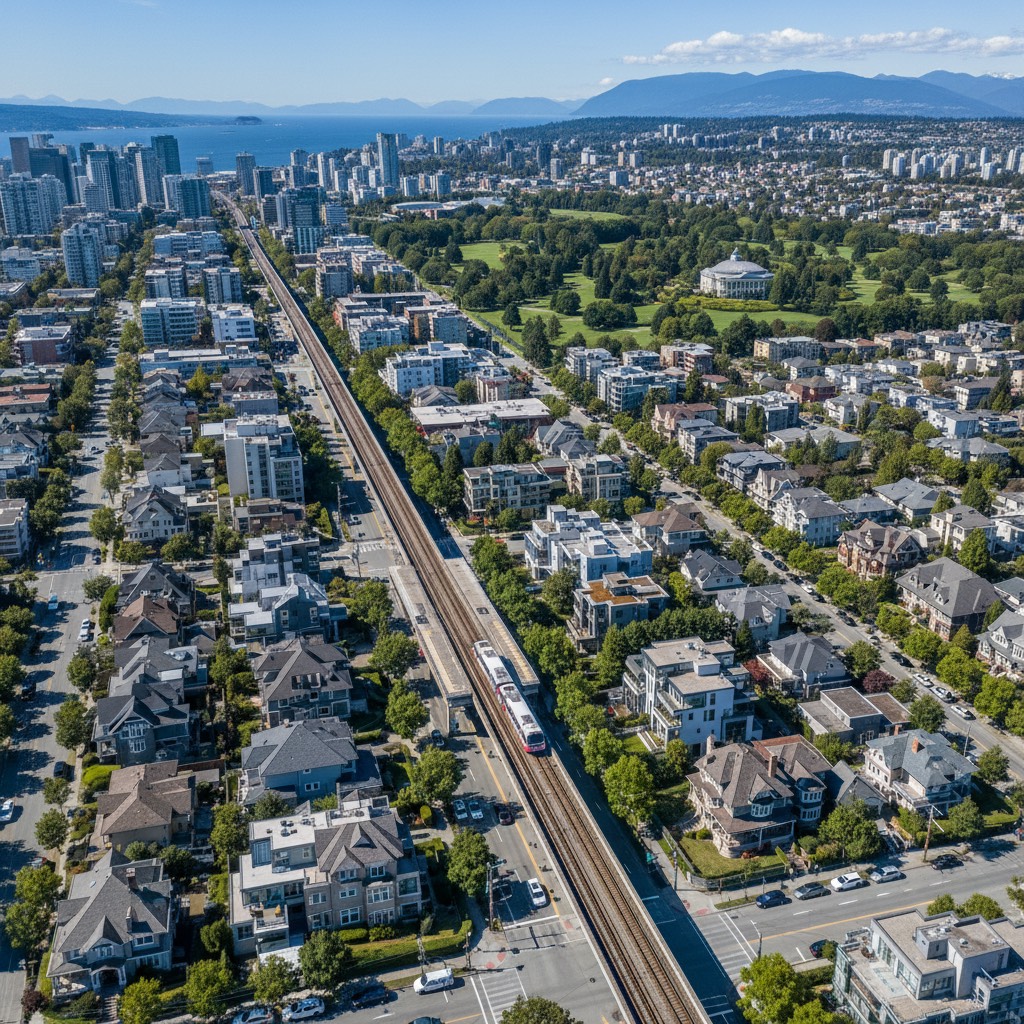
South Cambie
Canada Line & central location
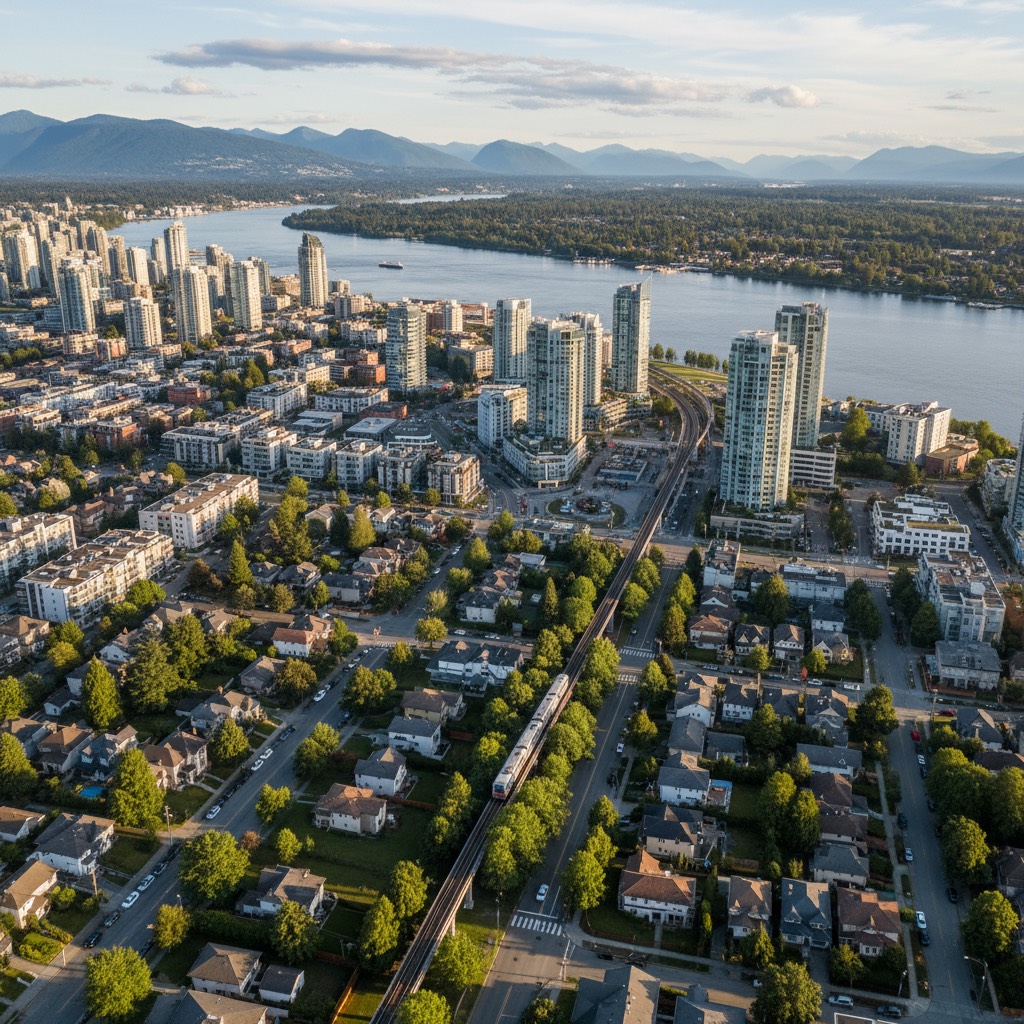
Sunset
Value opportunity & growth
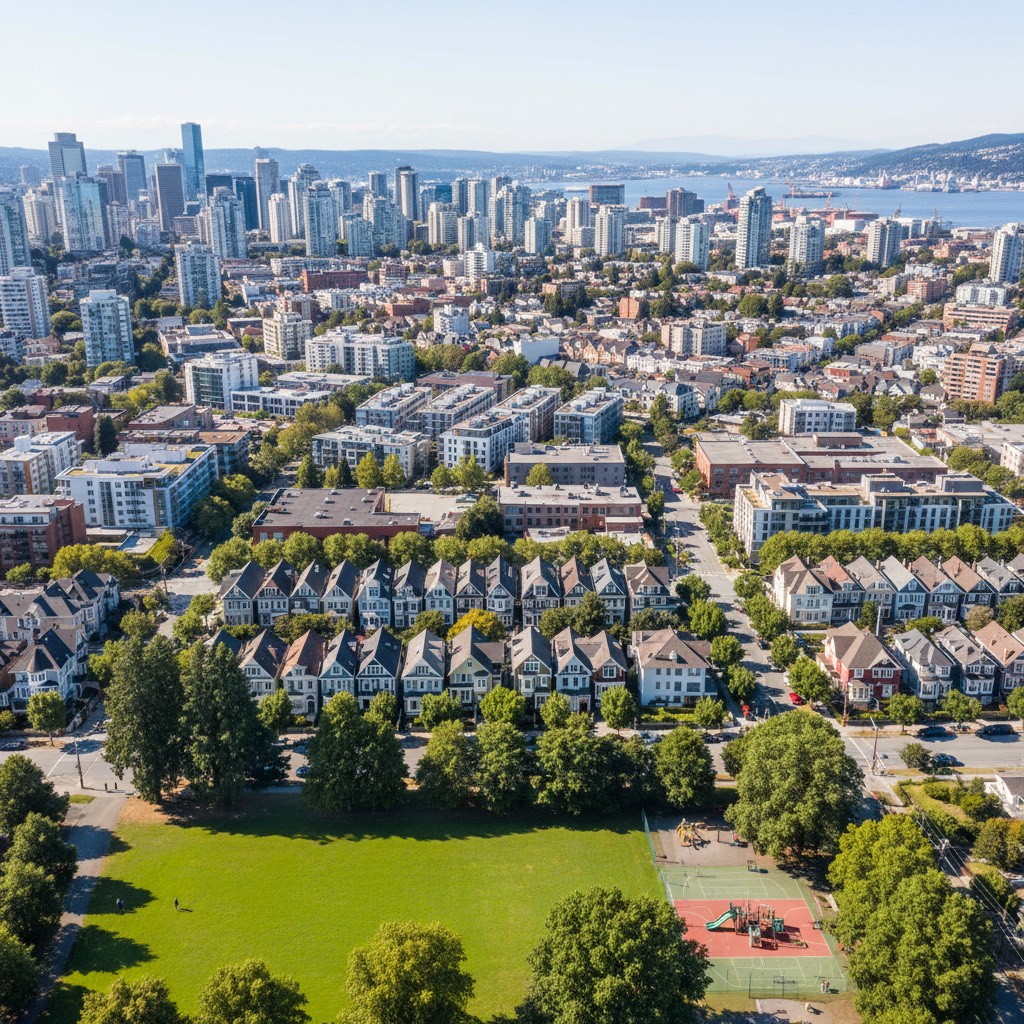
Strathcona
Historic charm & arts scene
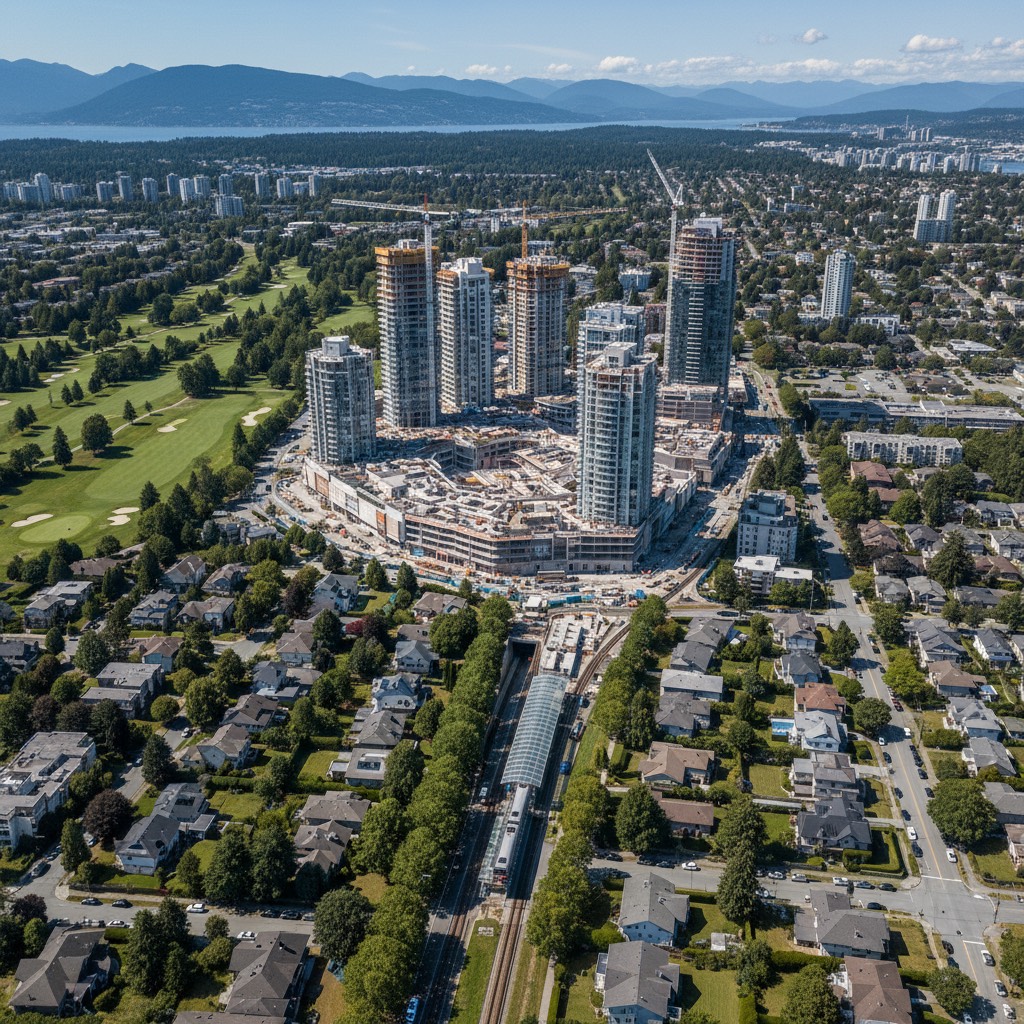
Oakridge
Transit hub transformation
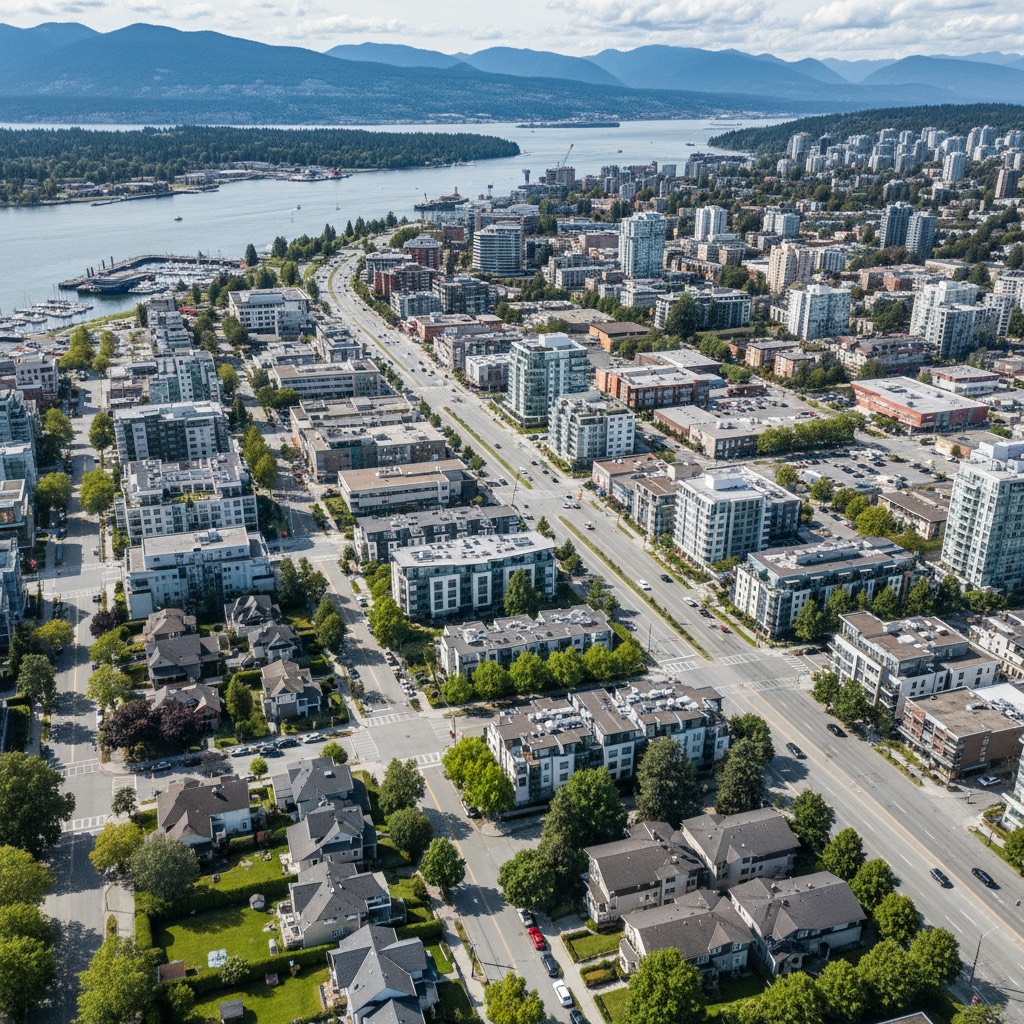
Marpole
River views & redevelopment
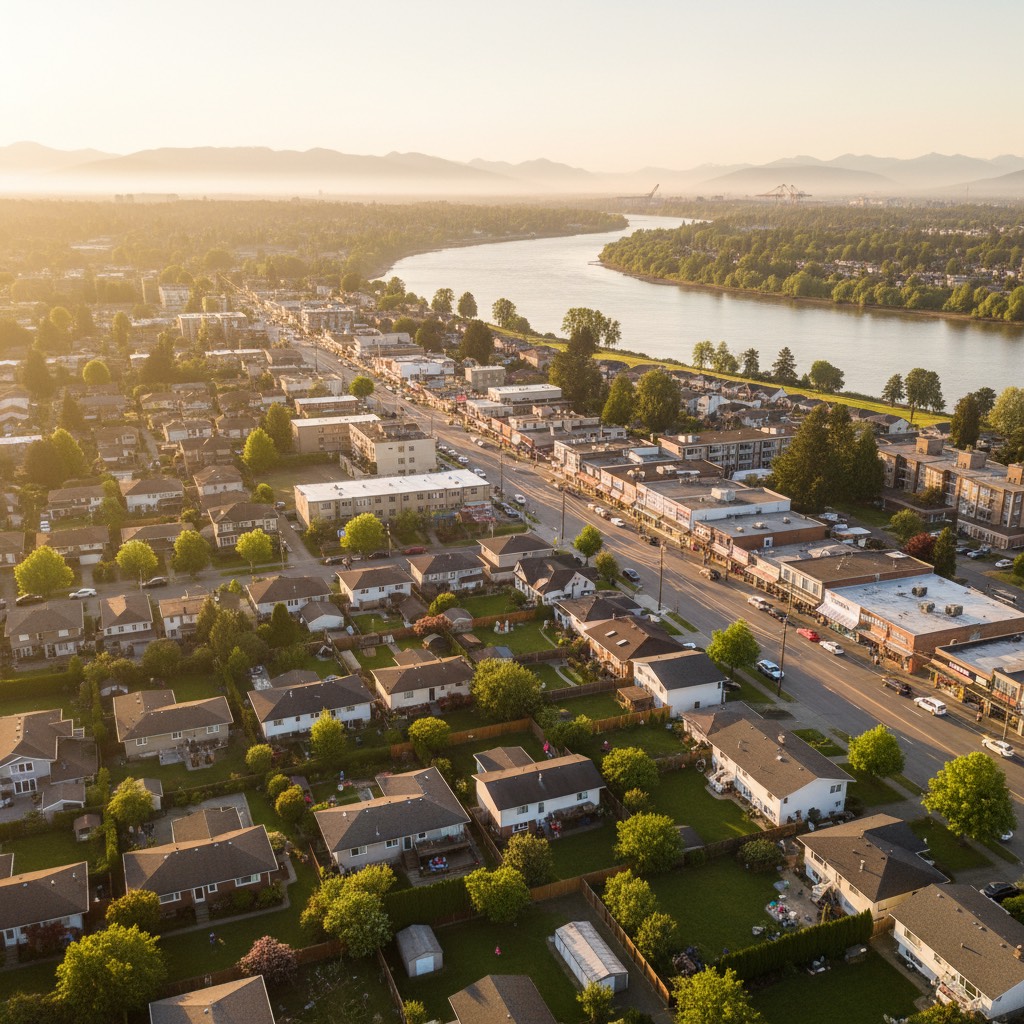
Victoria-Fraserview
Strong family demand
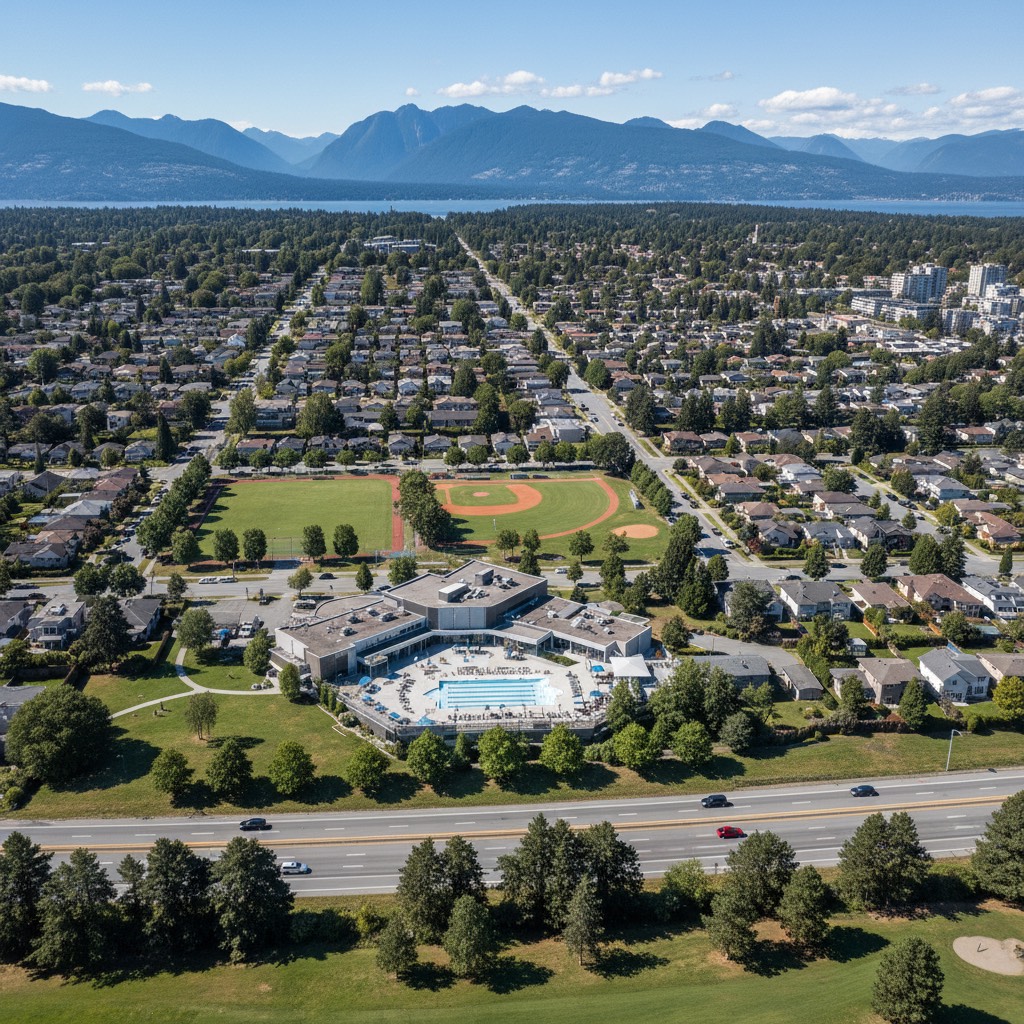
Killarney
Community-centered living
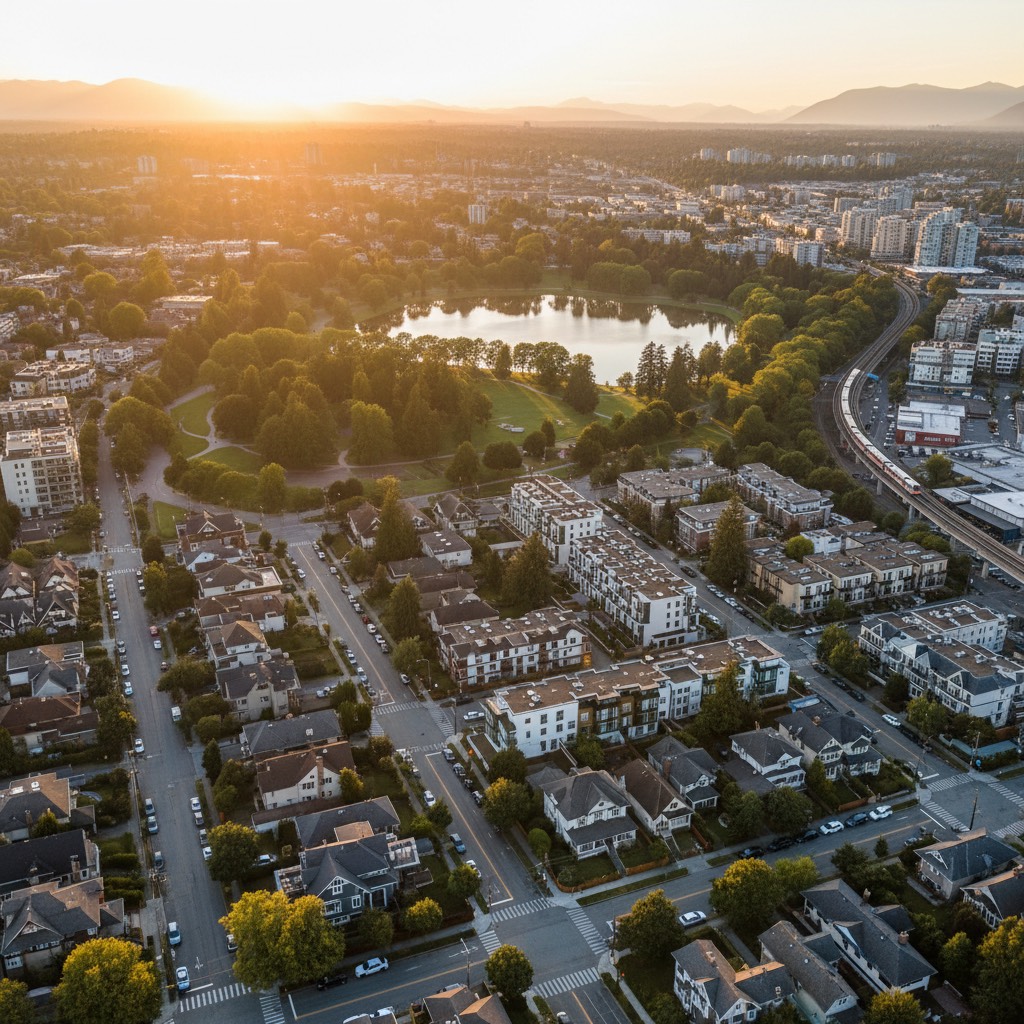
Kensington-Cedar Cottage
Trout Lake & transit access
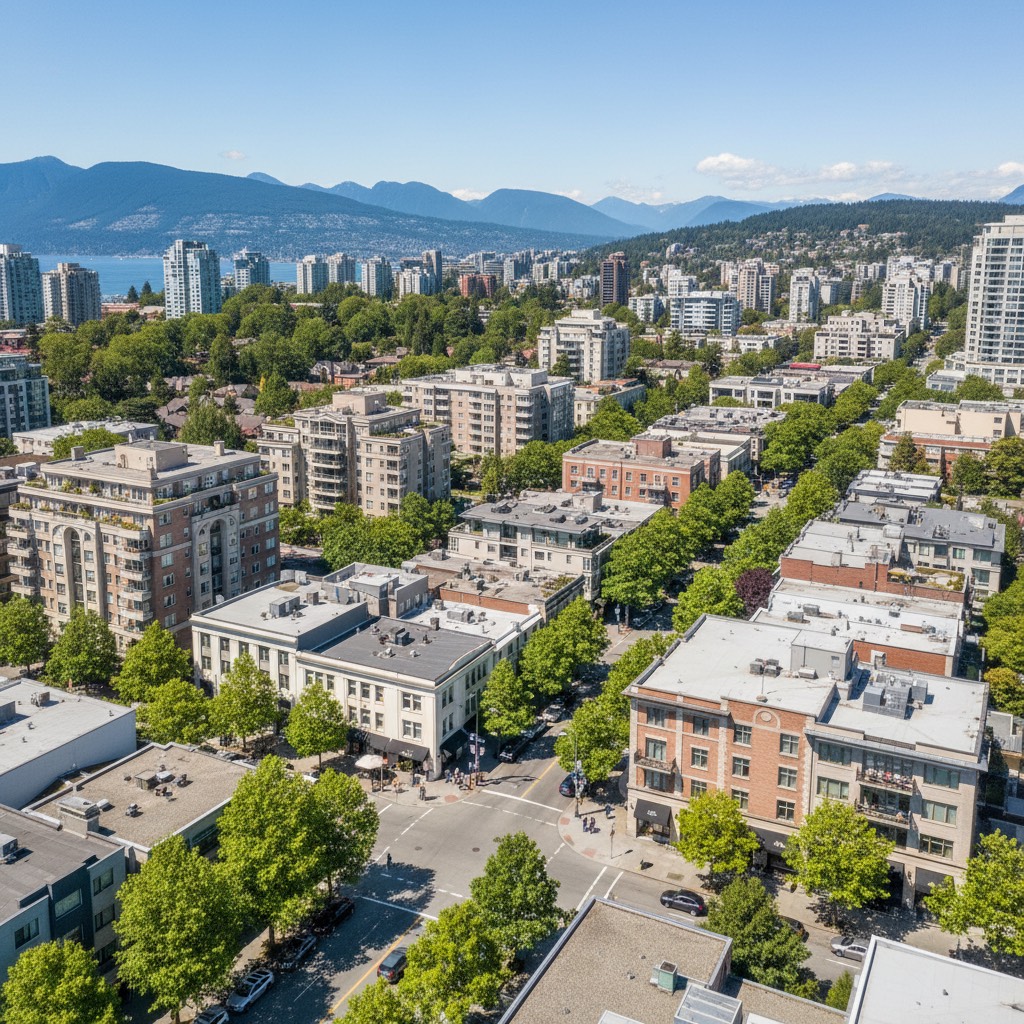
South Granville
Gallery district sophistication
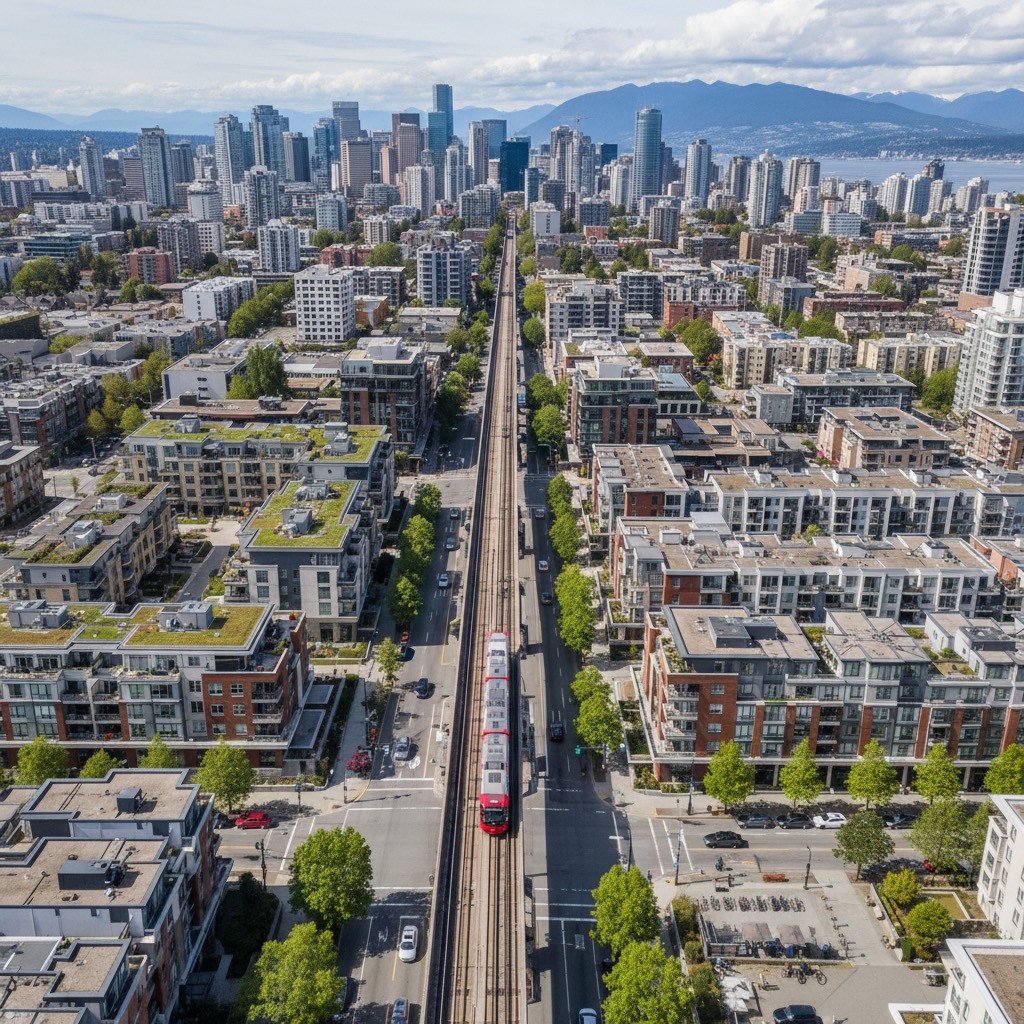
Cambie Corridor
Transit-oriented growth
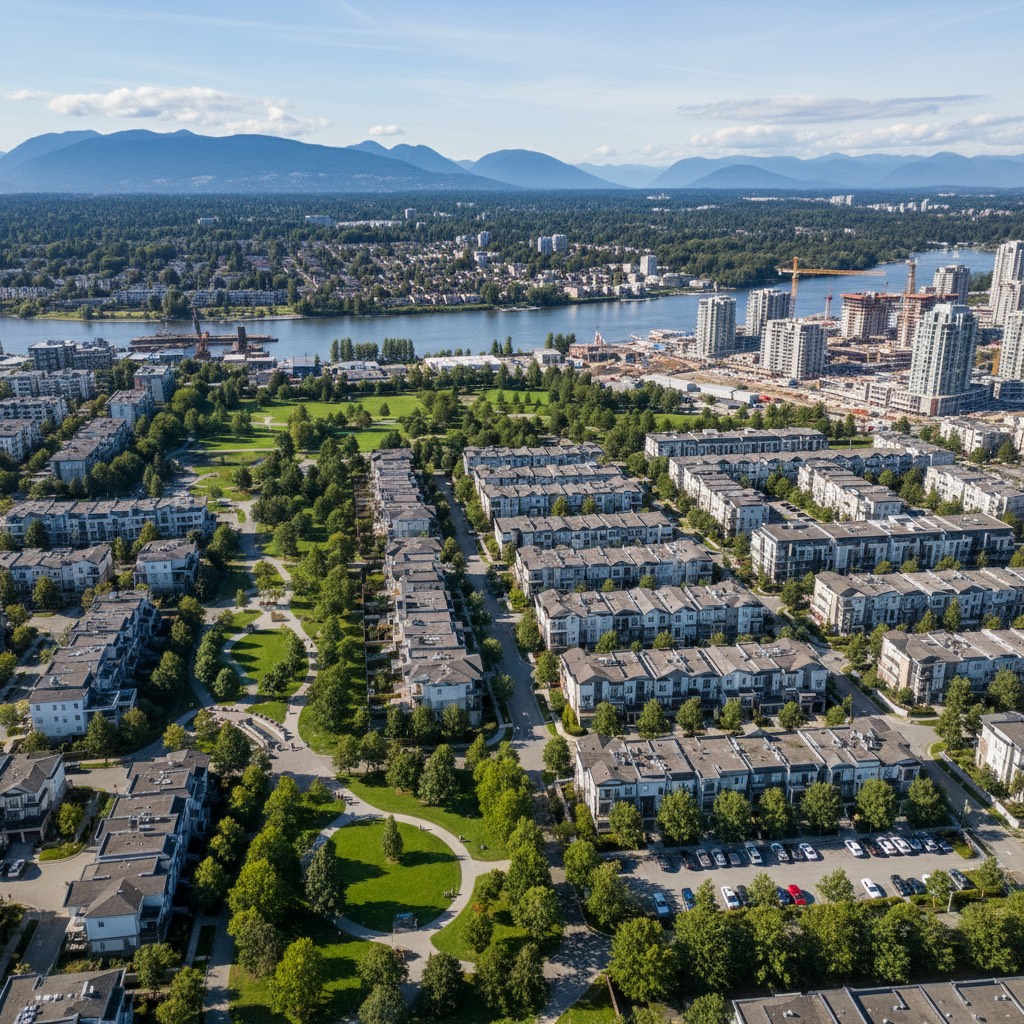
Champlain Heights
River District catalyst
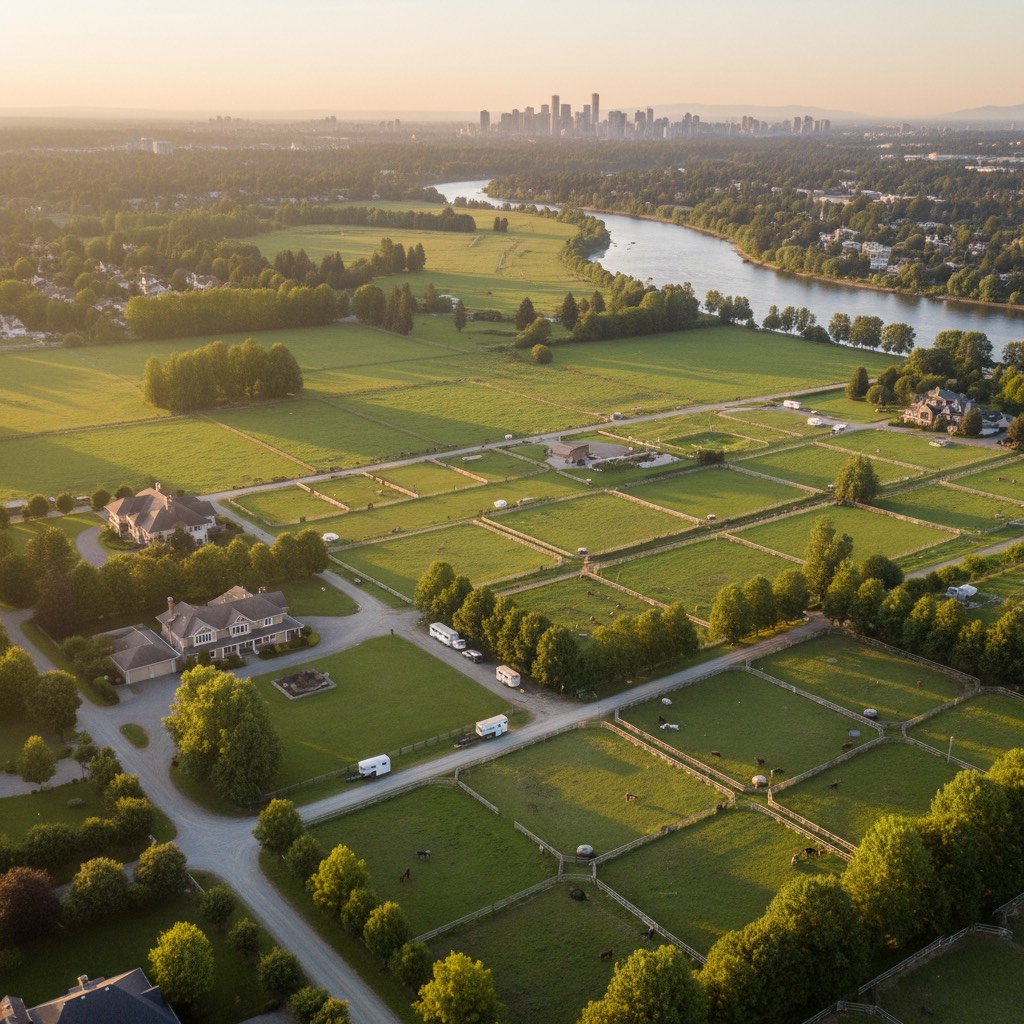
Southlands
Unique equestrian character
Partner Coordination
Architects & Designers
We match you with multiplex designers who understand R1-1 guidelines, passive house options, and missing-middle context.
Permit Expediters
Our permitting team prepares and files submissions, coordinates city reviews, and keeps approvals moving.
Financing & Brokerage
Introductions to lenders and brokers ensure your proforma assumptions translate into financing and sell/lease execution.
Request your Vancouver multiplex feasibility
Enter your address to see updated eligibility, floor-space rules, and budget bands aligned with the Low Density Housing Options guide.
Vancouver R1-1 FAQs
What is R1-1 zoning in Vancouver?
R1-1 is Vancouver’s gentle density residential district. It replaced the old RS zones in 2023 and allows multiplexes—up to 6 strata units or 8 secured rental units—on lots that previously permitted only a single detached house. It is Vancouver’s version of BC’s SSMUH (Small-Scale Multi-Unit Housing) mandate under Bill 44.
How many units can I build on an R1-1 lot?
It depends on your lot’s frontage and area: a 10 m frontage/306 m² lot can build 3–4 units; 13.4 m frontage/464 m² unlocks 4–5 units; 15.1 m frontage/557 m² allows 4–6 strata or 8 secured rental units. The density bonus FSR rises from 0.70 base to 1.0 maximum with a cash density contribution.
Is Vancouver R1-1 compliant with Bill 25?
Yes. Vancouver’s R1-1 zone already allows more density than Bill 25 requires (up to 8 units for secured rental) and is exempt from the June 30, 2026 compliance deadline that affects more restrictive municipalities.
Do you obtain permits?
We prepare and file all permits while coordinating architects, consultants, and city reviewers through the City’s Development and Building Services Centre process.
What does a Vancouver multiplex development cost in 2026?
Duplex: $1.45M–$1.75M. Fourplex: $1.85M–$2.40M. Sixplex (FTNA): $2.45M–$3.05M. These are hard + soft cost bands. Use our Development Cost Calculator for DCLs, DCCs, and permit fees specific to your lot.
Can I compare duplex vs triplex vs sixplex?
Yes—enter your address and your plan presents viable unit mix options with profit bands and timelines for each configuration so you can compare paths before committing to design spend.
Keep exploring
More multiplex support for Vancouver
Dive deeper into British Columbia's gentle density rollout with provincial guidance, statewide policy explainers, and practical tools that keep your Vancouver multiplex project on track.
Design Guidelines Hub
Explore BC's standardized multiplex designs, building code requirements, cost analysis, and permit process -- all in one place.
Browse design guidelines →BC SSMUH Guide
Understand provincial requirements, municipal adoption timelines, and VanPlex's delivery pillars for small-scale multi-unit housing.
Explore the guide →Gentle Density Playbook
Compare multiplex, rowhouse, and cottage court project strategies while you plan your Vancouver build-out.
View the playbook →R1-1 Zoning & Metro Vancouver Zoning Maps
Look up your zone code — R1-1, R1 SSMUH, RM, RT — and see transit areas, density overlays, and servicing considerations across Metro Vancouver, Tri-Cities, and Fraser Valley municipalities.
Browse zoning maps →Multiplex & SSMUH Glossary
Decode Bill 44 terminology -- FSR, stratification, gentle density, and more -- so you can speak the same language as planners and lenders.
Learn the terms →Development Cost Calculator
Estimate DCLs, DCCs, permit fees, and servicing charges for your Vancouver multiplex lot before you commit to design spend.
Calculate your fees →Vancouver Multiplex Guide
Complete overview of Vancouver multiplex development -- R1-1 zoning rules, costs, timelines, ROE projections, and how VanPlex manages the full process.
Read the guide →