
British Columbia | Multiplex Joint Ventures
Joint Venture Hub for BC Multiplex Development
Most multiplex deals in BC now need three things almost nobody has alone: land, capital, and build capacity. This hub is the working manual for combining those three sides into a joint venture — without getting washed out of your own deal.
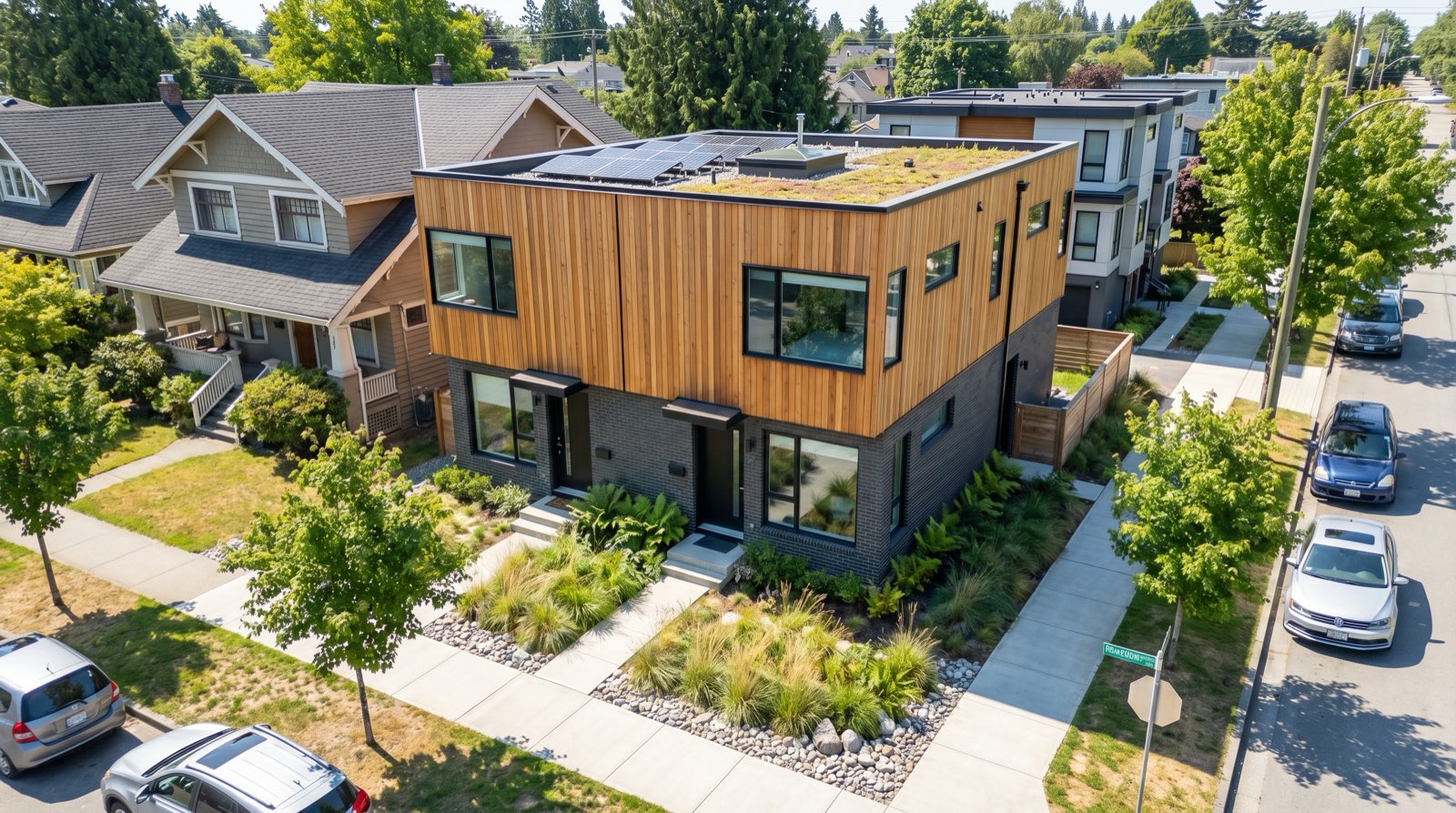
What This Hub Assumes
- ✓A JV is a last-resort structure, not a first choice. Most lots should be sold or self-developed if possible.
- ✓The JV agreement is the entire deal. A good deal on a bad contract is still a bad deal.
- ✓Partner selection matters more than structure selection. A great contract with a bad partner still loses.
- ✓The right benchmark is always JV versus the alternative — selling, waiting, or self-developing the same lot.
Who Is This For?
Landowner
You own a lot in a multiplex-zoned BC neighbourhood. You don't want to sell, but you can't front $3M for a build.
Read Landowner Playbook →Investor
You have capital and want multiplex development exposure without running a construction site.
Read Investor Playbook →Builder
You build multiplexes for a living and want to climb from fee-for-service into carried interest.
Read Builder Playbook →The Core Tension
Why JVs exist
Vancouver multiplex projects now require a landowner, $2–4M of capital, and a credible builder. Almost no single party has all three. The JV is how those three sides actually combine.
Why JVs fail
Most JVs break on the same things: unclear decision rights, under-priced land, missing default clauses, and a builder who also controls the books. The contract is the whole game.
What this hub does
It walks through every structure real BC multiplex JVs use — bare trust, limited partnership, co-ownership — and gives you the language to negotiate your own deal without getting flattened.
How To Read The Guide
Structure
Bare trust, general partnership, limited partnership, co-ownership. Each has different PTT, GST, liability, and lender consequences.
Economics
Equity splits, preferred returns, catch-ups, promotes, fees. The sentences in the waterfall section decide who actually gets paid.
Governance
Decision rights, default remedies, buy-sells, dispute resolution. If this is vague you will end up in BC Supreme Court.
Fast Visual: The JV Decision Funnel
Is this actually a JV opportunity?
Before anything else, confirm the lot can produce a unit count that justifies bringing in a second and third party. A 4-unit deal on a tight lot rarely has enough margin to split three ways.
Who brings what?
Be honest about what each side contributes — land, cash, construction capacity, development experience. Undervaluing your own contribution is how landowners get washed out.
Structure the capital stack
Decide on bare trust vs partnership vs co-ownership. The structure dictates PTT, GST, personal liability, and whether CMHC MLI Select is reachable.
Write the waterfall
Return of capital → preferred return → catch-up → promote. The specific percentages at each tier matter more than the top-line equity split.
Lock the exit
Shotgun clause, forced sale, drag-along, tag-along. If you skip the exit section, you do not have a JV — you have a lawsuit in waiting.
What Makes JVs Hard
Legal complexity
5/5The agreement is the entire deal. Every clause is load-bearing.
Tax sensitivity
5/5GST self-supply, PTT, and income-vs-capital can swing returns by 20%+.
Partner risk
5/5You are married to this person for 24+ months. Vetting matters.
Financing leverage
4/5A credible JV can unlock 85–95% LTC through CMHC MLI Select.
Capital efficiency
5/5The whole point of a JV is doing the deal with money you do not have.
The Three Likely Outcomes
Likely End State
Sell Instead
The lot will not support more than 4 units, the owner is risk-averse, or the available partners are not credible. Cash out cleanly.
Likely End State
JV the Deal
Strong lot, credible builder, willing capital, and an owner who wants upside exposure without writing the construction cheque.
Likely End State
Self-Develop
Owner has the capital, the time, and the stomach to hire a GC directly. A JV adds partners you do not need.
Best For
- ✓ Lots that can reach 5+ units with a credible rental or strata exit.
- ✓ Owners who want development upside but cannot or will not carry construction debt alone.
- ✓ Builders with a track record who want to climb from fees into carried interest.
- ✓ Capital partners who want multiplex exposure without running the project.
Usually Fails When
- ✕ The underlying deal only works if every assumption lands right.
- ✕ One partner controls both construction and the books.
- ✕ The JV agreement skips default remedies, buy-sells, or dispute resolution.
- ✕ Land is undervalued and the landowner gets washed out at refinance.
What To Verify Before Spending Money
- → Current unit count, FSR, and rental tenure rules for the specific parcel.
- → Full structure recommendation from a BC real estate lawyer before any LOI.
- → GST status of every partner and the consequences of the self-supply rule.
- → Buy-sell, forced sale, and default remedies — in writing, before closing.
Explore The Hub
Frequently Asked Questions
What is a multiplex joint venture in BC?
Do I need a lawyer to set up a multiplex JV?
What's a typical equity split in a Vancouver multiplex JV?
What is a preferred return and why does it matter?
Can I contribute my lot without getting taxed on the transfer?
What happens if my JV partner defaults on a capital call?
Will a lender finance a JV multiplex?
Is this hub legal advice?
Related Reading
Guide
The Complete Guide to BC Multiplex Joint Ventures (2026)
How land, capital, and build capacity actually combine into a working multiplex JV in BC.
Analysis
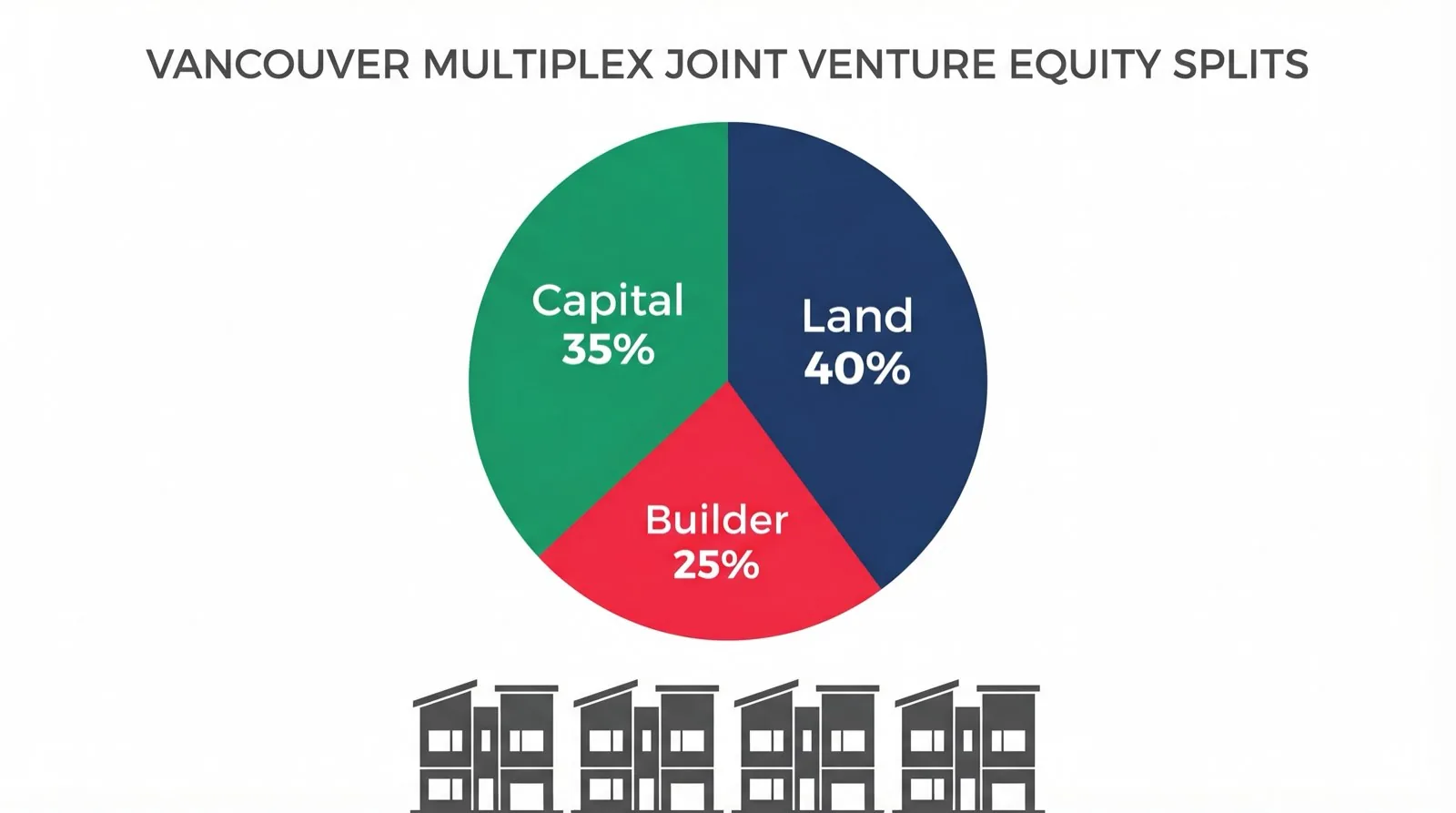
What's a Fair Equity Split for a Vancouver Multiplex JV?
Why 50/50 is rare, what land is actually worth, and how splits really get set.
Legal
8 JV Agreement Clauses That Get People Sued
The specific sentences that end multiplex joint ventures in BC Supreme Court.
Financing
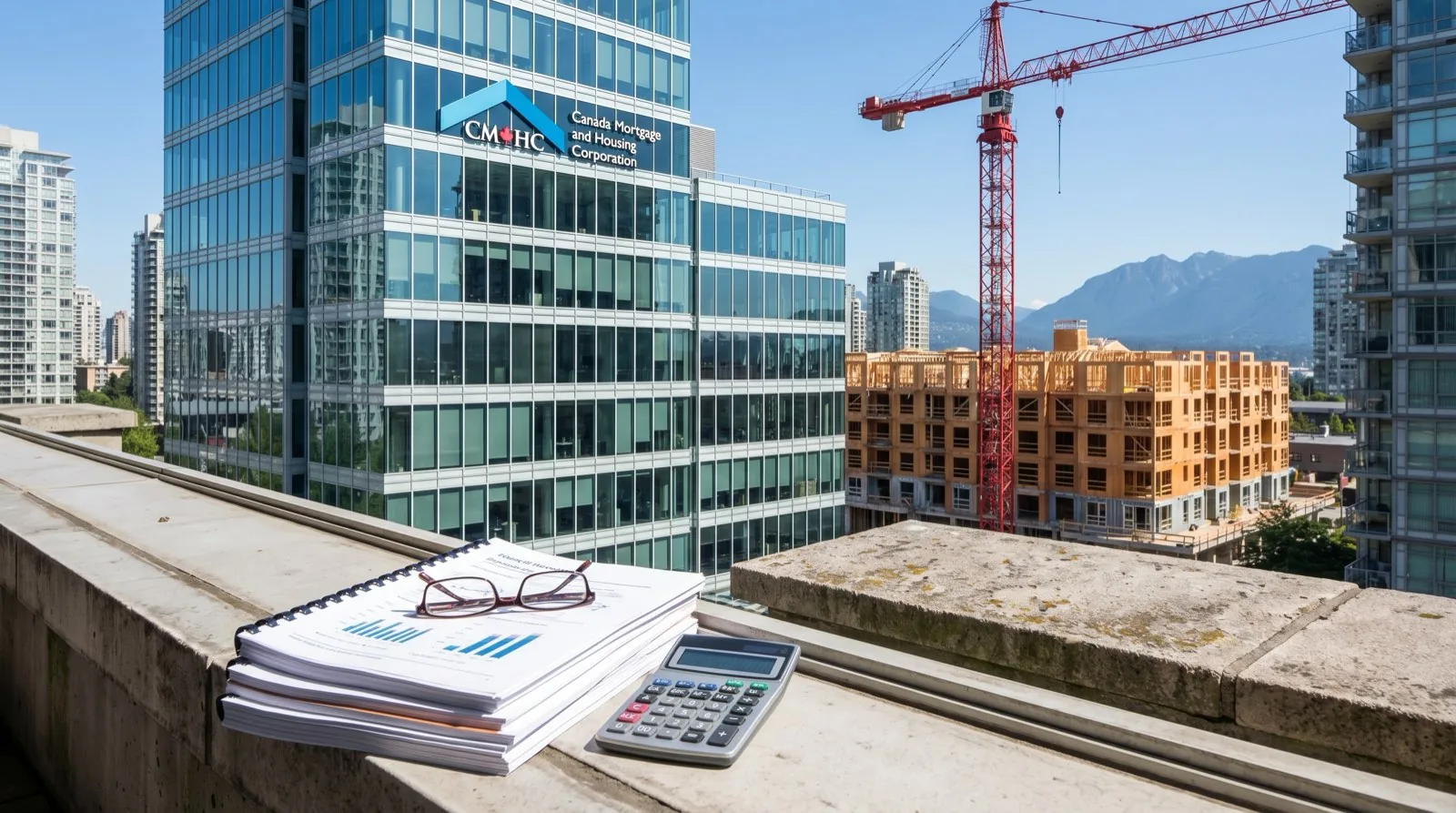
CMHC MLI Select Inside a Joint Venture: The 95% LTC Question
How MLI Select changes the math for BC multiplex JVs and when 95% LTC is reachable.
Explore Related Guides
Build-to-Rent
Rental Hold Strategy
How secured-rental tenure changes the capital stack — and where a JV combines with CMHC MLI Select.
Multigen
Multigenerational Living
Family JVs are the simplest case. When parents, siblings, and adult children build together on one lot.
Costs
Development Cost Calculator
Estimate DCLs, DCCs, permits, and soft costs before negotiating a land contribution value.
Official Sources Referenced
Explore Your Lot's Joint Venture Potential
Enter any BC address to see what a multiplex JV could look like on this parcel — unit count, rough build cost, and what the land contribution might be worth.