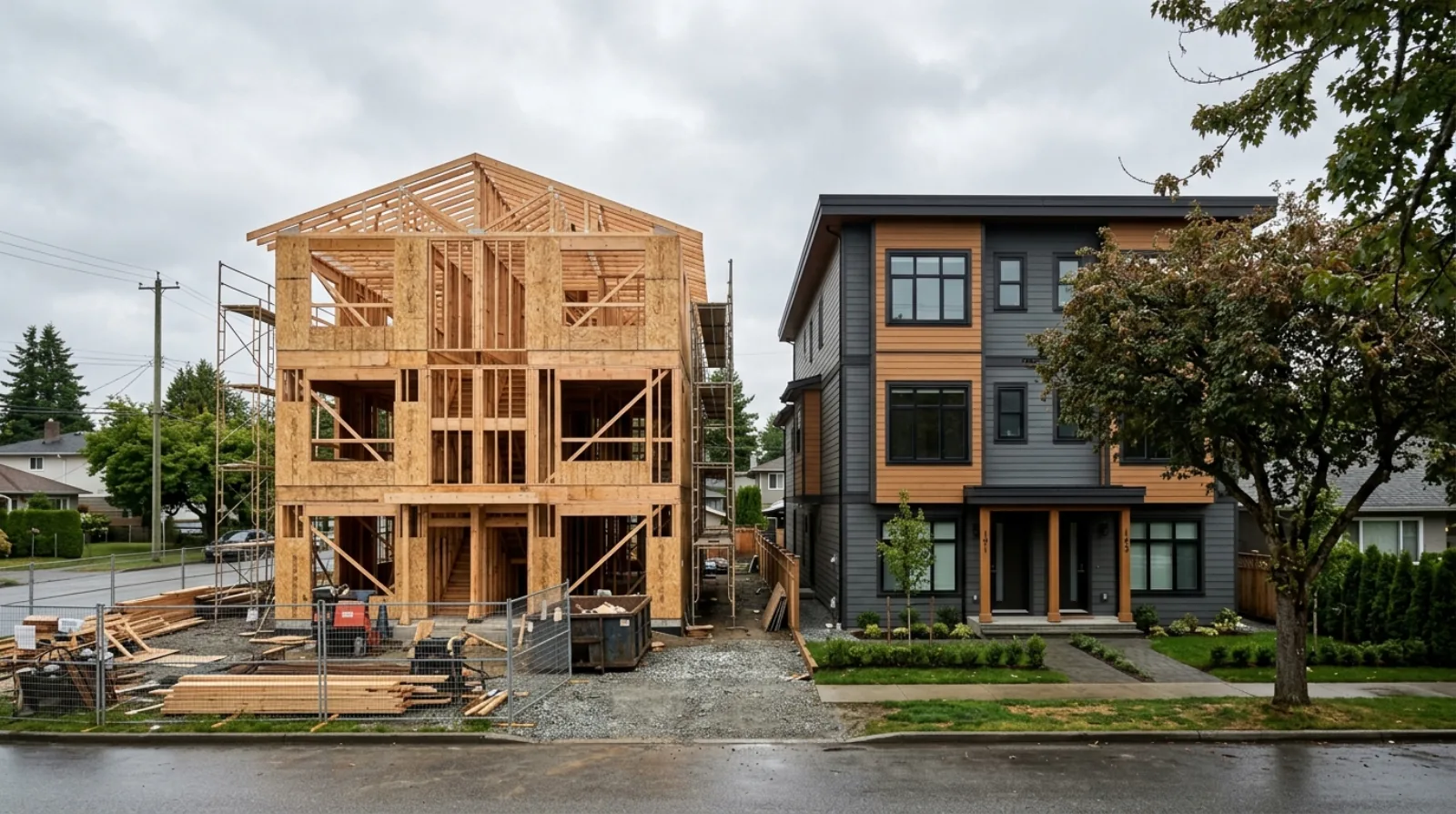

Your lawyer calls. A claim of lien has been registered against the title of your project. The sale scheduled for next month is now in question and your lender has paused the next draw.
Nothing has been proven. A claim of lien is a registration in the land title office, and it does not require a judgment or a court finding that the money is owed. The dispute about whether the debt is real happens afterwards.
That asymmetry is deliberate. The Act gives unpaid trades a fast remedy because they are usually the party least able to wait for a trial.
Check three things first
The filing date. Section 20 requires the claim to be filed within 45 days of the certificate of completion, or of completion, abandonment or termination of the head contract where no certificate was issued. Section 22 extinguishes a lien that was not filed as required. A claim registered outside that window is out of time regardless of whether the underlying debt is genuine.
The amount and the claimant. Section 17 bars a claim of lien under $200. Section 19 creates liability for wrongful filing, so an inflated or baseless claim carries consequences for the person who filed it.
Your holdback. If you retained the 10% properly, the fund to answer this claim already exists. The conversation becomes who it gets paid to, rather than where to find new money.
The one year deadline
Filing is the start. Under section 33, the claimant must commence an action to enforce the lien and register a certificate of pending litigation within one year of the filing date. Fail to do both and the lien is extinguished.
Owners sometimes hear this and decide to wait it out. That works only where the claimant does nothing. A claimant who takes both steps keeps the lien alive and the matter proceeds to court, and in the meantime your title is encumbered for a year.
If you have a sale, a refinance or a construction draw pending, waiting is the expensive option.
Two ways to clear it
Section 23 removes the claim by payment of the total amount recoverable. This is the route when you accept the debt, or when the amount is small enough that fighting it costs more than paying it. Confirm that paying the claimant discharges the obligation through the chain rather than leaving another party able to claim the same amount again.
Section 24 cancels the claim by giving security. You apply to court, and where the court is satisfied the security is sufficient for payment of the claim, the lien comes off title. The security stands in place of the property and the dispute continues in the litigation.
The deciding question is whether you accept the debt. If you do, section 23 ends it. If you believe the claim is wrong, paying it under section 23 to make the problem disappear means funding a claim you dispute, and getting that money back later is difficult.
Where a completion date is fixed and a buyer is waiting, section 24 is usually the practical answer. It costs more up front and it buys a clean title now with the argument preserved.
Do this today
Court applications take time to prepare and schedule. If a sale is at risk, instruct a BC construction lawyer immediately rather than waiting to see whether the claimant withdraws.
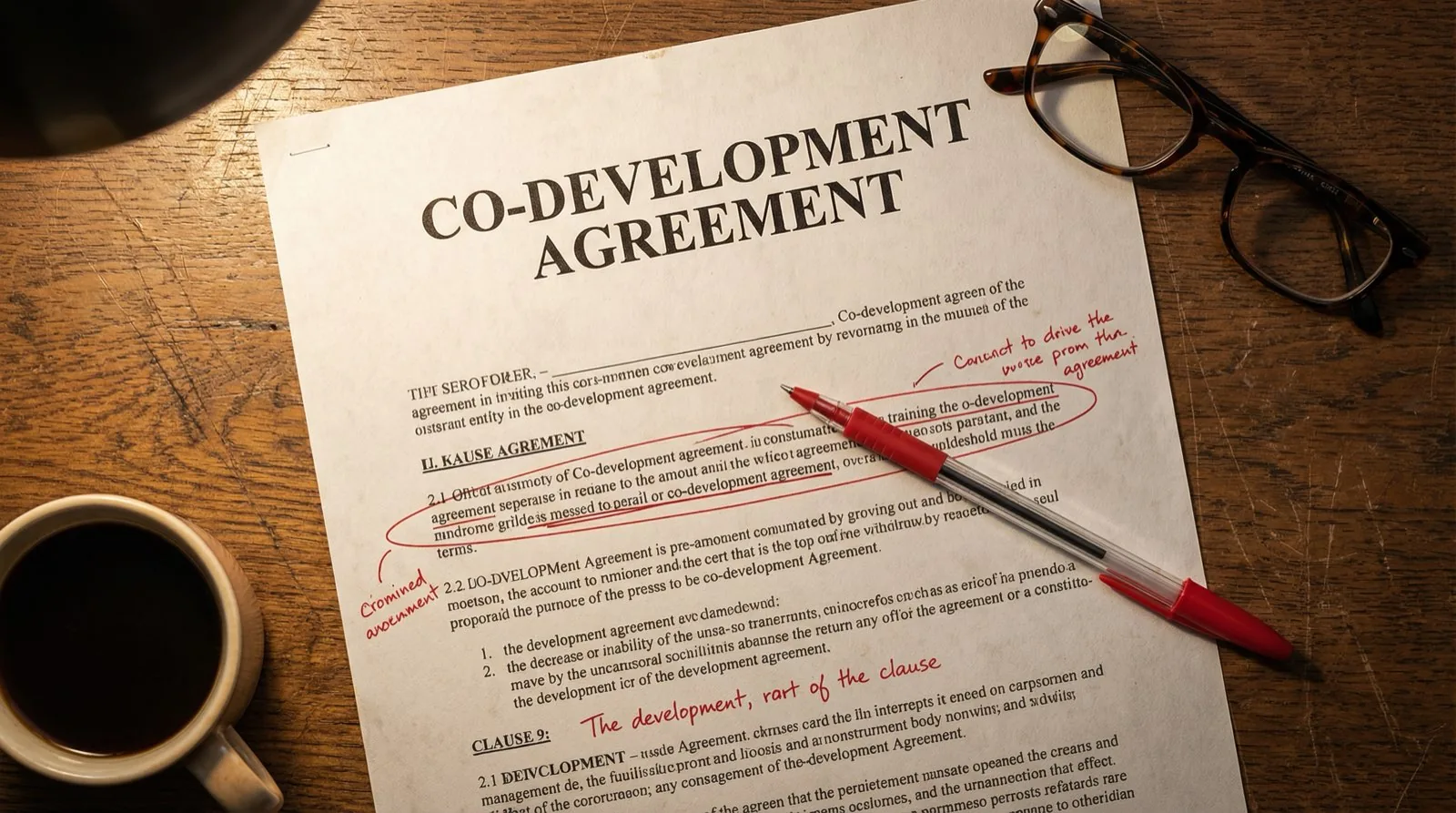
Check what your lot can build and understand the contract terms before the next project starts.
The two clearing routes are compared in detail in the clearing a lien guide.