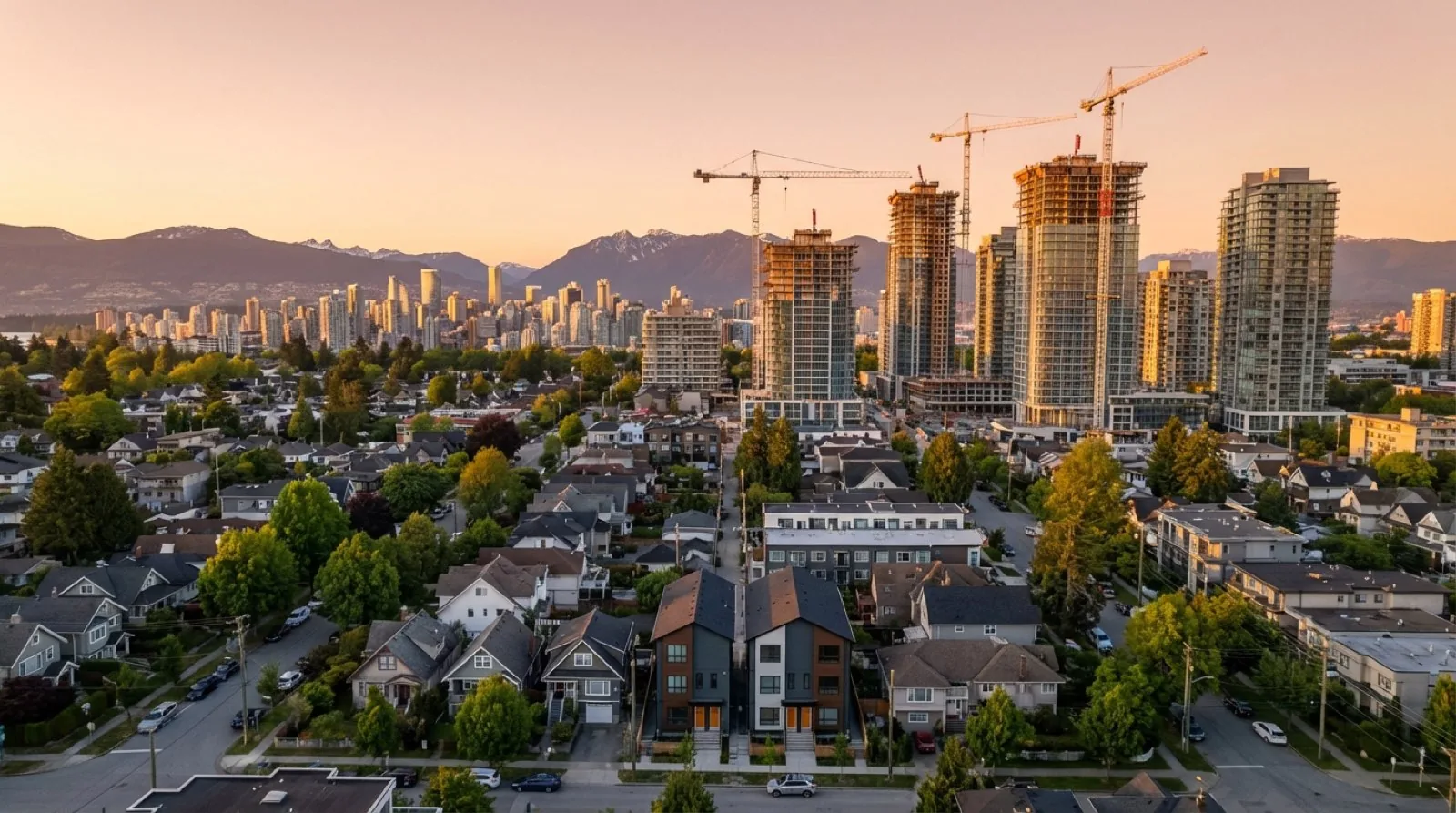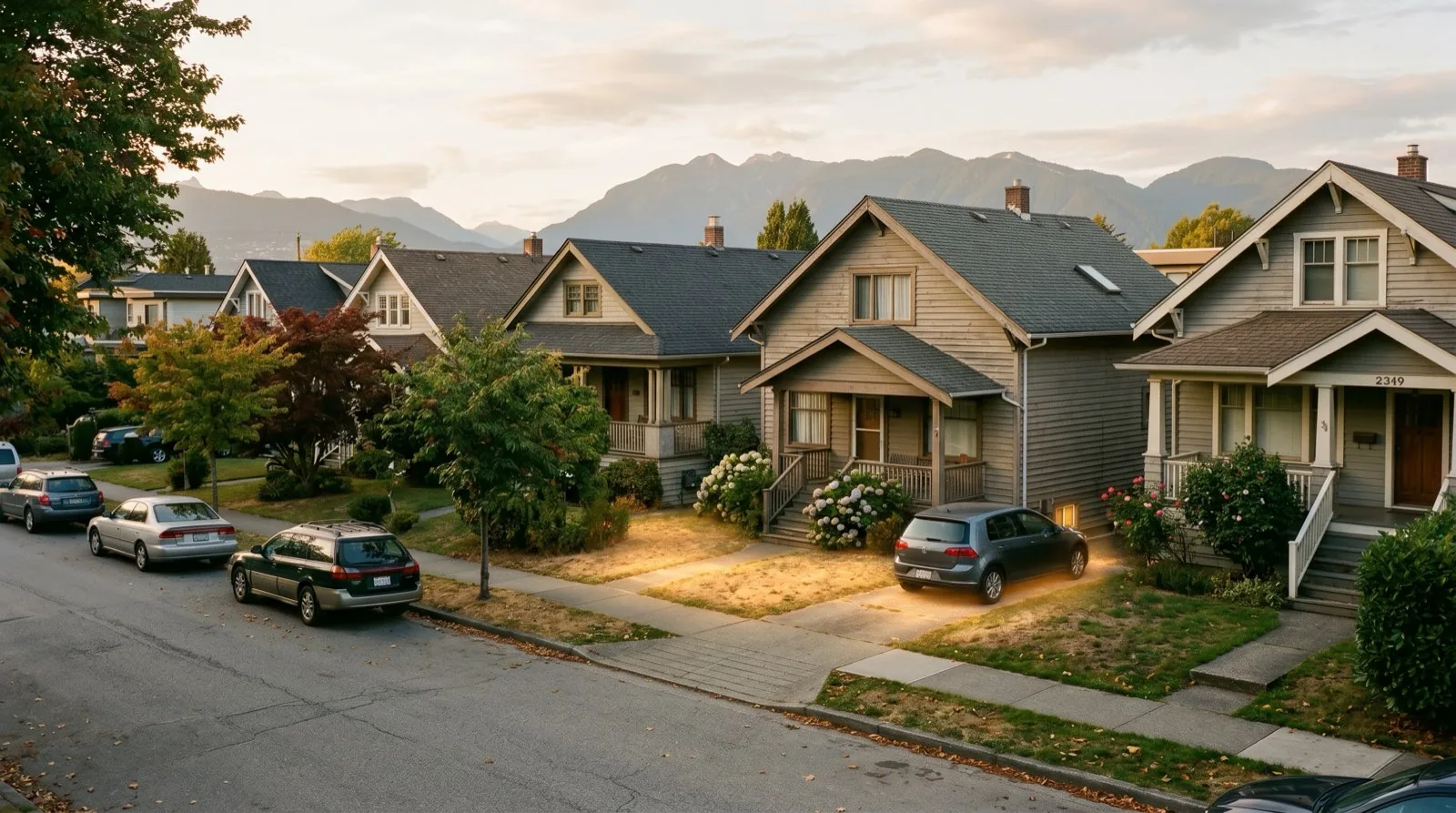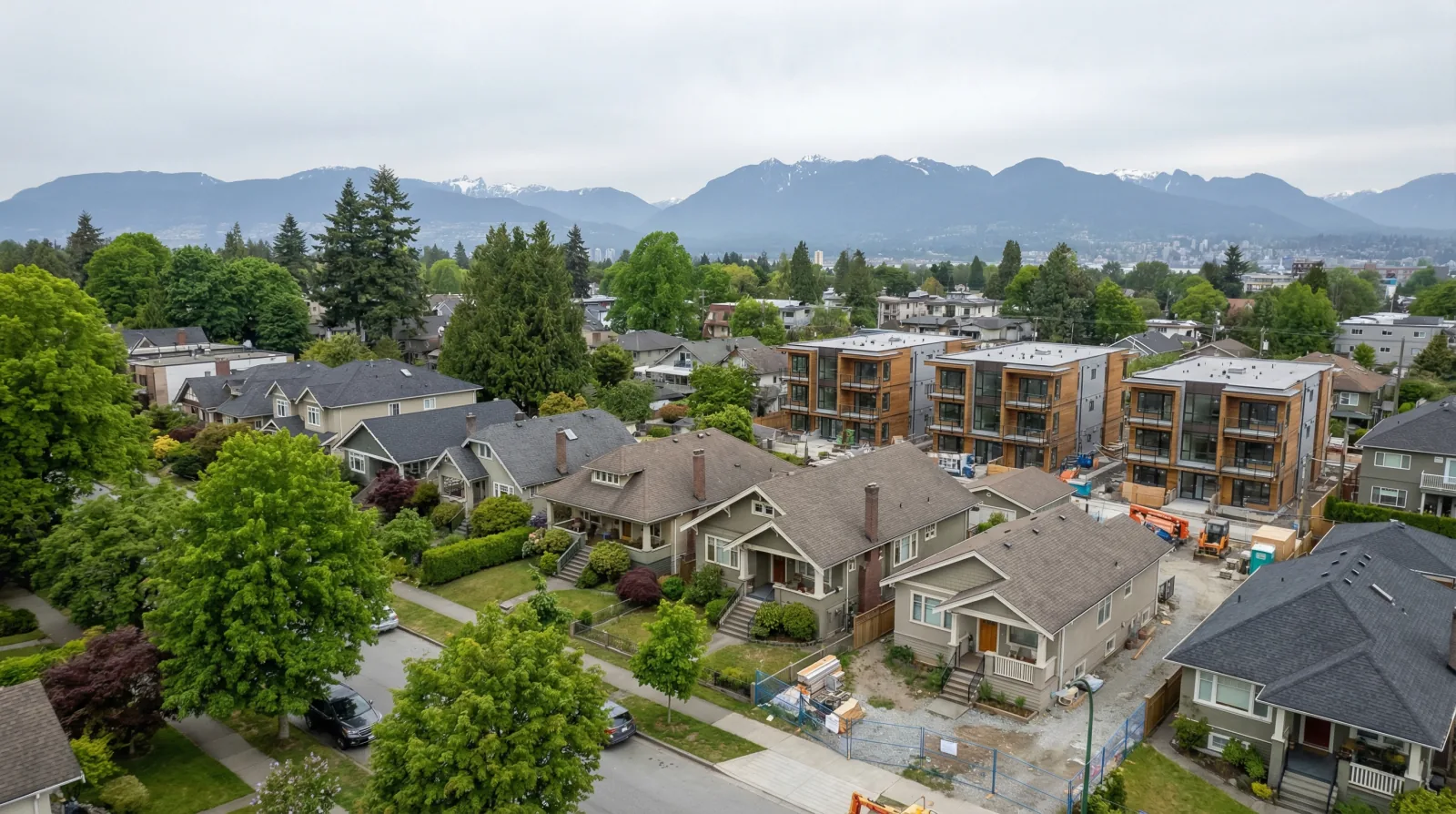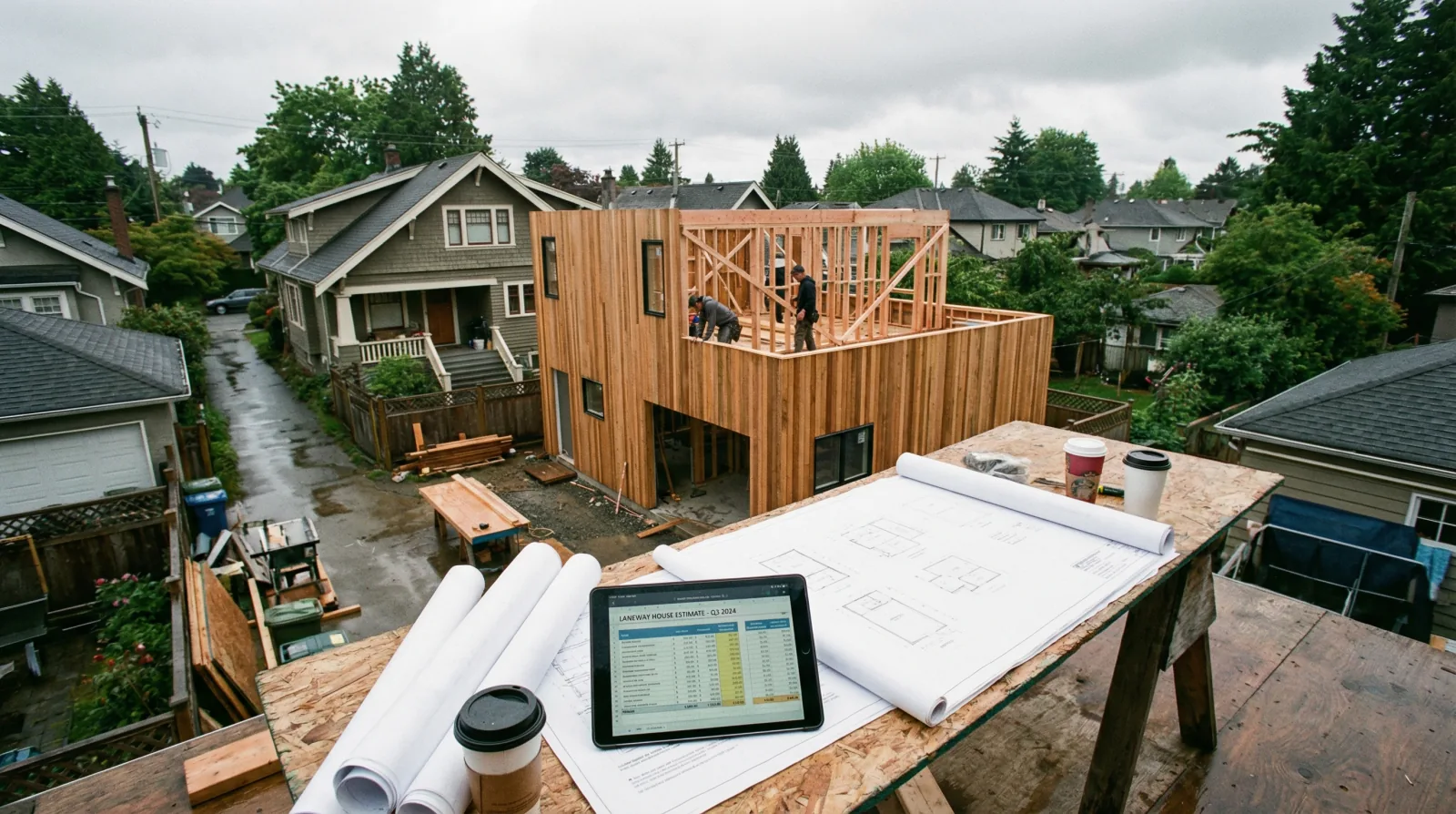

A laneway house in Vancouver will cost you between $300,000 and $500,000 all-in. That’s the real number. Not the $250K you saw on a blog post from 2022. Not the $600K your neighbour’s cousin claims to have spent. The actual, documented, 2026 cost of designing, permitting, building, and finishing a laneway house on a standard Vancouver lot.
Here’s exactly where that money goes.
TL;DR (Key Takeaways)
- All-in laneway house cost in Vancouver: $300,000-$500,000 (2026 data)
- Construction alone runs $250-$400/sq ft depending on finishes and neighbourhood
- Permits and design eat $25,000-$60,000 before a shovel hits dirt
- Hidden costs (utility upgrades, tree protection, soil work) add $15,000-$50,000
- Costs are up 12-18% from 2024 due to labour shortages and material inflation
- East Vancouver builds run 15-20% cheaper than West Side equivalents
The full cost breakdown
Phase 1: Design ($15,000-$40,000)
You need an architect or designer. Period. Vancouver’s laneway house guidelines are specific about setbacks, height, and FSR. A designer who has done 20+ laneway houses will save you $30,000 in construction by getting the layout right the first time.
- Basic design package (stock plan with site adaptation): $15,000-$22,000
- Custom architectural design: $25,000-$40,000
- Structural engineering: $5,000-$8,000
- Energy advisor (BC Step Code compliance): $3,000-$5,000
Custom design makes sense if your lot is irregular or you’re building for aging parents who need specific accessibility features. For a standard 33x122 lot with a typical two-bedroom program, an adapted stock plan works fine.
Phase 2: Permits and fees ($10,000-$20,000)
Vancouver’s permit timeline has improved since the City introduced its Small-Scale Multi-Unit Housing (SSMUH) streamlining in 2024. Expect 3-5 months for a straightforward laneway house application.
- Building permit fee: $5,000-$8,000
- Development cost levies: $3,000-$6,000
- Utility connection fees: $2,000-$4,000
- Survey and geotechnical: $3,000-$5,000
The geotechnical report is non-negotiable. Vancouver’s soil conditions vary dramatically even within a single block. Skip it and you risk foundation problems that cost $40,000+ to fix.
Phase 3: Construction ($250,000-$400,000)
This is where the real money goes. For a typical 900-1,200 sq ft laneway house:
| Cost component | Range |
|---|---|
| Foundation and structure | $50,000-$80,000 |
| Framing and envelope | $45,000-$70,000 |
| Mechanical (HVAC, plumbing) | $35,000-$55,000 |
| Electrical | $20,000-$30,000 |
| Interior finishes | $50,000-$90,000 |
| Exterior finishes and siding | $20,000-$35,000 |
| Kitchen and bathrooms | $25,000-$45,000 |
Per-square-foot ranges by area:
- East Vancouver (Hastings-Sunrise, Grandview, Renfrew): $250-$320/sq ft
- South Vancouver (Marpole, Killarney, Victoria-Fraserview): $270-$340/sq ft
- West Side (Kitsilano, Dunbar, Kerrisdale): $300-$400/sq ft
The West Side premium is real. Tighter lot access, higher contractor overhead in those neighbourhoods, and homeowners who tend to spec higher-end finishes. An East Van laneway with mid-grade finishes at $280/sq ft is a fundamentally different project than a Dunbar build with custom millwork at $380/sq ft.
Phase 4: Landscaping and site work ($10,000-$25,000)
- Landscaping and hardscaping: $8,000-$15,000
- Driveway and parking pad: $5,000-$10,000
- Fencing: $3,000-$6,000
Vancouver requires a minimum of two off-street parking spaces for properties with a laneway house. Factor in the parking pad early — it affects your site layout and landscaping budget.
Phase 5: Contingency (10-15% of construction)
Budget 10% minimum. 15% if you’re a first-time builder. Things that blow up contingency budgets: discovering old fuel tanks, hitting rock during excavation, and changing your mind about finishes after framing is complete.
On a $300,000 construction budget, that’s $30,000-$45,000 in contingency.
The hidden costs people miss
These are the line items that don’t show up in the glossy brochure but show up on your bank statement.
Utility upgrades ($5,000-$15,000): If your main house has an older electrical panel (100A), you’ll likely need to upgrade to 200A service to support both dwellings. Gas line extensions and water service upgrades add up fast.
Tree protection ($3,000-$12,000): Vancouver takes trees seriously. If you have a significant tree near the build zone, you’ll need an arborist report ($1,500-$2,500) and possibly a tree protection plan with hoarding, root pruning, and monitoring. Removing a protected tree triggers replacement planting requirements and fines.
Soil remediation ($5,000-$25,000): Former gas stations, dry cleaners, or industrial sites can leave contaminated soil. Even residential lots sometimes have lead paint debris or old heating oil contamination. A Phase 1 environmental assessment costs $2,500-$4,000 and can save you from a $25,000 surprise.
Temporary accommodation: If the construction significantly disrupts your main house (utility shutoffs, noise, access), some families budget $2,000-$5,000 for temporary displacement during peak construction.
How 2026 compares to 2024
Costs are up. Meaningfully.
- Labour: Up 8-12% due to continued skilled trades shortages in Metro Vancouver. Framers and electricians are particularly tight.
- Materials: Lumber has stabilized but mechanical equipment (heat pumps, ERVs) is up 10-15% due to demand from BC Step Code requirements.
- Permits: Actually faster and slightly cheaper than 2024, thanks to Vancouver’s SSMUH streamlining.
- Land doesn’t matter: You already own the lot. That’s the entire financial argument for a laneway house — you’re building on land you’ve already paid for.
Net impact: expect 12-18% higher all-in costs compared to a 2024 build. A project that would have cost $350,000 in 2024 now runs $390,000-$415,000.
The ROI question
A laneway house on a standard Vancouver lot adds $200,000-$350,000 in assessed property value. At current rental rates ($2,200-$3,200/month for a one- to two-bedroom laneway), the gross rental income covers the construction financing within 8-12 years.
But the real value isn’t just financial. It’s optionality. Rental income today. Housing for aging parents tomorrow. A home for your adult child next year. That flexibility on land you already own is what makes the laneway house pencil out even when the raw numbers look steep.
For a detailed breakdown of laneway house costs and financing options, visit our Laneway House Costs guide.
Bottom line
Budget $350,000-$450,000 for a well-built, code-compliant laneway house in Vancouver in 2026. Go in with your eyes open on hidden costs. Hire a designer who has done this before. And run the numbers honestly — including contingency — before you commit.
The cost is real. But so is the value of adding a second dwelling to Vancouver’s most expensive asset: your lot.
Related reading
- Check your Vancouver address on the zoning map — free tool to confirm your lot allows a laneway house or a full multiplex before you spend on design
- Vancouver R1-1 zoning: 6 strata or 8 rental units — when a multiplex beats a laneway house on the same RS lot
- Vancouver zoning codes explained: RT-8, R1-1, RM, RR — plain-English guide to what each zone lets you build
- How much rent to expect from a mortgage helper suite: what a laneway or basement suite actually rents for, by area and unit size
- The mortgage helper math: how much of your mortgage payment rental income really covers once you subtract vacancy, tax and upkeep
- How lenders count rental income: the share of your suite’s rent a lender will add to your qualifying income