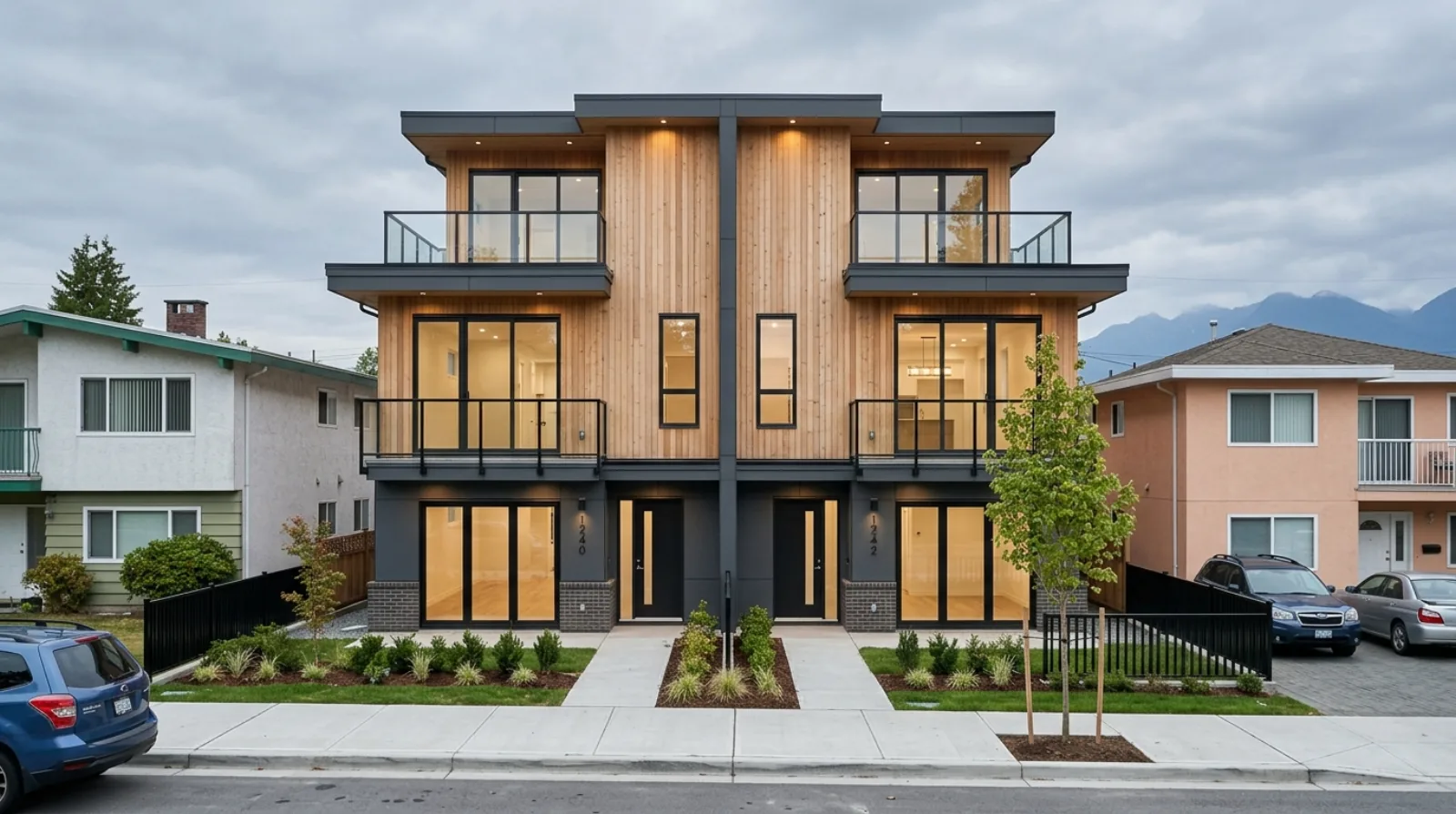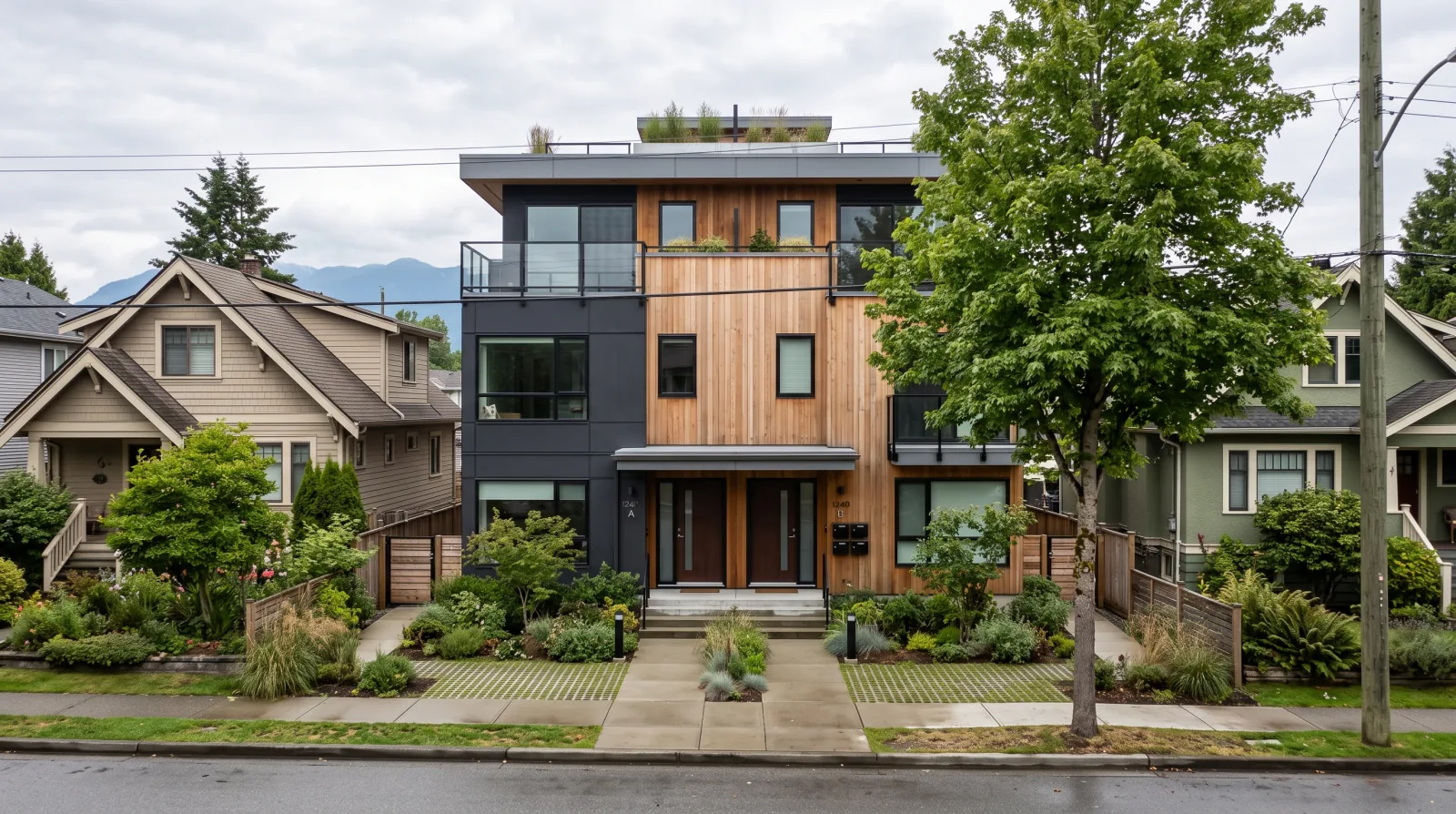
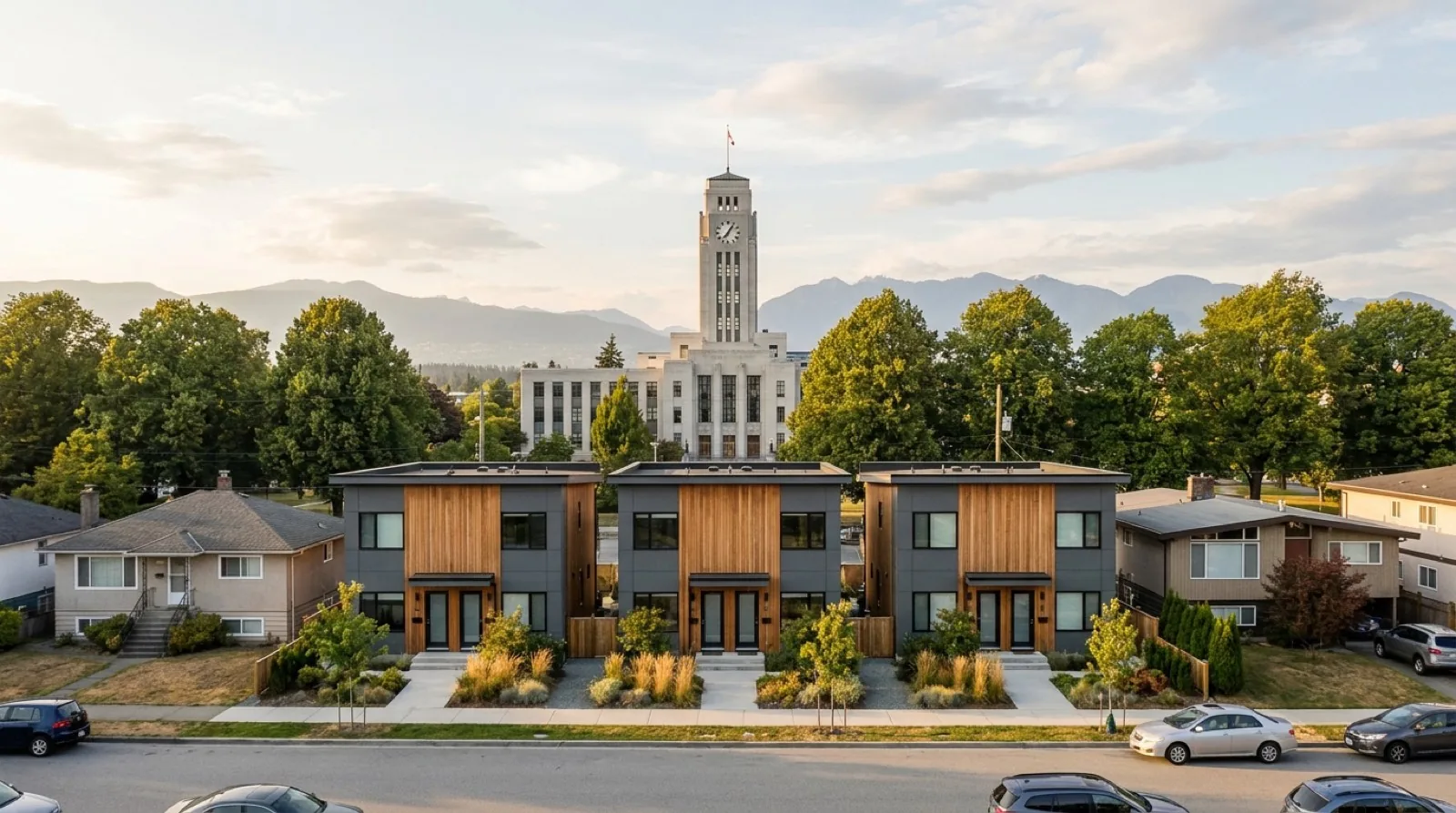
Eight people are on the ballot for mayor of Vancouver on October 17, 2026. We read every one of their platforms with one question: if you own a house lot and want to build three to six homes on it, whose plan makes that easier? One candidate has written a plan for exactly that. One would ask the Province to revisit the housing laws that allow multiplexes. The other six fall in between, and several focus their campaigns on other issues.
This post is by the editorial team at voche.me, a Vancouver election guide that links every campaign promise to its source. It is based on voche.me’s mayoral candidate profiles, checked against each campaign’s own housing page, the City’s records and the news reports behind them. Every quote below comes from a campaign’s own website unless we say otherwise.
Why the mayor matters to your multiplex
Vancouver made multiplexes legal on September 14, 2023. After an eight-hour public hearing, Council voted unanimously to allow three to six homes on most house lots, up to three storeys, and seven or eight if every unit is a secured rental (Daily Hive). The Province followed with Bill 44 that fall, which requires the same kind of zoning in cities across BC.
The zoning is in place. A mayor still controls three things that decide whether your project works:
- How long a permit takes. Every month of waiting is another month of interest on the land.
- What the rules say about height, lot coverage and design. Council opened a review of these on May 20, 2026 through Motion 9, after 600-plus multiplex projects were submitted and 280-plus approved (VanPlex’s breakdown).
- Whether the City pushes the Province to keep Bill 44 or to change it.
So we scored each candidate on those three things. The scores are the voche.me editorial team’s opinion, from the point of view of a homeowner or small builder planning a multiplex. They say nothing about policing, transit, parks or anything else you may care about when you vote.
The scorecard
| Rank | Candidate | Party | The multiplex plan in one line | Score |
|---|---|---|---|---|
| 1 | Pete Fry | Green | Pre-approved designs and faster permits for infill | 8/10 |
| 2 | Ken Sim | ABC Vancouver | Mayor when multiplexes became legal; permits 50% faster | 7/10 |
| 3 | Kareem Allam | Vancouver Liberals | Drop the City’s own building rules, one approvals office | 6/10 |
| 4 | Muhammad Ahmad | Bright Future Vancouver | Permits approved automatically after 21 days | 5/10 |
| 5 | Rebecca Bligh | Vote Vancouver | Voted yes in 2023; 2026 plan is about public land | 4/10 |
| 6 | Amauri Caliman | Independent | ”Modernize zoning”, plus a public housing tracker | 4/10 |
| 7 | Scott Gilbert | Independent | Campaign focuses on health, services and civic participation | 2/10 |
| 8 | Colleen Hardwick | TEAM | Neighbourhood plans; would ask the Province to revisit Bill 44 | 1/10 |
Now the details, in rank order.
1. Pete Fry: the only candidate with a multiplex plan
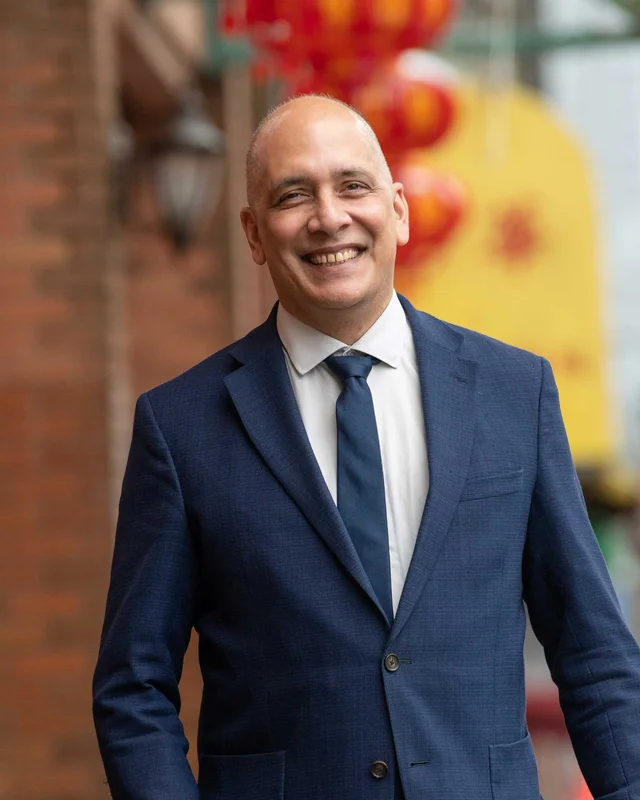
City councillor since 2018
Multiplex score: 8/10
Photo: Pete Fry campaign
The Greens’ housing plan, published September 16, 2026, is the most specific in the race about small buildings. It promises to “launch pre-approved housing designs, including prefabricated options” and to “streamline permitting for low-rise apartments, row homes, townhomes, infill, and wood-frame construction.” It also mentions “updating lot-size and building-form regulations” (Vancouver Greens).
Pre-approved designs matter more than they sound. A multiplex owner today pays an architect to draw a building, then waits while the City checks it. With a design the City has already approved, most of that checking is done before you buy the plans.
His record fits the plan. At the 2023 multiplex vote, Fry voted yes and then said the policy would not deliver enough housing for renters and people on average incomes, and that the City needed to do more (Daily Hive). He voted against the Villages Plan in July 2026 and said his objection was about how the plan was governed (VanPlex’s coverage).
What would raise the score: targets. The plan does not yet list how many designs, what permit time it aims for, or a start date. His voche.me profile asks for the same details.
2. Ken Sim: a record of faster multiplex permits
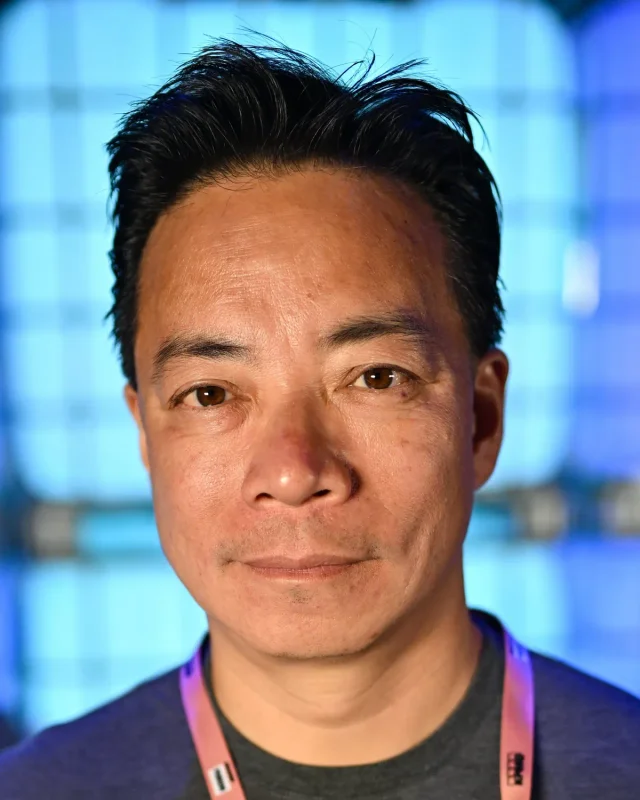
Mayor since 2022
Multiplex score: 7/10
Photo: David Fitzgerald / Collision via Sportsfile, CC BY 2.0
Sim is the only candidate who can point to multiplexes that exist. He was mayor when Council made them legal, and he backed the vote, saying every plan has critics and this one got many things right. On June 9, 2026, the City reported that multiplex permits now take 50% less time through a combined application stream, and that laneway home permits fell from 200 days in 2022 to 100 days in 2025 (Indo-Canadian Voice, reporting the City’s release). The citywide Official Development Plan was adopted on March 31, 2026.
His 2026 platform is broader and covers housing in general terms, with a promise to “make City Hall permitting faster and easier” (ABC platform). It does not mention multiplexes by name.
What would raise the score: a clear position on Motion 9, the review of multiplex height, lot coverage and design that ABC councillors Lenny Zhou and Peter Meiszner brought forward. The motion asks that any changes protect permit times and project viability. The review has not reported yet, and owners planning a multiplex would benefit from knowing how Sim would act on its findings. See his voche.me profile for the full list of 18 commitments.
3. Kareem Allam: lower costs and simpler approvals for builders

Ran ABC’s 2022 campaign, then Sim’s chief of staff
Multiplex score: 6/10
Photo: Vancouver Liberals
Allam managed ABC’s 2022 campaign and then served as Mayor Sim’s chief of staff (Business in Vancouver). He is now the Vancouver Liberals’ candidate.
His housing ideas are about cost and process. The party says “Vancouver is the only city in BC with its own building code” and promises to switch to the provincial one. It also promises to “consolidate the twelve departments that currently approve new housing construction into just one” (Vancouver Liberals). The twelve-department count is the party’s own figure. We have not checked it against the City’s organization chart.
For a multiplex builder, one set of building rules for the whole province means one set of drawings that works in Burnaby, Surrey and Vancouver. That lowers design cost.
What would raise the score: a direct link to multiplexes. His reforms would help small builders, and a section on infill or house lots would show how.
4. Muhammad Ahmad: a 21-day permit guarantee
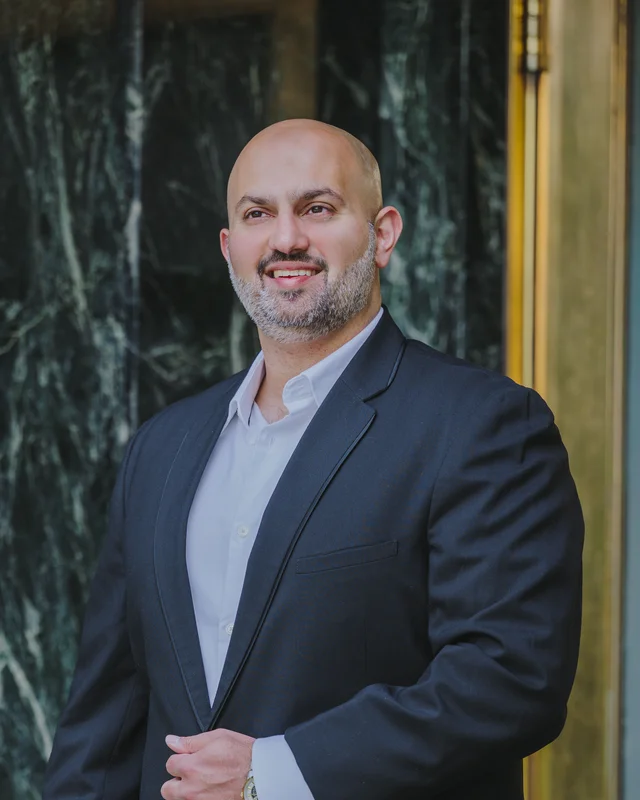
Communications professional
Multiplex score: 5/10
Photo: Bright Future Vancouver
Ahmad’s platform makes the strongest permit commitment in the race: “21 days before permits are automatically granted” (Bright Future Vancouver). If the City has not decided within three weeks, the permit would be issued.
His main housing idea, the Roots Project, puts 20% of each month’s rent into an account the tenant keeps toward buying a home. It targets 2,000 homes “approved or in the pipeline” in a first term, and it requires that “at least 25% of units in eligible new multi-family developments must be real family-sized homes” (Roots Project).
What would raise the score: more detail. The plan does not yet say which permits the 21-day rule would cover or how safety reviews would fit within it. It also does not say whether a sixplex counts as an “eligible new multi-family development.” If it does, the family-size requirement would affect the unit mix on a 33-foot lot. His voche.me profile asks the same questions.
5. Rebecca Bligh: a supportive voting record and a public-land plan
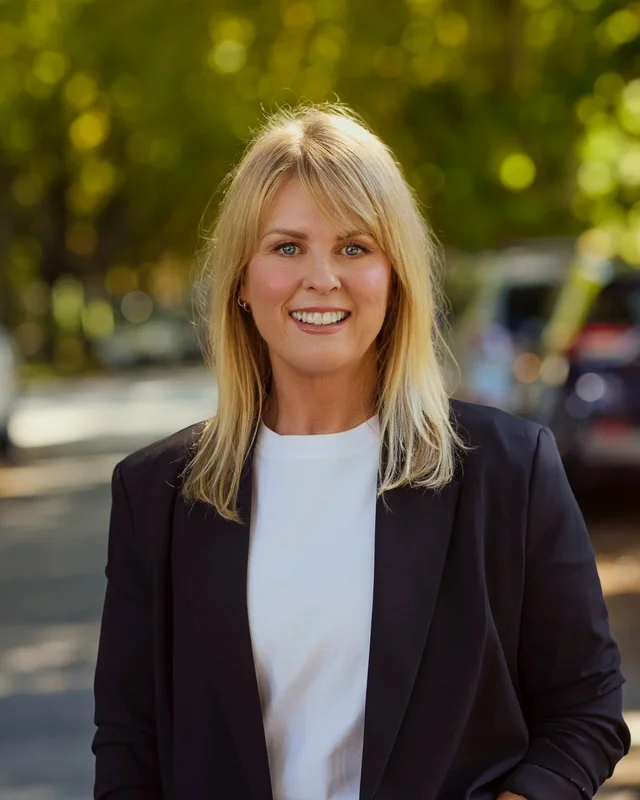
Two-term city councillor
Multiplex score: 4/10
Photo: Vote Vancouver
Bligh sat on the Council that approved multiplexes unanimously in 2023. ABC removed her from its caucus on February 14, 2025, and she later founded Vote Vancouver (CBC). During the Villages Plan debate in July 2026, she suggested the staff work could still feed a smaller pilot.
Her housing page does use the phrase “missing middle,” but she means people: those who “earn too much to qualify for deeply subsidized housing and nowhere near enough to comfortably afford the market.” The plan is co-ops and community housing on public land, homes on land owned by faith groups, and a promise to “get good housing built faster” (Vote Vancouver).
What would raise the score: a proposal for private house lots. Her plan focuses on public and non-profit land, so it has fewer measures for a homeowner planning a fourplex on their own lot.
6. Amauri Caliman: zoning reform and a public housing tracker

No party listed
Multiplex score: 4/10
Photo: candidate image via VoteMate
His positions below come from answers he submitted to the VoteMate election questionnaire. He wants to “modernize zoning to allow more housing choices in appropriate locations,” build “one clear, predictable path through City Hall” for permits, and create “a public Housing Delivery Dashboard tracking homes from application to approval, construction and completion” (VoteMate).
The dashboard is a useful idea. Today, finding out how many multiplex permits are waiting, and where, takes a Council motion.
What would raise the score: a definition of “appropriate locations.” It could mean every house lot, or only lots near transit, and the answer matters to owners.
7. Scott Gilbert: a campaign focused on other priorities

No party listed
Multiplex score: 2/10
Photo: Scott Gilbert personal website
Gilbert’s campaign site proposes more detox beds, a digital avatar and an app for residents to take part in Council business, and lower City costs. Its housing item is a proposal for “low-cost RV housing with toilets, showers, laundry and staff” to address homelessness (campaign site). The site does not yet address multiplexes, zoning or permits.
About the score: his platform does not propose any change to multiplex rules. It scores above last place because it would leave the current rules in place.
8. Colleen Hardwick: a neighbourhood-first approach to growth
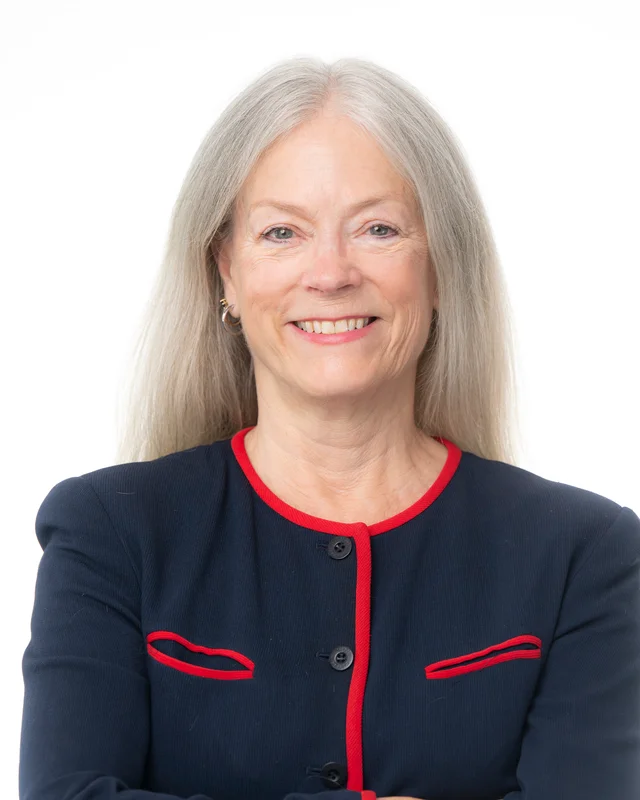
City councillor 2018 to 2022
Multiplex score: 1/10
Photo: TEAM campaign
Hardwick’s plan puts neighbourhoods at the centre of planning decisions. TEAM’s planning platform would replace the Official Development Plan with a “Respect for Neighbourhoods Plan,” “reinstate minimum parking requirements for new buildings,” and ask the provincial government to amend Bills 44, 46 and 47, which TEAM says apply the same approach to every neighbourhood (TEAM).
Those three bills are the base of multiplex zoning in BC. Bill 44 requires cities to allow three to six homes on most house lots. Bill 46 changed how cities charge developers for infrastructure. Bill 47 created the transit-oriented areas. Parking requirements also affect small sites, because each required stall uses lot space that could hold a home (how parking rules affected small multiplexes).
In a May 2026 interview, Hardwick said she supports housing and that her concern is upzoning and the price increases that come with it (Vancity Lookout). Her plan would also “simplify the zoning, development and building permitting processes,” which would help every applicant.
About the score: changes to Bills 44, 46 and 47 are the Province’s decision, and a mayor cannot make them alone. Of the eight plans, TEAM’s is the only one that seeks to revisit the laws multiplex zoning rests on, so it ranks last on this one issue. Voters who value neighbourhood input in planning may weigh it differently.
The verdict
If multiplexes are the deciding issue for you, Pete Fry has the most detailed plan and Ken Sim has the strongest record. Fry is the one candidate who wrote pre-approved designs and infill permits into his platform. Sim was mayor when multiplexes became legal and when permit times fell by half, and the outcome of the Motion 9 review is the open question for his next term.
Allam’s reforms would lower costs for every builder. Ahmad’s 21-day permit is the strongest commitment on speed and needs more detail. Bligh and Caliman offer plans that keep the current multiplex rules in place. Gilbert’s campaign centres on other priorities. Hardwick puts neighbourhood input first and would ask the Province to revisit the laws behind multiplex zoning.
Two more facts for your vote:
- The mayor has one vote out of eleven. Council passes zoning changes, and ten councillors are elected on the same ballot. Check where the council candidates stand as well.
- The rules today are the rules until someone changes them. R1-1 multiplex zoning, Bill 44 and the faster permit stream are all in force now, and they stay in force until a Council or the Province changes them.
Want to see what your lot can hold under those current rules? Run a VanPlex PlexRank screen on your address. It takes two minutes and uses the zoning in force today. Each mayoral candidate’s full profile, with every commitment and its source, is on voche.me.
voche.me and VanPlex do not endorse candidates. This ranking looks at one issue only, from the point of view of a homeowner or builder planning a multiplex. Candidate photos are credited to their sources and used to identify each candidate.
By the voche.me editorial team | Vancouver election guide
Sources (all checked September 22, 2026):
- voche.me, Vancouver 2026 mayoral candidate profiles
- City of Vancouver, 2026 candidates for mayor
- Vancouver Greens, Building the housing we need, September 16, 2026
- ABC Vancouver, 2026 platform
- Vancouver Liberals, Issues
- Bright Future Vancouver, Blueprint and The Roots Project
- Vote Vancouver, Housing
- VoteMate, Amauri Caliman policy answers
- Scott Gilbert campaign site
- TEAM for a Livable Vancouver, Planning for livability and affordability
- Vancity Lookout, Colleen Hardwick interview by Nate Lewis, May 29, 2026
- Daily Hive, Council approves up to eight homes on single-family lots, September 2023
- Indo-Canadian Voice, Multiplex approvals in Vancouver now 50% faster, June 9, 2026
- UBC News, Vancouver mayoral debate advisory, September 2026
- Business in Vancouver, Kareem Allam launches mayoral campaign
- CBC News, Rebecca Bligh removed from ABC caucus