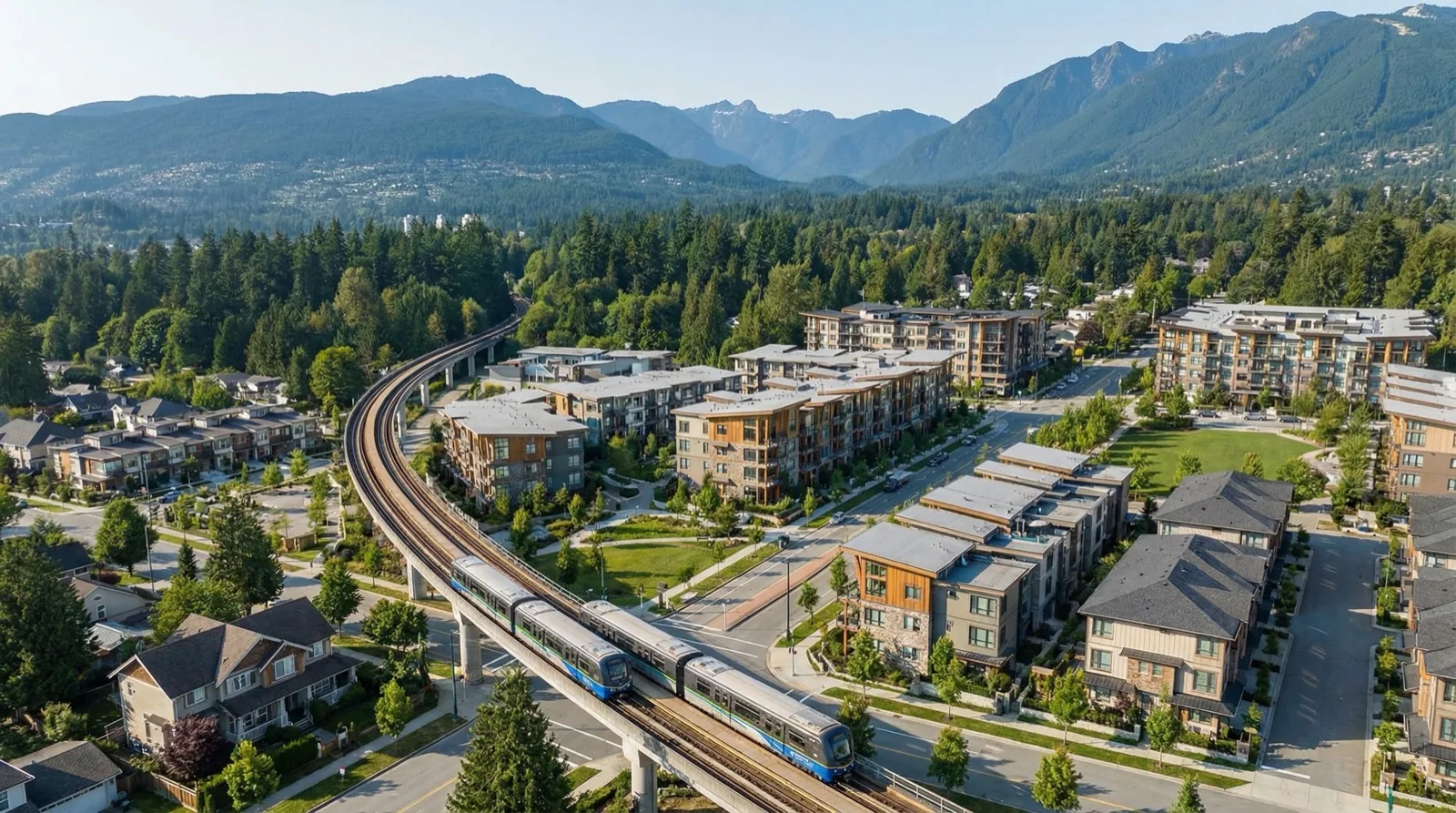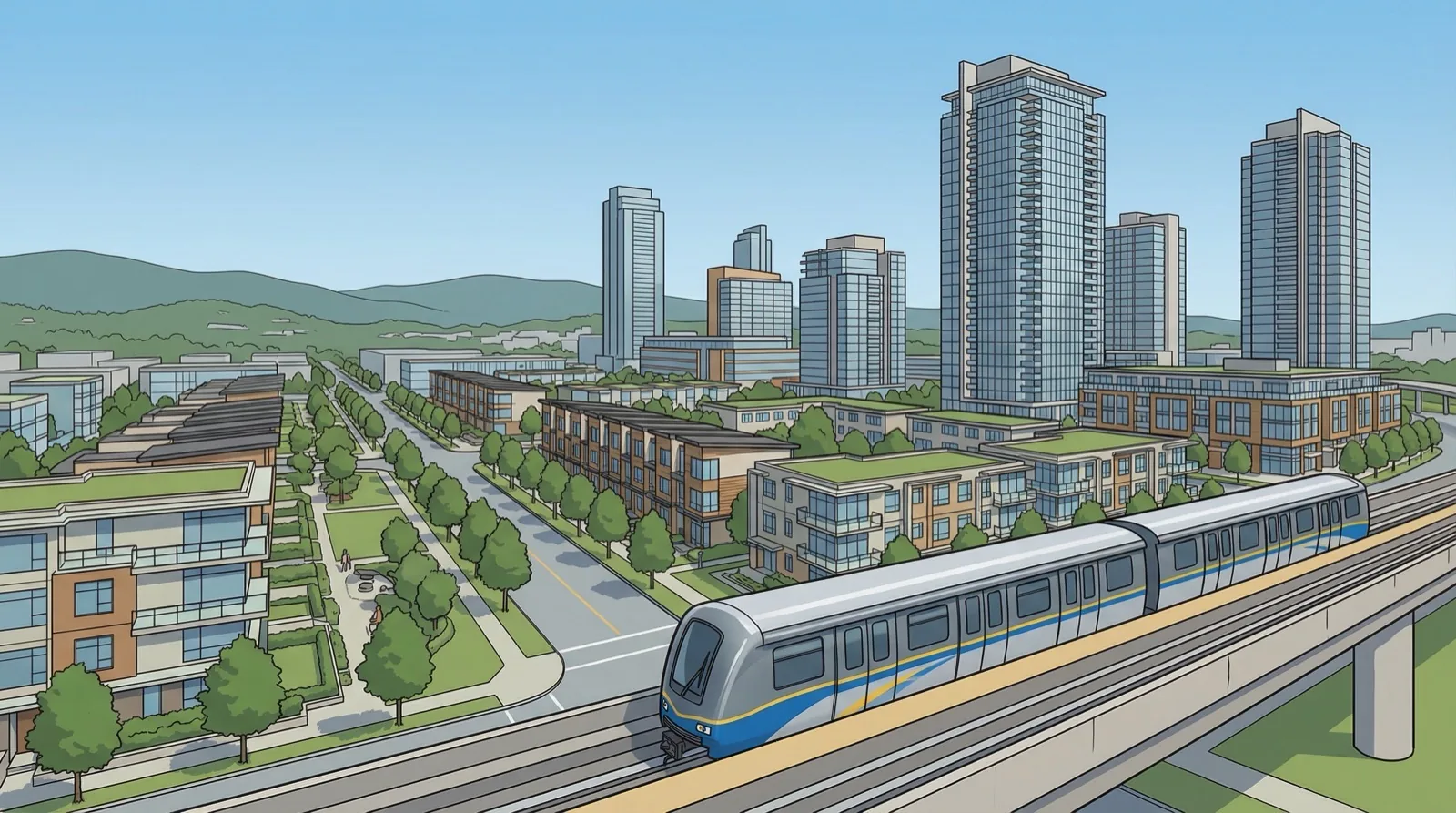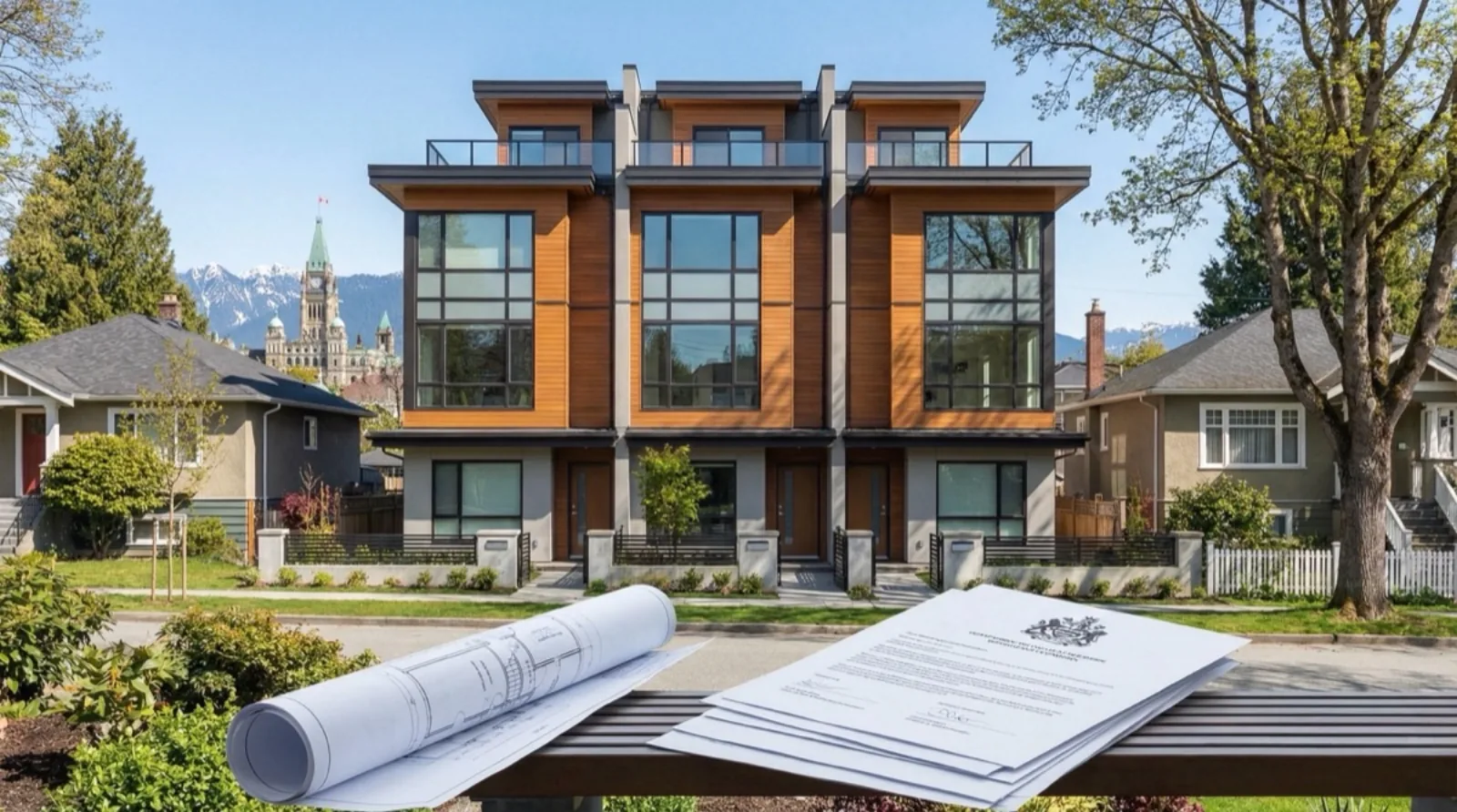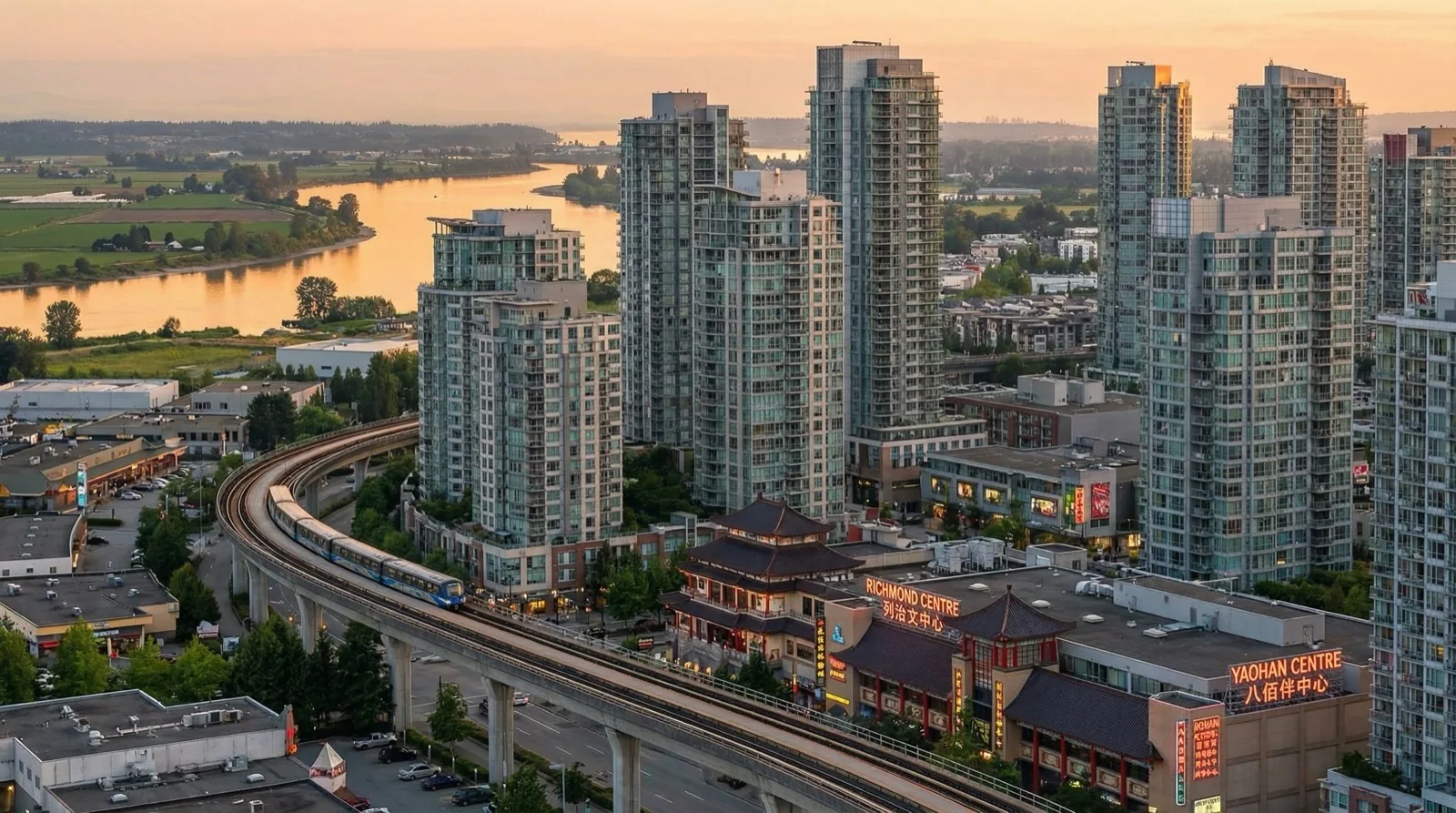

Richmond, with its unique geography and established Asian-Canadian community, represents one of Metro Vancouver’s most interesting SSMUH markets. Here’s where Richmond stands on multiplex zoning and what homeowners should expect as the June 2026 deadline approaches.
Richmond’s Unique Position
Richmond presents distinct characteristics that shape its multiplex opportunity:
| Factor | Richmond Reality | Implication |
|---|---|---|
| Geography | Below sea level in many areas | Flood construction requirements |
| Demographics | High Asian-Canadian population | Strong multigenerational demand |
| Transit | Canada Line running through city | 6-unit zones near stations |
| Land Values | Below Vancouver, above Surrey | Favorable development economics |
| Lot Sizes | Mix of larger and standard lots | Variable unit counts |
The Canada Line Advantage
Richmond’s Canada Line stations create immediate 6-unit eligibility zones under provincial rules:
Stations with 400m Radius 6-Unit Potential:
- Richmond-Brighouse - City centre, highest density potential
- Lansdowne - Shopping centre adjacent, established area
- Aberdeen - Strong commercial district
- Bridgeport - Gateway to Richmond from Vancouver
Properties within 400 metres of these stations will qualify for 6 units on lots over 280m² once Richmond achieves Bill 25 compliance.
Geographic Considerations
Richmond’s location in the Fraser River delta creates unique building requirements:
Flood Construction Level (FCL)
- Buildings must be elevated above flood plain
- Ground floor typically 1.5-2m above grade
- Adds cost but creates design opportunities
- Crawl space can be used for parking/storage
Foundation Requirements
- Deeper foundations often required
- Soil conditions vary across city
- Geotechnical assessment critical
- Cost premium: 5-15% over standard foundation
Sea Level Rise Considerations
- Provincial guidelines increasingly stringent
- Future FCL requirements may increase
- Design for adaptability where possible
The Multigenerational Opportunity
Richmond’s demographics create strong demand for multigenerational housing:
Market Characteristics:
- 54% of Richmond residents identify as Chinese-Canadian
- Strong cultural preference for family proximity
- High percentage of multigenerational households
- Significant wealth in existing single-family homes
Multiplex Appeal:
- Keep extended family close without sharing walls
- Maintain privacy while enabling support
- Build wealth across generations
- Create housing for adult children
This cultural alignment makes Richmond a particularly strong market for multiplex units designed for family occupancy rather than pure investment.
Bill 25 Requirements for Richmond
The Province’s requirements are clear:
Minimum Unit Counts (Must Be Permitted):
- 3 units on lots ≤280 m²
- 4 units on lots >280 m²
- 6 units on lots >280 m² within 400m of Canada Line stations
Height Standards:
- Province recommends 11 metres
- Must accommodate 3-storey construction
- FCL requirements may require additional height allowance
Parking Requirements:
- Zero minimum near frequent transit (Canada Line)
- Reduced requirements elsewhere
- Richmond may maintain some parking requirements outside transit zones
Neighborhood Analysis
City Centre / Brighouse (Highest Potential)
- Direct Canada Line access
- Highest land values
- Maximum density eligibility
- Strong rental and sales demand
Steveston (Heritage Consideration)
- Historic village character
- Larger lots available
- Heritage overlay may affect design
- Strong family market
Garden City Road Corridor
- Established residential
- Variable lot sizes
- Some Canada Line proximity
- Moderate land costs
East Richmond
- Lower land costs
- Larger lots
- Limited transit access
- 4-unit maximum outside transit zones
The Numbers: Richmond Development Economics
Sample Project: 4-Unit Development (Garden City Area)
| Component | Amount |
|---|---|
| Land Value | $2,000,000 |
| Construction (incl. FCL) | $2,100,000 |
| Soft Costs | $300,000 |
| Total Cost | $4,400,000 |
| Unit Sale Price (avg) | $1,300,000 |
| Total Revenue | $5,200,000 |
| Gross Profit | $800,000 |
| ROI | 18% |
Near Canada Line (6-Unit Development)
| Component | Amount |
|---|---|
| Land Value | $2,500,000 |
| Construction (6 units) | $2,700,000 |
| Soft Costs | $380,000 |
| Total Cost | $5,580,000 |
| Unit Sale Price (avg) | $1,200,000 |
| Total Revenue | $7,200,000 |
| Gross Profit | $1,620,000 |
| ROI | 29% |
The 6-unit Canada Line proximity projects significantly outperform 4-unit developments elsewhere in Richmond.
Timeline Expectations
Now - June 2026
- Richmond developing SSMUH-compliant bylaws
- Public engagement on implementation
- Homeowners should analyze properties now
June 30, 2026
- Bill 25 compliance deadline
- All required housing types must be permitted
- Development applications can proceed
Q3 2026 - 2027
- First Richmond multiplex permits
- Market testing of new product type
- Pricing discovery in Richmond context
Strategic Recommendations
For Canada Line-Adjacent Homeowners:
- Your property likely qualifies for 6 units
- Higher density = significantly higher land value
- Priority opportunity—assess feasibility now
For Other Richmond Homeowners:
- 4-unit development likely once bylaws change
- Evaluate lot characteristics (size, FCL, soil)
- Consider multigenerational design for strong local demand
For Investors:
- Focus on Canada Line station proximity
- Account for FCL construction premiums
- Understand multigenerational buyer preferences
- Build relationships with Richmond-experienced teams
The Cultural Factor
Richmond’s multiplex market will likely differ from Vancouver’s in important ways:
Design Preferences:
- Larger units for extended families
- Multigenerational layouts (separate entrances, flex spaces)
- Quality finishes reflecting buyer wealth
- Feng shui considerations in design
Buyer Profile:
- Family buyers more common than investors
- Cash purchases more frequent
- Longer decision timelines
- Relationship-based sales
Marketing Approach:
- Multilingual materials essential
- Community connections matter
- Reputation and referrals critical
- Quality over speed
Your Richmond Action Plan
- Determine transit proximity: Measure distance to nearest Canada Line station
- Understand FCL requirements: Get site-specific flood construction level
- Assess lot characteristics: Size, soil conditions, existing structures
- Model the economics: Include Richmond-specific cost factors
- Connect with local expertise: Richmond has unique market dynamics
Visit vanplex.ca to check your Richmond property’s multiplex potential—including Canada Line proximity analysis and projected returns. See the permits overview for a breakdown of what the Richmond application process involves after zoning compliance takes effect.
VanPlex Team
PlexRank™ | Profit with Multiplex