
BC Hydro Multiplex Approval: What Every Developer Needs to Know (2026 Update)
Updated August 2026 — SSMUH has been in force province-wide since June 30, 2025. The electrical connection requirements, transformer space rules, and cost breakdowns below reflect BC Hydro’s current process for multiplex projects moving through permitting now.
Note: This guide is based on BC Hydro’s official Small-scale, multi-unit housing guide for local governments. All technical requirements and specifications are sourced directly from BC Hydro’s documentation.
Are you planning a multiplex development and wondering how to navigate BC Hydro’s approval process? Provincial legislation has required local governments to allow small-scale multi-unit housing (SSMUH) since June 30, 2025, and understanding BC Hydro’s electrical connection requirements remains critical for developers and builders working through permitting today. For a broader overview of the permit process, see our multiplex permits guide and the VanPlex Interactive Permit Map for live application activity.
The stakes are high: A single oversight in your electrical planning can add 10-18 months to your project timeline and increase costs by up to 1000%. This comprehensive guide reveals BC Hydro’s insider recommendations to streamline your multiplex electrical connections, reduce costs, and accelerate your project approval.
What is Small-Scale Multi-Unit Housing (SSMUH)?
Small-scale multi-unit housing, commonly known as multiplexes, refers to residential developments with 4-6 units depending on lot size and location. Since the June 30, 2025 provincial deadline, local government bylaws across British Columbia have accommodated this housing type, and the permit pipeline it opened is now well underway.
BC Hydro defines SSMUH as a game-changer in addressing B.C.’s housing crisis while requiring strategic electrical planning to connect these developments efficiently and cost-effectively.
The Critical First Step: Early BC Hydro Contact
Why Timing Matters
Before you even think about submitting permit applications, BC Hydro recommends that developers contact them immediately when considering a multiplex project. This early engagement initiates their design team to work on the electrical infrastructure your project will need.
The Hidden Cost of Delayed Contact
Many developers make the costly mistake of designing their entire project before consulting BC Hydro. This approach can lead to:
- Expensive design changes late in the process
- Extended approval timelines
- Incompatible site layouts requiring complete redesigns
- Missed opportunities for cost-saving electrical solutions
Pro Tip: Make BC Hydro contact your second call after deciding to pursue a multiplex project (your first should be to your financial advisor).
Essential Infrastructure Requirements for Your Site Plan
1. Transformer Space Allocation
Every multiplex developer must allocate a dedicated 3.6m x 3.6m space for a potential low-profile transformer installation. This isn’t optional—it’s a mandatory requirement that BC Hydro may need depending on your site’s electrical demands.
The Smart Developer’s Approach: Even if BC Hydro later determines that overhead service is possible, this space can be repurposed for:
- Additional parking spots
- Bicycle storage areas
- Landscaping features
- Utility storage
2. Safety Clearance Requirements
Your project drawings must clearly indicate BC Hydro’s mandatory safety setbacks:
Critical Clearances Include:
- 6-meter setback from building structures to nearest pole-mounted transformer
- Proper clearances from overhead wires and electrical infrastructure
- Access pathways for maintenance and emergency services
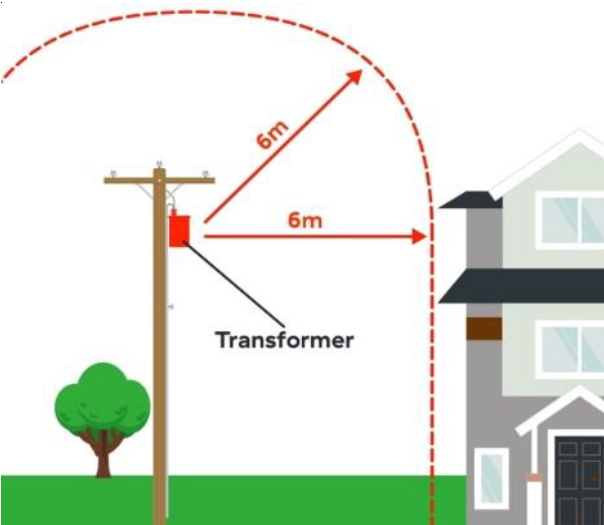 Required safety setbacks and clearances from BC Hydro infrastructure, including 6-meter setback from pole-mounted transformers. Source: BC Hydro SSMUH Guide
Compliance Tip: Reference BC Hydro’s utility clearance requirements guide [PDF, 303 KB] available on their website for exact specifications.
Cost-Saving Strategies Every Developer Should Know
1. Overhead vs. Underground Connections: The 1000% Cost Difference
Here’s the shocking truth: Underground electrical connections can cost up to 10 times more than overhead connections and extend your timeline by 10-18 months.
BC Hydro’s Recommendation: In existing neighborhoods with overhead service, allow BC Hydro the flexibility to connect to existing infrastructure when it’s the most efficient solution.
Case Study Success: The City of Vancouver previously required underground service connections but removed this restriction after BC Hydro demonstrated the time and cost savings. This policy change has streamlined hundreds of multiplex developments.
2. Energy Efficiency Design Strategies
Smart developers incorporate energy efficiency from day one to reduce overall power requirements and building costs:
Proven Strategies:
- Install EV energy management systems to reduce total electrical demand
- Use historical load calculations for existing home renovations (Technical Safety BC approved)
- Implement whole-project optimization using CSA Group’s HVAC guide (CSA SPE-17:23)
3. Utility Separation Optimization
The 300mm Rule: BC Hydro recommends local governments accept the Canadian Standards Association (CSA) standard of 300mm utility separation instead of the costly 1.5-meter requirements some municipalities impose.
Why This Matters: Reduced separation requirements can:
- Simplify trenching operations
- Reduce excavation costs
- Accelerate installation timelines
- Enable more efficient site layouts
Strategic Local Government Collaboration
1. Overhead Connection Advocacy
If your local government has underground-only policies, work with BC Hydro to advocate for overhead connection flexibility. Present the compelling cost and timeline benefits:
Overhead Advantages:
- 90% cost reduction compared to underground
- 10-18 month timeline improvement
- Immediate connection to existing infrastructure
- Reduced environmental impact from excavation
2. Public Property Transformer Placement
In compact multiplex developments, securing transformer space within property lines can be challenging due to:
- Parking requirements
- Protected tree preservation
- Existing easements
- Site constraints
Solution: Work with your local government to allow low-profile transformers on public property (such as boulevards) when private placement isn’t feasible.
Advanced Planning Considerations
Underground Service Requirements
When underground service is necessary due to technical barriers, understand these requirements:
Technical Considerations:
- Low-profile transformer placement near the project site
- Shared utility trenching with municipal services
- CSA-compliant utility separation (300mm minimum)
- Public property backup options for transformer placement
Energy Management Optimization
Historical Load Analysis: For renovation projects adding units to existing homes, utilize MyHydro data to:
- Export historical usage data for accurate load calculations
- Optimize panel upgrade requirements
- Reduce unnecessary electrical infrastructure costs
- Accelerate Technical Safety BC approvals
Timeline and Process Optimization
The Streamlined Approval Process
Phase 1: Pre-Design Consultation
- Contact BC Hydro immediately upon project conception
- Discuss site-specific electrical requirements
- Receive preliminary infrastructure recommendations
Phase 2: Site Plan Integration
- Incorporate 3.6m x 3.6m transformer space
- Mark all required safety clearances
- Design for overhead connection flexibility
Phase 3: Local Government Coordination
- Advocate for overhead connection approval
- Negotiate transformer placement options
- Secure utility separation variance if needed
Phase 4: Final Connection
- Submit connection request through MyHydro
- Coordinate installation timeline
- Complete final inspections
Cost Breakdown: Overhead vs. Underground
Overhead Connection Costs
- Connection Fee: $2,000-$5,000
- Timeline: 2-4 weeks
- Infrastructure: Minimal site disruption
- Maintenance: Standard BC Hydro responsibility
Underground Connection Costs
- Connection Fee: $20,000-$50,000+
- Timeline: 10-18 months
- Infrastructure: Extensive excavation and trenching
- Maintenance: Shared responsibility considerations
The Bottom Line: Overhead connections can save developers $15,000-$45,000 per project while reducing timelines by up to 17 months.
Common Mistakes to Avoid
1. Late BC Hydro Engagement
Mistake: Contacting BC Hydro after completing site design Impact: Costly redesigns and timeline delays Solution: Make BC Hydro consultation your first design step
2. Insufficient Transformer Space Planning
Mistake: Inadequate or inaccessible transformer space allocation Impact: Project redesigns or expensive alternative solutions Solution: Always include the full 3.6m x 3.6m requirement with access
3. Ignoring Local Government Policy
Mistake: Accepting restrictive underground-only requirements Impact: Unnecessary costs and delays Solution: Proactively advocate for overhead connection flexibility
4. Inadequate Safety Clearance Planning
Mistake: Insufficient setbacks from electrical infrastructure Impact: Design rejections and safety compliance issues Solution: Reference BC Hydro’s clearance guide from project start
Resources and Next Steps
Essential BC Hydro Resources
- Connection Request Portal: MyHydro online submission system
- Utility Clearance Guide: Comprehensive safety requirement document
- Local Government Collaboration: Direct consultation at [email protected]
Professional Development Recommendations
- CSA Group HVAC Guide (CSA SPE-17:23): Free resource for optimal home performance
- Technical Safety BC Guidelines: Historical load calculation protocols
- BC Hydro Training Programs: Available for builders and developers
Conclusion: Your Competitive Advantage
Understanding BC Hydro’s multiplex approval process isn’t just about compliance—it’s about gaining a competitive advantage in B.C.’s rapidly expanding multiplex market. Developers who master these requirements can:
- Reduce project costs by up to $45,000
- Accelerate timelines by 12-18 months
- Increase project profitability by 15-25%
- Deliver housing solutions faster to meet market demand
The multiplex development opportunity in British Columbia is unprecedented, but success requires strategic planning and expert utility coordination. By following BC Hydro’s recommendations outlined in this guide, you’ll position your projects for maximum efficiency, profitability, and market impact.
Ready to start your multiplex development? Contact BC Hydro through MyHydro to begin your electrical connection consultation, and consider partnering with experienced multiplex development specialists who understand these complex utility requirements. Our development services team coordinates directly with BC Hydro on every project, and our design guidelines include standard transformer space allocation that meets BC Hydro’s requirements out of the box.
Sources and Credits
This comprehensive guide is based on BC Hydro’s official Small-scale, multi-unit housing guide for local governments. All technical specifications, requirements, and recommendations are sourced directly from BC Hydro’s documentation.
Images and diagrams are courtesy of BC Hydro and used with attribution. Original source: BC Hydro Community Support - Small-Scale Multi-Unit Housing
Additional Resources:
- BC Hydro Connection Requests
- Utility Clearance Requirements Guide (PDF)
- Contact BC Hydro Local Government Support
For personalized multiplex development guidance and BC Hydro coordination support, explore our comprehensive development services and profit analysis tools at Vanplex.