
For Canadians Overseas | Vancouver Property
Vancouver Property for Canadians Living Abroad
You are a Canadian citizen or permanent resident living overseas. You own a Vancouver lot, or you want to buy one and build. This hub answers the two questions that actually matter: are you allowed, and what will it cost you in tax and effort to do it from another country?
The Short Version
- ✓If you are a citizen or permanent resident, the foreign buyer ban does not apply to you, even living abroad.
- ✓Your tax residency, not your citizenship, decides how you are taxed — and being a non-resident triggers extra rules.
- ✓A home left empty can be hit by two separate vacancy taxes: the BC speculation tax and the Vancouver Empty Homes Tax.
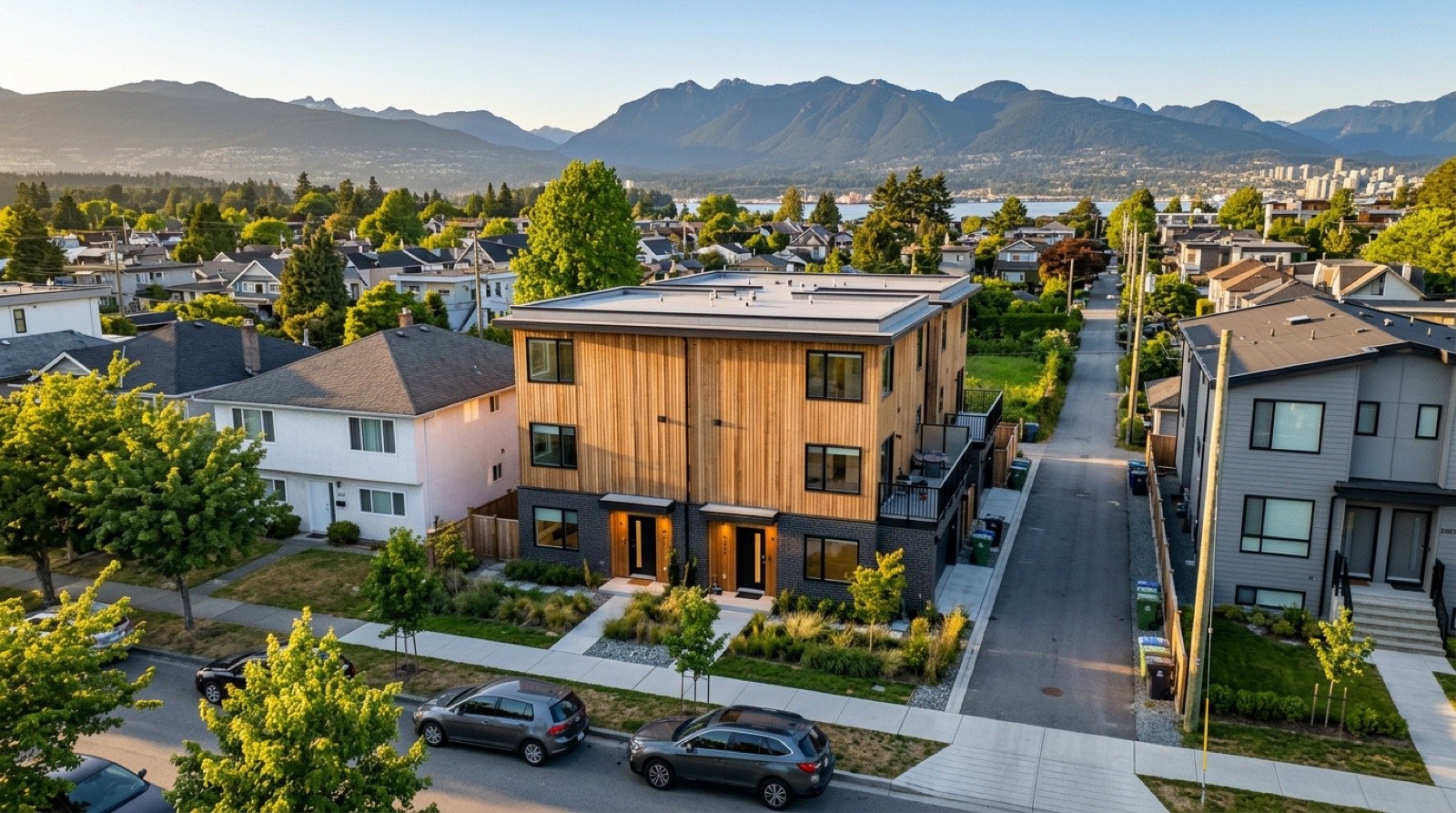
- ✓BC now allows several homes on one lot, so a single expat-owned house can often become multiple rental homes.
Which One Are You?
You already own a Vancouver lot
You inherited the family home, kept it after moving abroad, or hold a lot you have not touched in years. You want to know what it is worth built out — and what you owe.
See the multiplex opportunity →You want to buy and build
You are a citizen or permanent resident living overseas, thinking about buying a Vancouver lot to develop. You need to know if you are even allowed, and how the money works.
Check if you can buy →You are weighing sell vs. develop
You are not sure whether to sell the property, rent it, or build a multiplex. You want the tax picture and the build picture side by side before you decide.
Read the tax guide →The Myth That Stops People
Most Canadians abroad assume the headlines about a "foreign buyer ban" apply to them. They almost never do. Here is the gap between the fear and the fact.
The fear
"I live abroad, so the foreign buyer ban blocks me from buying in Vancouver."
The fact
Canadian citizens and permanent residents are not subject to the ban, no matter where they live. The ban targets non-Canadians, not Canadians who happen to live overseas.
The catch
Being allowed to buy is not the same as buying cheaply. Living abroad changes your tax and financing picture — and that is where this hub does the real work.
Confirmed against the CMHC summary of the Prohibition on the Purchase of Residential Property by Non-Canadians Act.
How To Use This Hub
Confirm you are allowed
Citizens and permanent residents are exempt from the foreign buyer ban. If that is you, the ownership question is settled and you can move on to the money.
Understand the tax that follows you
Living abroad triggers rules residents never see: rental withholding, a clearance certificate when you sell, and two separate vacancy taxes. Knowing them upfront protects your return.
Decide: sell, rent, or build
BC now allows several homes on one lot. For many expat-owned lots, building a multiplex turns a single house into several rental homes — but only if the site and the numbers support it.
Best For
- ✓ Citizens and permanent residents abroad who own a Vancouver lot or are ready to buy one.
- ✓ Owners who want the tax and build picture in plain language before they commit money.
- ✓ People who want a local team to run the build while they stay involved from overseas.
Usually Fails When
- ✕ You are not a Canadian citizen or permanent resident — different rules apply, and the buyer ban may block you.
- ✕ You want a guaranteed return with no operating or construction risk.
- ✕ You expect to manage a full build yourself with no one on the ground in Vancouver.
What To Verify Before Spending Money
- → Your tax residency status with a cross-border tax advisor before you buy, rent, or sell.
- → The exact zoning and unit potential of the specific lot.
- → Whether the lot already triggers the speculation tax or Empty Homes Tax in its current state.
Explore The Hub
Frequently Asked Questions
Can a Canadian citizen living abroad buy property in Vancouver?
What is different about owning Vancouver property if I live abroad?
Is being a citizen abroad the same as being a non-resident for tax?
Can I build a multiplex on a Vancouver lot from another country?
I am a Canadian living in the US, UK, UAE, or Singapore — does this hub apply to me?
Is the information on this hub tax or legal advice?
Explore Related Guides
Zoning Worldwide
Global Multiplex Zoning
How BC's reforms compare to upzoning in Auckland, Japan, California, and beyond.
Hold As Rental
Build-to-Rent Multiplex
If you plan to hold the homes as rentals, this hub covers the financing and operating model.
City Fees & Charges
Development Cost Calculator
Estimate the city charges on a multiplex build before you compare selling versus developing.
Official Sources Referenced
This hub is general information, not tax, legal, or immigration advice. Tax rules and rates change, and your situation may differ from the general case. Confirm anything that affects a real decision with a cross-border tax advisor and a BC-licensed real estate lawyer before you act.
See What Your Vancouver Lot Could Become
Enter a Vancouver-area address to see the multiplex potential before you spend anything on drawings — from wherever you are in the world.