
Victoria’s purpose-built rental vacancy just hit its highest level since 1999. At the same time, rented condos sit at near-zero vacancy and family-sized rentals are scarce. For anyone thinking about a houseplex as a rental hold, those two facts are not a contradiction — they are the whole opportunity.
TL;DR
- The Victoria CMA purpose-built apartment vacancy rate reached 3.3% in October 2025, up from 2.6% a year earlier — the highest since 1999, per CMHC.
- Rented condo vacancy stayed near 0.3% — far tighter — and rented condos cost more than purpose-built units.
- Three-bedroom-plus units command the highest rents, and Victoria’s houseplex rules require a three-bedroom share.
- The City is under a provincial order to permit 4,902 net new homes by 2028.
- For a houseplex held as rental, the case rests on family-sized, ground-oriented product — the scarcest stock — not on assuming the tightest possible market.
What the CMHC data actually says
CMHC’s latest figures put Victoria CMA purpose-built apartment vacancy at 3.3% in October 2025, up from 2.6% the year before. The Province itself noted it as the highest level since 1999. New supply is loosening a market that had been extremely tight.
But the purpose-built number is only half the picture. Rented condo apartments — a big part of how Victoria houses people — sat at roughly 0.3% vacancy, and rented condos cost more than purpose-built units across bedroom types. Family-sized, ground-oriented rental remains genuinely scarce.
Average rents, October 2025
For the Victoria CMA, CMHC reported average purpose-built rents of about $1,349 for a studio, $1,625 for a one-bedroom, $2,120 for a two-bedroom, and $2,886 for three-bedroom-plus, with an all-units average of $1,805. Inside the City of Victoria, three-bedroom-plus units were higher still, around $3,035.
The pattern matters: the larger the unit, the higher the rent — and the scarcer the supply.
Why a houseplex fits the gap
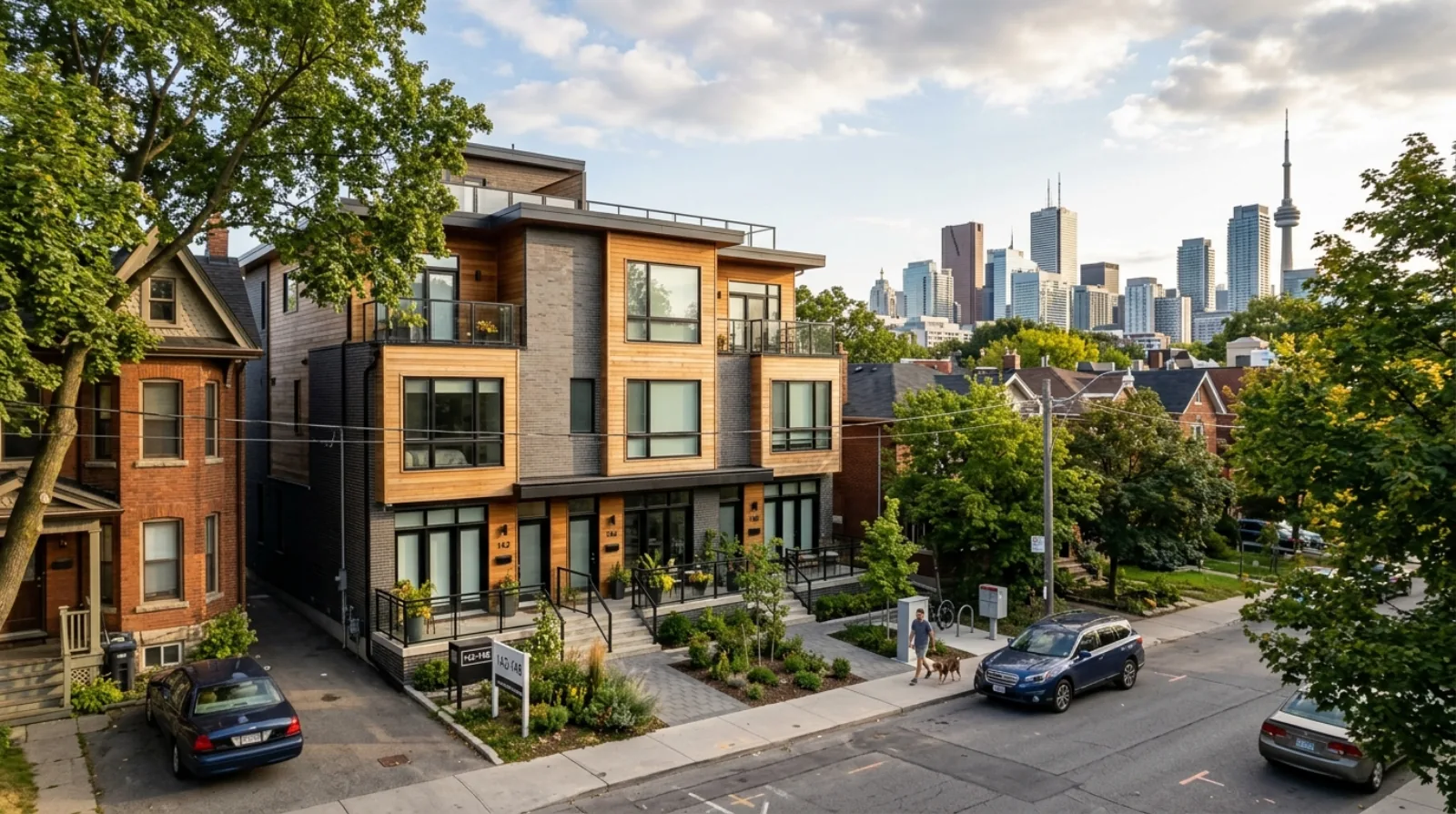
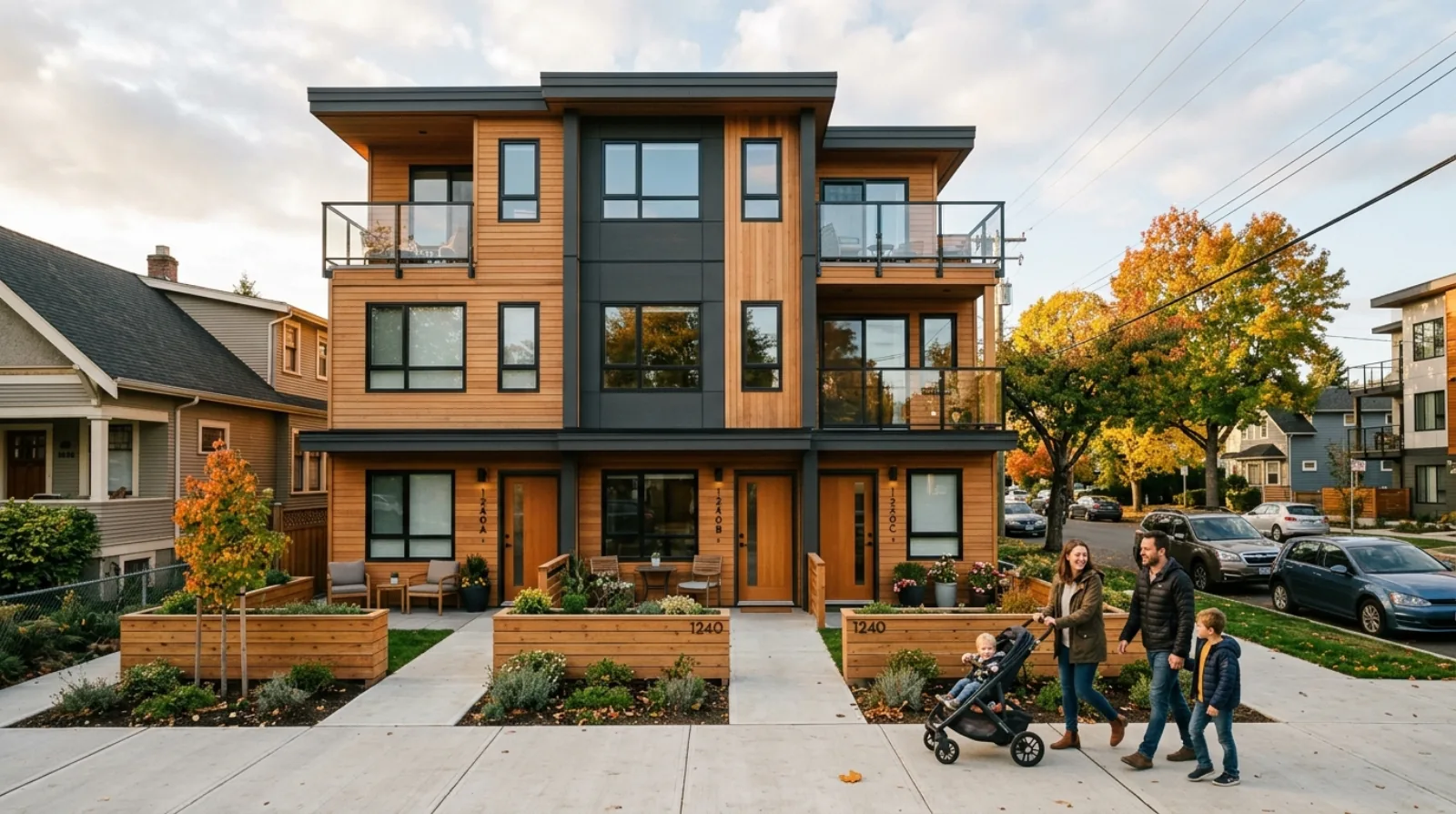
This is where Victoria’s Missing Middle rules and the rental data line up. A houseplex is required to include a share of three-bedroom units — the greater of two units or 30% of the units. That pushes builders toward exactly the family-sized, ground-oriented homes that the market is shortest on and that command the highest rents.
In other words, the product the bylaw mandates is the product the market is missing. For a rental hold, that alignment is the core of the case.
Underwrite to current data, not to 2022
The one mistake to avoid: building a pro forma on the sub-1% vacancy and surging rents of a few years ago. A 3.3% purpose-built vacancy is moderate, not tight. The case for a Victoria houseplex as rental does not rest on assuming the hottest possible market — it rests on product type and location. Family-sized units near transit, in neighbourhoods like Fernwood or Hillside-Quadra, compete in the scarcest part of the market.
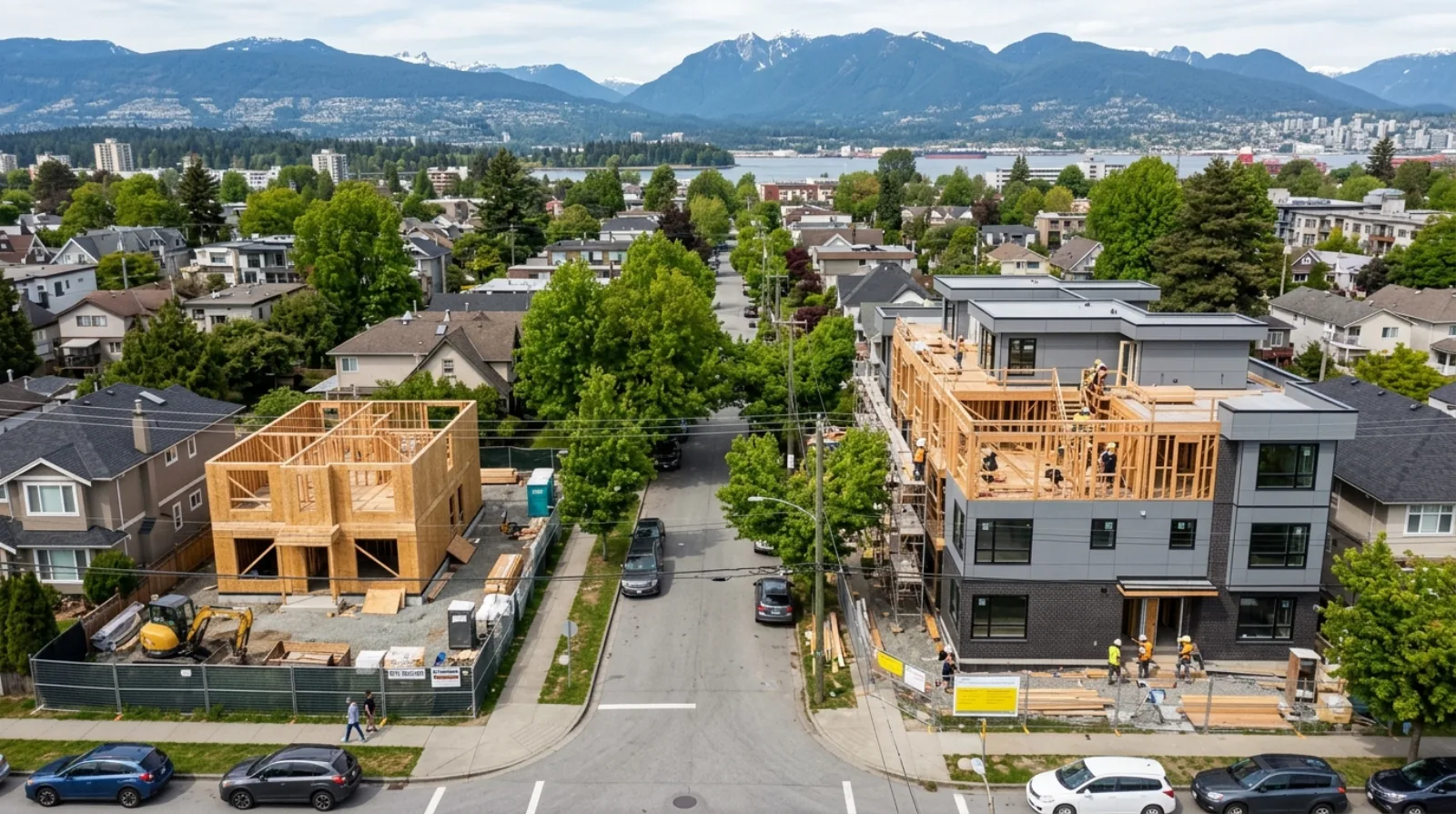
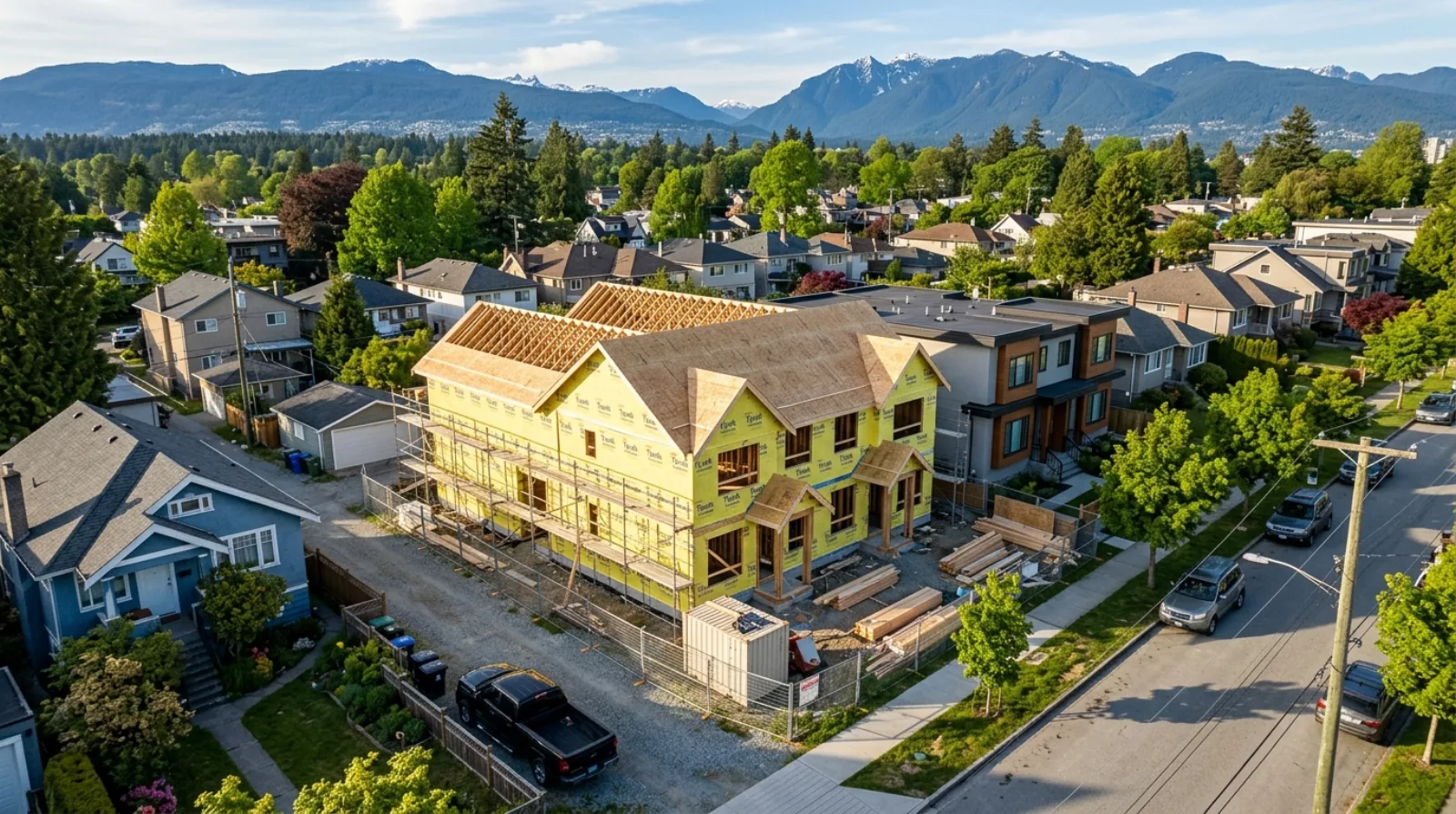
There is also a demand backdrop: Victoria is under a provincial Housing Target Order to permit 4,902 net new homes over five years. The policy direction is firmly toward more supply, and the houseplex is one of the forms meant to deliver it.
What this means for landlords and renters
For a landlord building a houseplex: lean into the three-bedroom requirement rather than treating it as a constraint. The data says that is where the rent and the scarcity are.
For renters: the Missing Middle program is aimed squarely at the kind of ground-oriented family housing that has been hardest to find in Victoria. More houseplexes mean more of exactly that stock. And if a project displaces an existing tenant, Victoria’s tenant protection rules require compensation, moving help, and a right of first refusal.
The bottom line
Victoria’s rental market loosened on the purpose-built side and stayed tight for family-sized, ground-oriented homes. A houseplex held as rental sits in that gap — provided you underwrite to the current CMHC numbers, not the market of three years ago.
See the full rental market page, or start at the Victoria Multiplex hub.