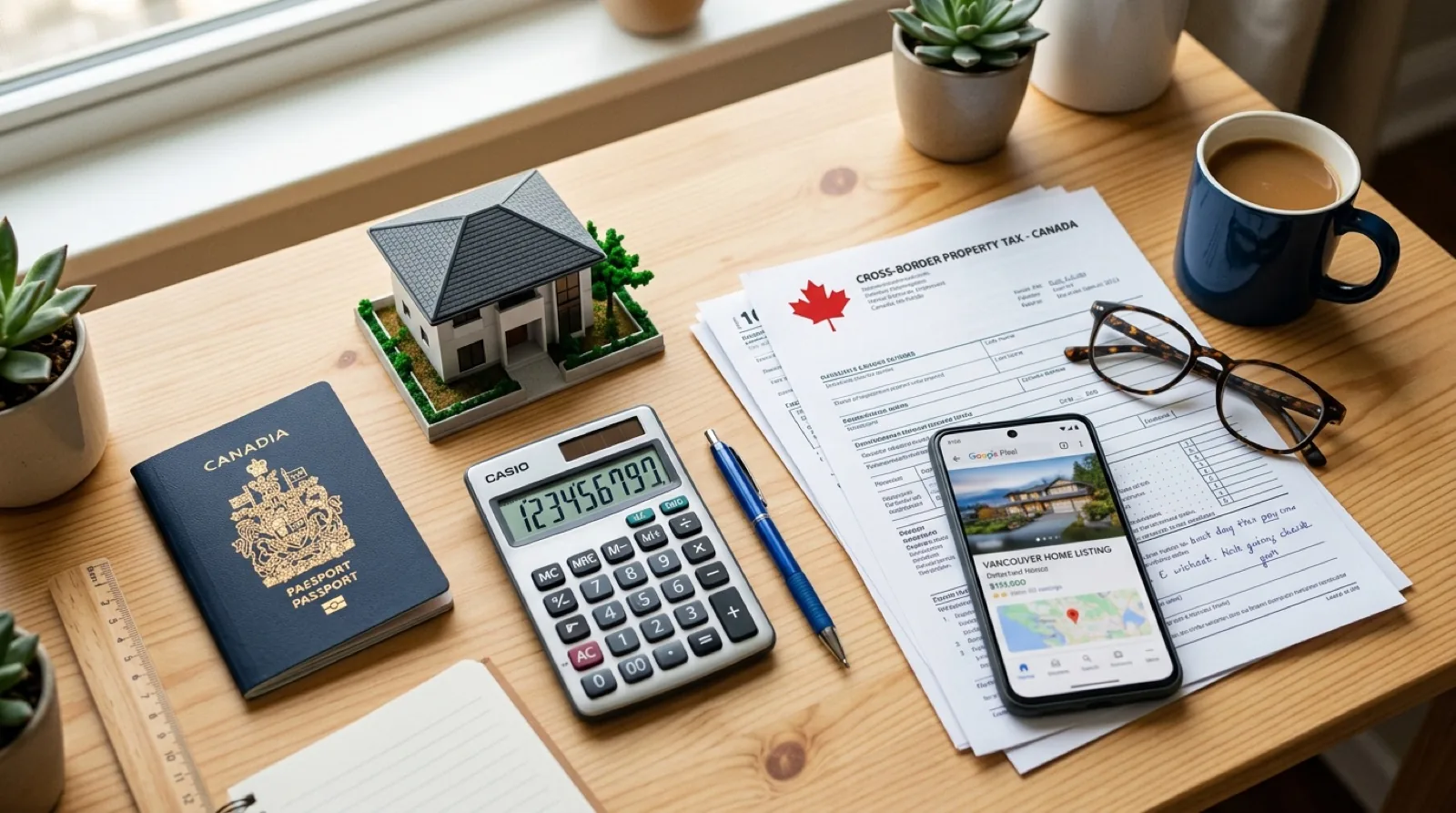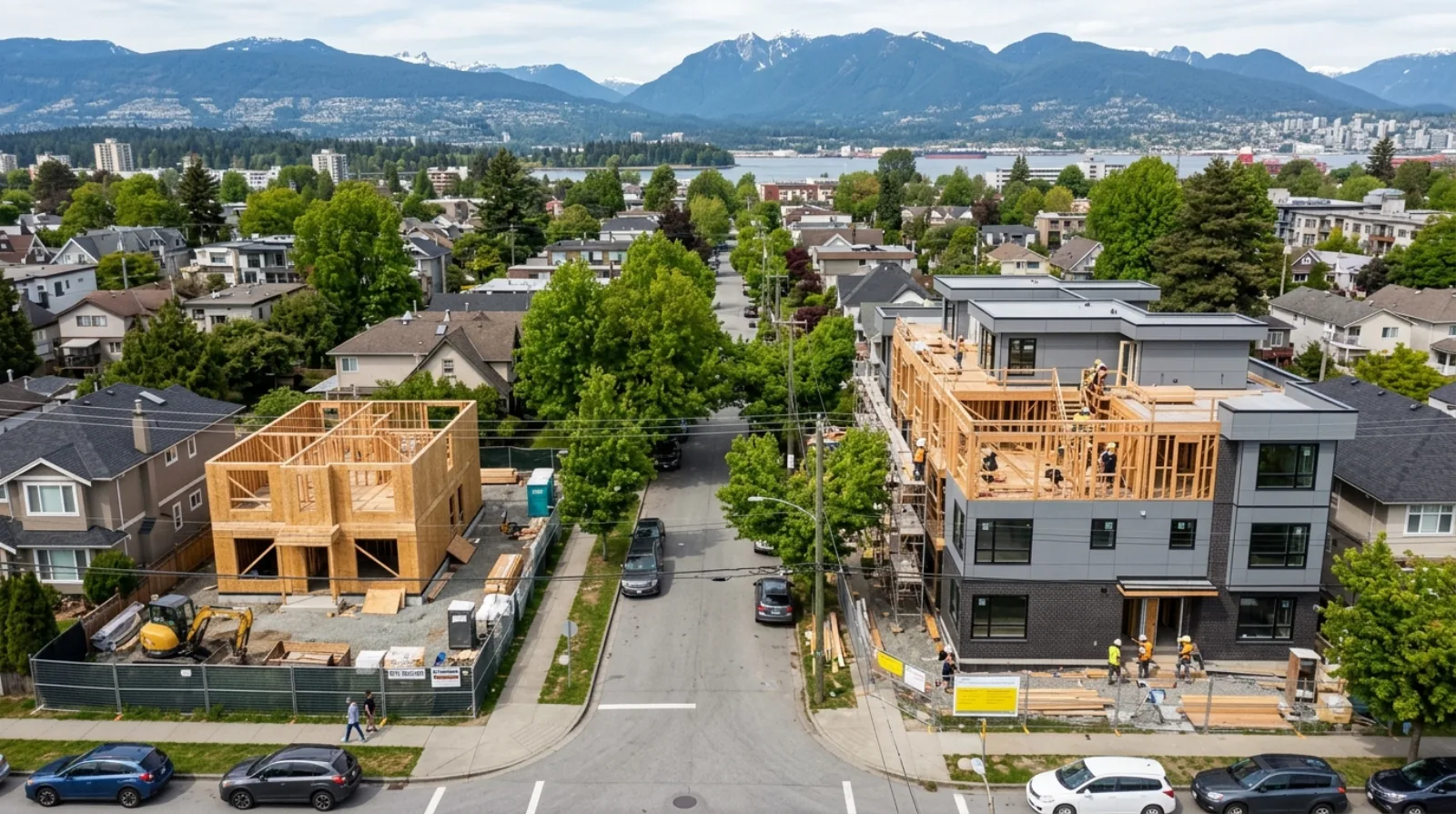
If you are a Canadian living overseas, you have probably read a headline about a “foreign buyer ban” and quietly assumed it shut the door on buying back home. For most expats, it did not. The ban targets non-Canadians. If you are a citizen or a permanent resident, it does not apply to you — no matter which country you fall asleep in tonight.
This post clears up the confusion, then points you to the parts that actually do change when you live abroad: the tax and the money.
The short version
- The federal foreign buyer ban applies to non-Canadians only. Citizens and permanent residents are exempt, even living abroad.
- Where you live does not matter for the ban. A citizen in London has the same right to buy as a citizen in Langley.
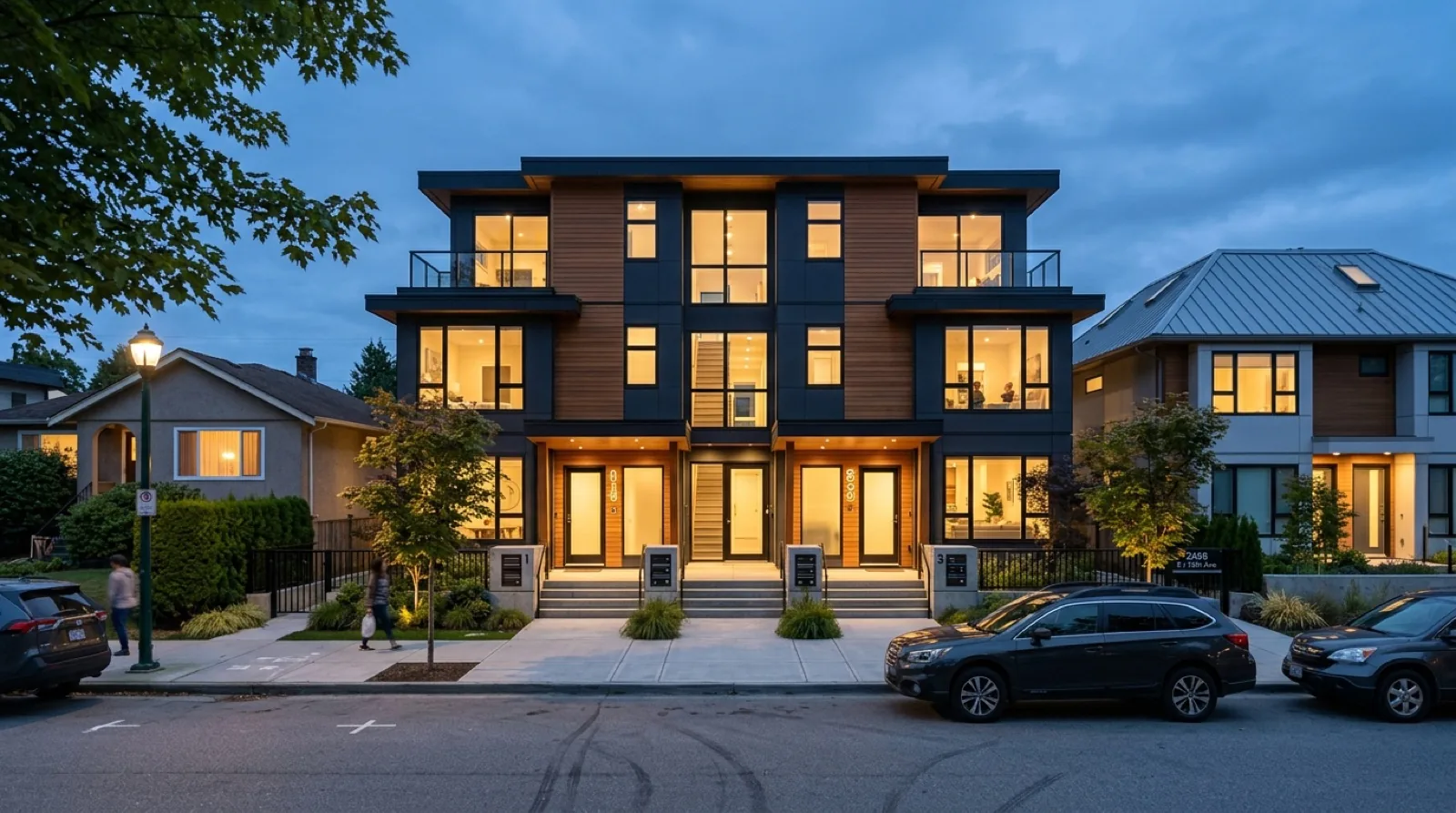
- The ban only covers homes with three or fewer units, so a four-plus-unit multiplex sits outside it entirely.
- Being allowed to buy is not the same as being taxed like a local — that is a separate question, decided by your tax residency.
The ban is about citizenship, not geography
The law is the Prohibition on the Purchase of Residential Property by Non-Canadians Act. It has been in force since the start of 2023 and is currently extended to January 1, 2027.
The word that matters is “non-Canadians.” The Act defines who counts as a non-Canadian and specifically leaves out citizens and permanent residents. So the question is never “do I live in Canada?” It is “am I a citizen or permanent resident?” If yes, the ban is not your problem. The CMHC summary of the Act says the same thing in plainer words.
We wrote a full, plain-English breakdown here: Does the foreign buyer ban apply to Canadians abroad?
Why a multiplex is doubly safe
There is a second reason the ban rarely touches the people we work with. It only covers residential property with three or fewer dwelling units. A building with four or more units is not “residential property” under the Act at all.
So a four-plus-unit multiplex is outside the ban on two counts: you are an exempt buyer, and it is an exempt building type. For an expat thinking about turning a single lot into several rental homes, that is worth knowing. More on that in the BC multiplex opportunity.
The mistake that actually costs money
Here is the trap. People clear the ban, feel relieved, and assume the rest will be just like buying as a resident. It is not.
Two different things are decided by two different rules:
- Citizenship decides the foreign buyer ban. You are exempt.
- Tax residency — where your real home and ties are — decides how you are taxed. A citizen who has genuinely settled abroad is usually a non-resident for tax, which switches on extra rules: a withholding on your rent, and a clearance certificate when you sell.
That tax side is where the real planning happens. We laid it out step by step in the non-resident tax guide.
What to do next
If you are a citizen or permanent resident, stop worrying about the ban and start on the two questions that matter: how you will be taxed, and how you will fund and run the project from abroad. Our hub for Canadians living abroad walks through both, with links to the original government sources on every claim.
This post is general information, not legal, tax, or immigration advice. Confirm your status and any decision with a BC-licensed real estate lawyer and a cross-border tax advisor before you act.